One of our colleagues (who is really crazy about motor sports) currently works on the optimization of a rear wing design for a F1 race car. Basically, he imported the entire car geometry and simply replaced the initial rear wing…
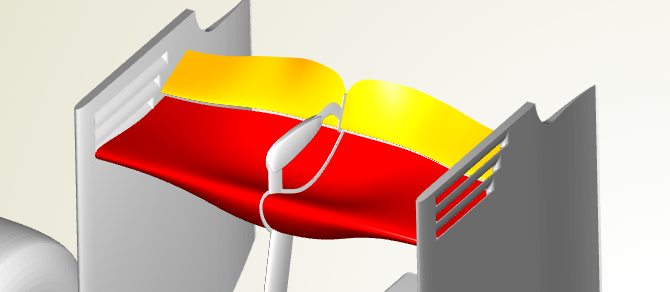

One of our colleagues (who is really crazy about motor sports) currently works on the optimization of a rear wing design for a F1 race car. Basically, he imported the entire car geometry and simply replaced the initial rear wing…
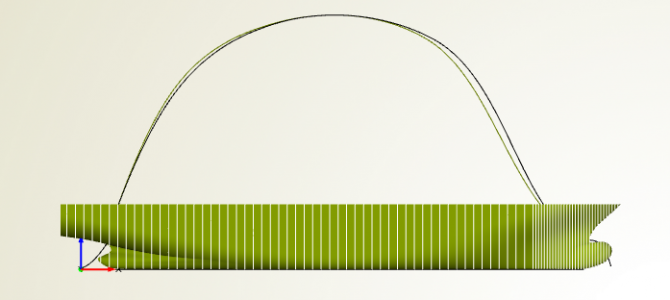
Most of our maritime CAESES® users probably know about this shift transformation for optimization of ship hulls: the Generalized Lackenby. It has been part of CAESES® for many years now, and it helps naval architects to modify an existing (e.g.…
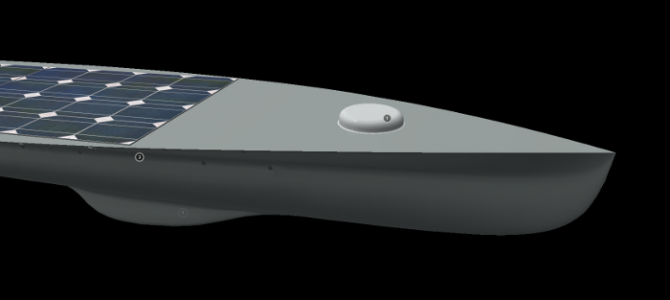
Here is a nice little project of a German engineering team where CAESES® has been involved recently, for the purpose of shape optimization: aXatlantic. This project is about building an ocean going drone, even aiming for a world record for…
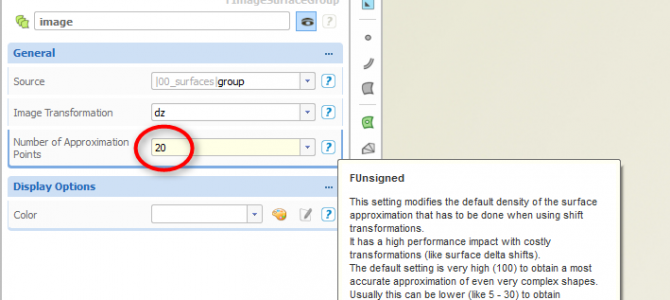
Recently, one of our customers reported a serious issue with the import of large IGES files (~6000 surface patches) in CAESES®. The import was quite slow, and a subsequent shift transformation for optimization purposes almost impossible. After a quick debugging…

In his latest blog post, one of our developers has just revealed an amazing little Christmas gift for all our CAESES® users: A summary of “Effective Feature Programming”. It’s a great read for improving your Feature Definitions in CAESES®, while…
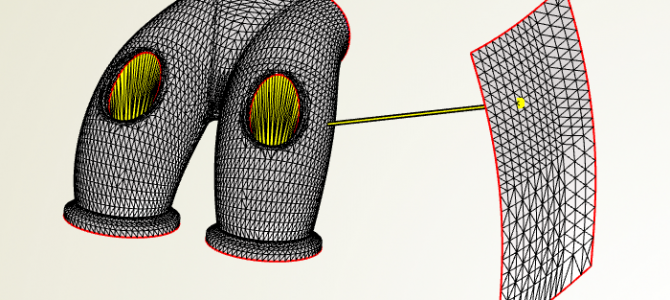
Some of our customers use CAESES® for shape optimization of existing geometries, we sometimes refer to it as a partially parametric approach. Typically, a geometry gets imported into CAESES®, using one of the various STL formats. The geometry is then…
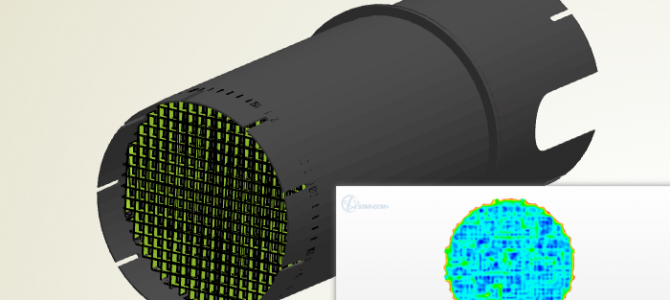
FRIENDSHIP SYSTEMS regularly watches out for interesting design challenges on which to check CAESES® for bugs and missing functionality. Last week one of our IT guys stumbled across an interesting device to improve emissions as introduced by VW. After watching…
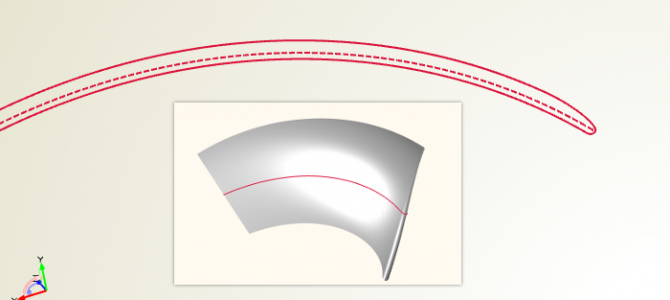
In one of our recent customer projects we needed to design a parametric impeller for a CFD-based optimization. The shape of the leading edge had to be asymmetric, which – so far – had not been smoothly supported by CAESES®…
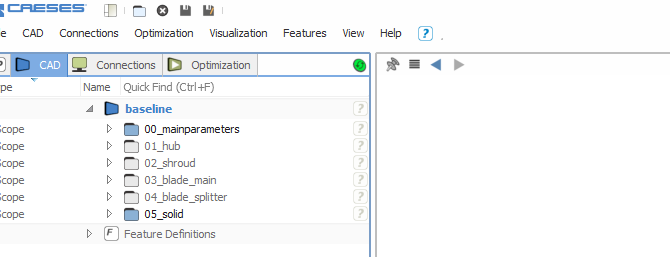
When you start working with CAESES®, you will notice that the project with all its objects can get quite messy after a while. Typically, you create scopes (in CAESES®, these are some kind of directories) to organize things a bit…

With CAESES® 4.0, there is a lot of new and cool stuff for turbomachinery blade design. This post will give you a brief introduction into the fully-parametric design of an impeller blade, as you can typically find them in turbochargers…