Energy
Design and optimization of energy systems
Accelerate the design and optimization of renewable and green energy systems while maximizing efficiency, power output, and reliability.
10,000+
Performance variants
100%
Workflow automation
Hours
Instead of days
Trusted by 150+ organizations in over 30 countries around the world
CAESES design capabilities for energy applications
Model & morph
Create fully parametric turbine, penstock, or floating foundation geometries – or rapidly modify imported geometries using advanced morphing techniques.
Vary & constrain
Generate robust design variations with minimal failures while automatically respecting manufacturing or structural constraints.
Export & connect
Export geometries in multiple CFD-ready formats and seamlessly connect CAESES with external simulation and calculation tools.
Optimize
Explore and improve designs using integrated DoE, optimization algorithms, data management, and post-processing capabilities.
Integrate
Automate and customize workflows through full scripting support and easy integration with third-party optimizers and tools.
Insight
Leverage advanced analytics and machine learning to uncover trends, accelerate learning, and make data-driven design decisions.
Typical energy applications
Wind energy
-
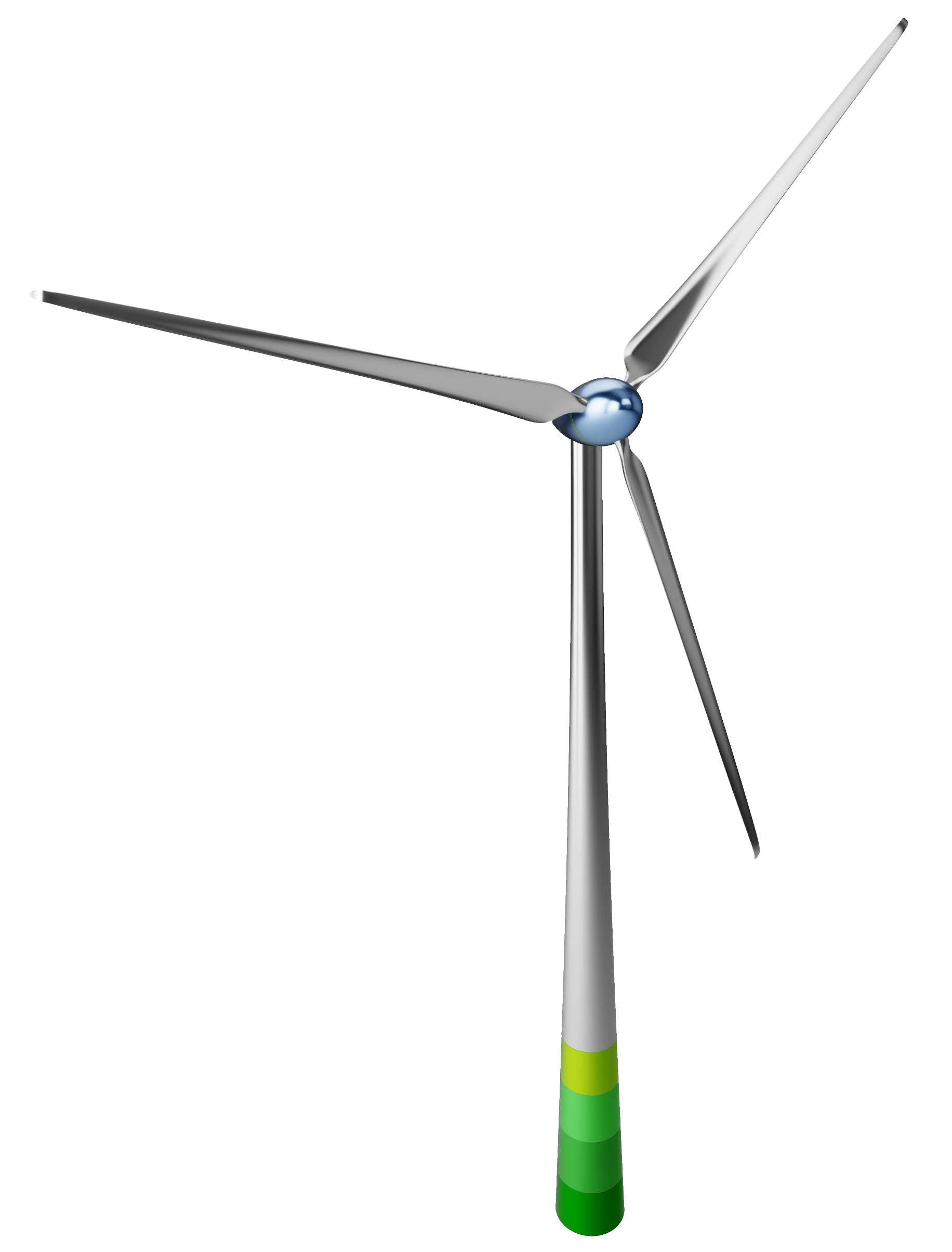
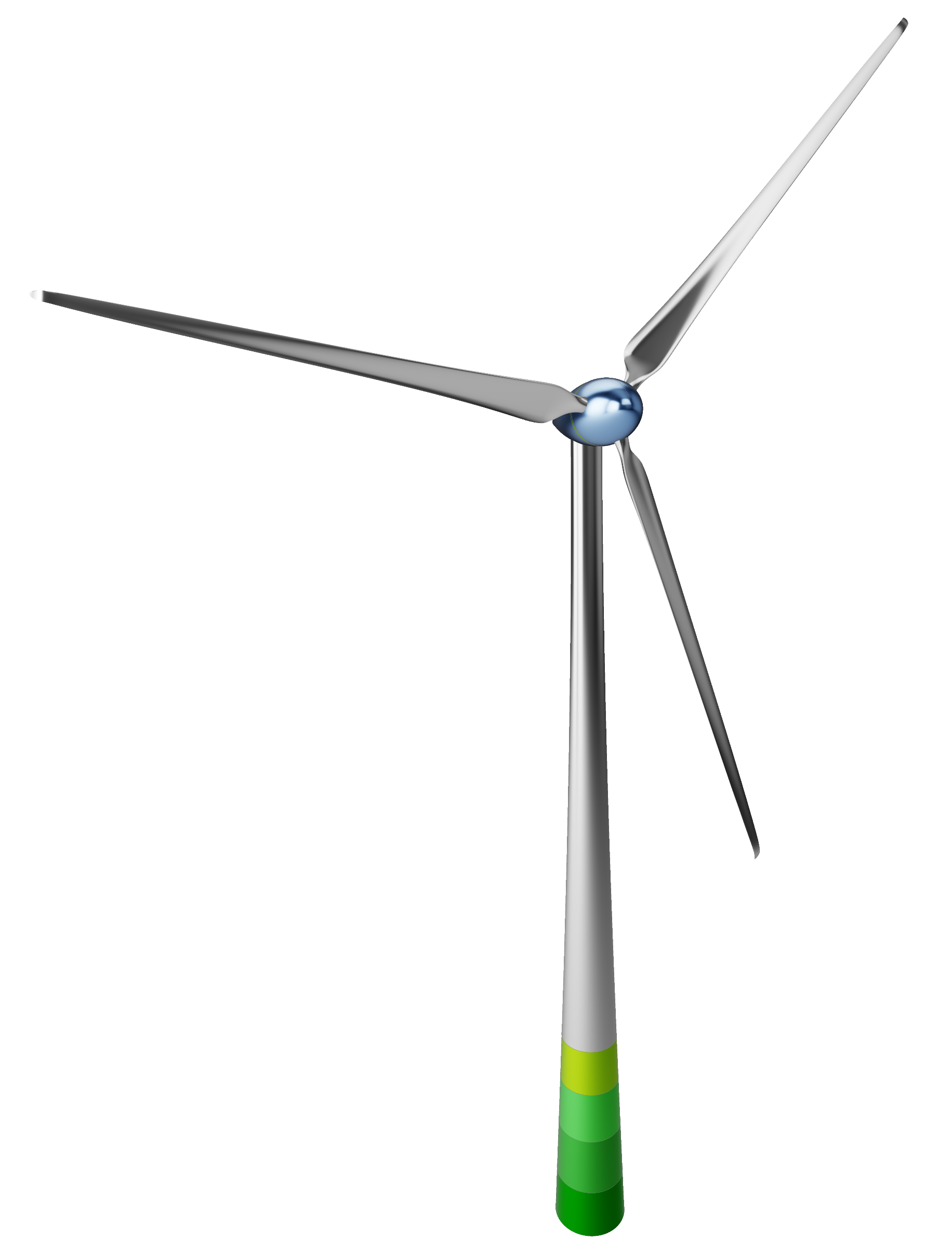
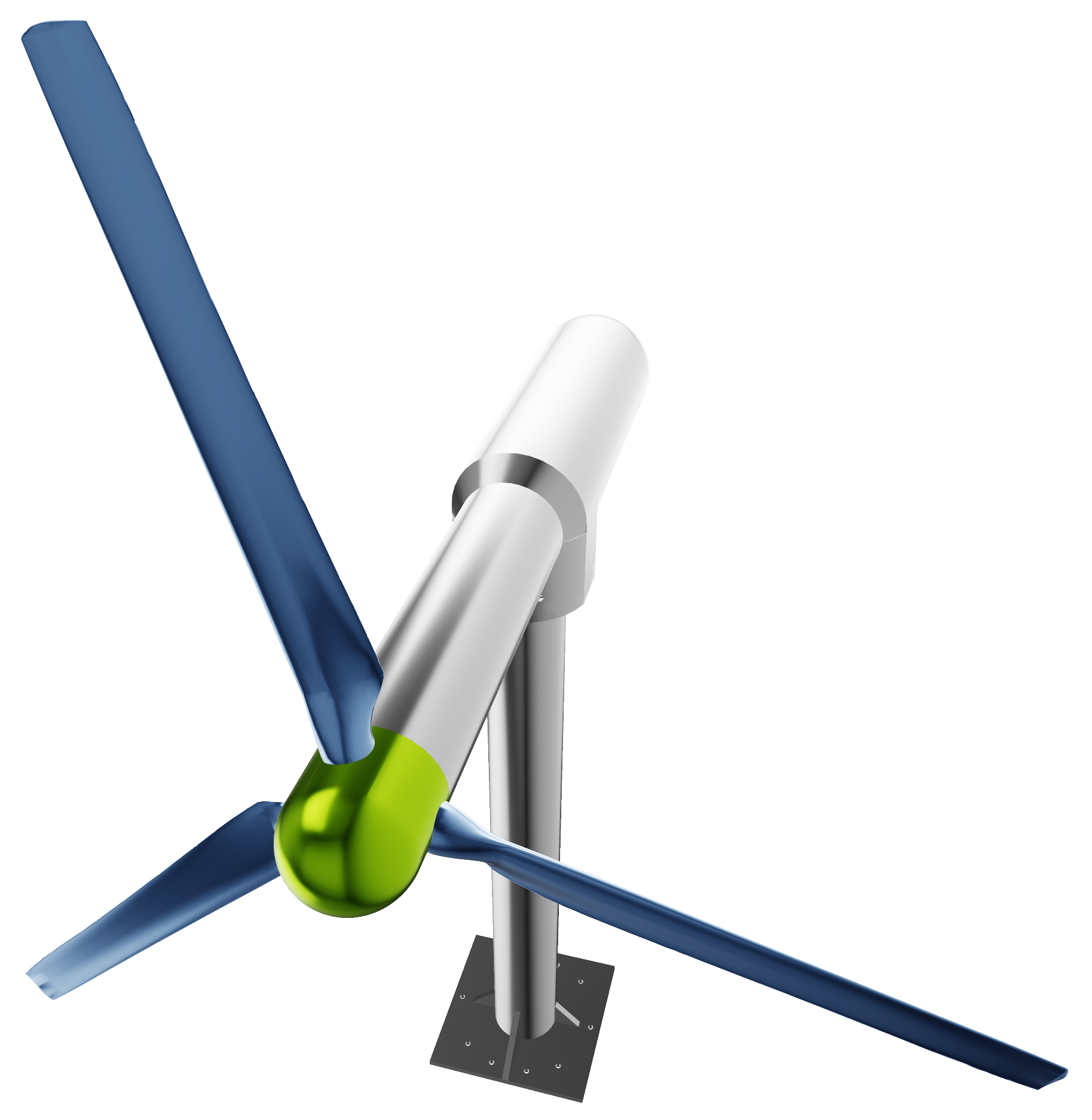
Onshore wind turbine
-
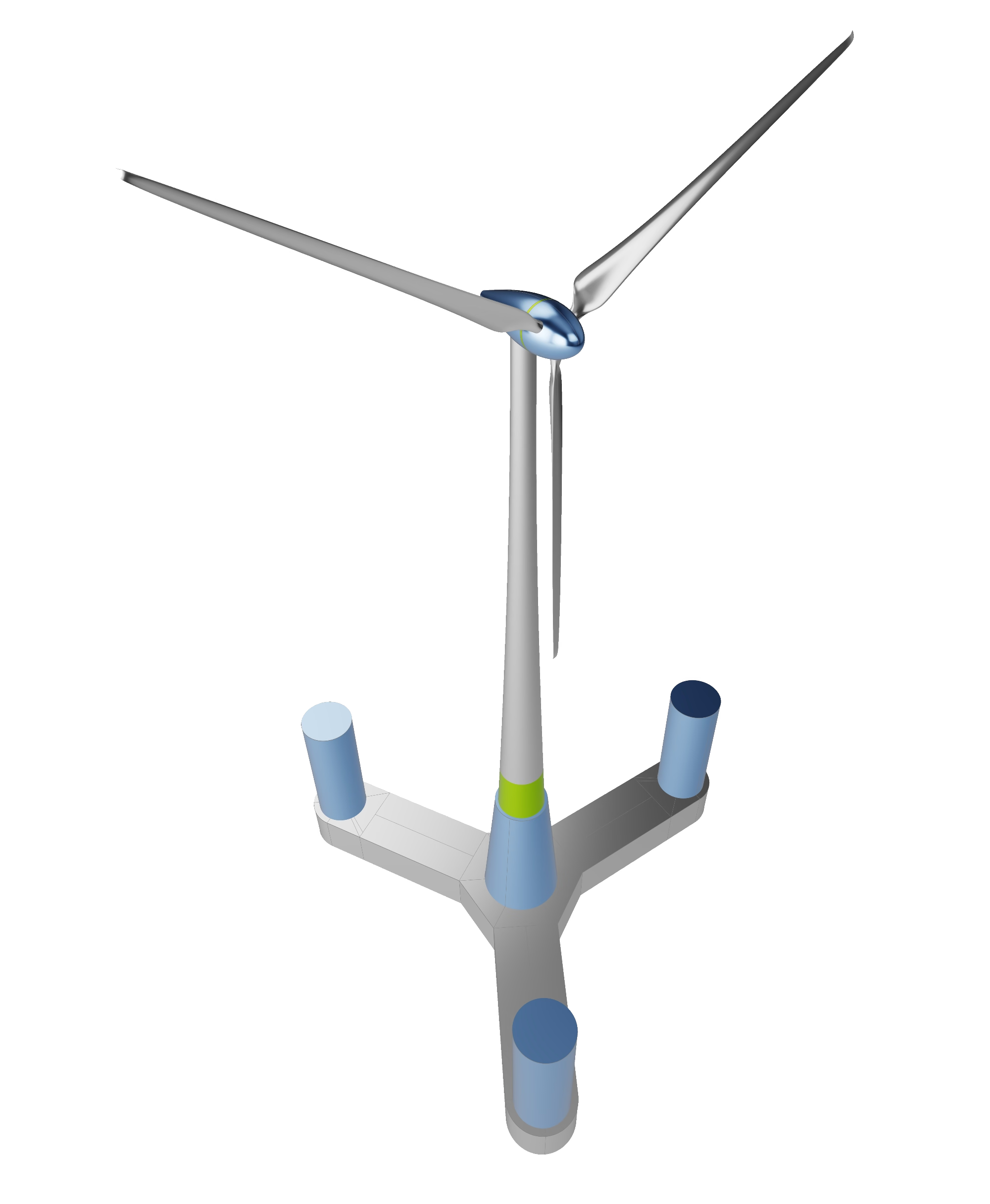
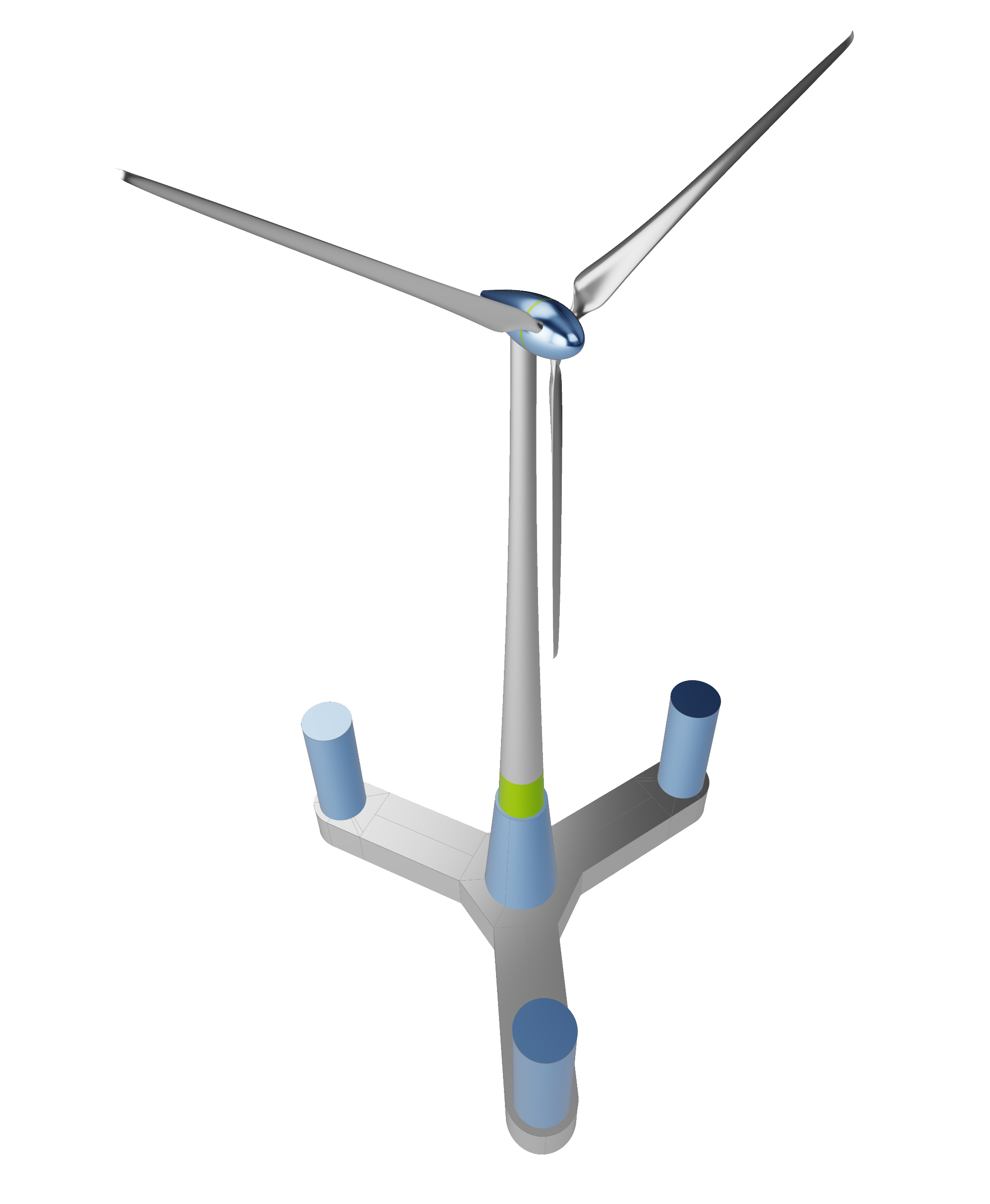
Offshore wind turbine
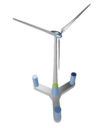
Hydropower and tidal stream energy
-
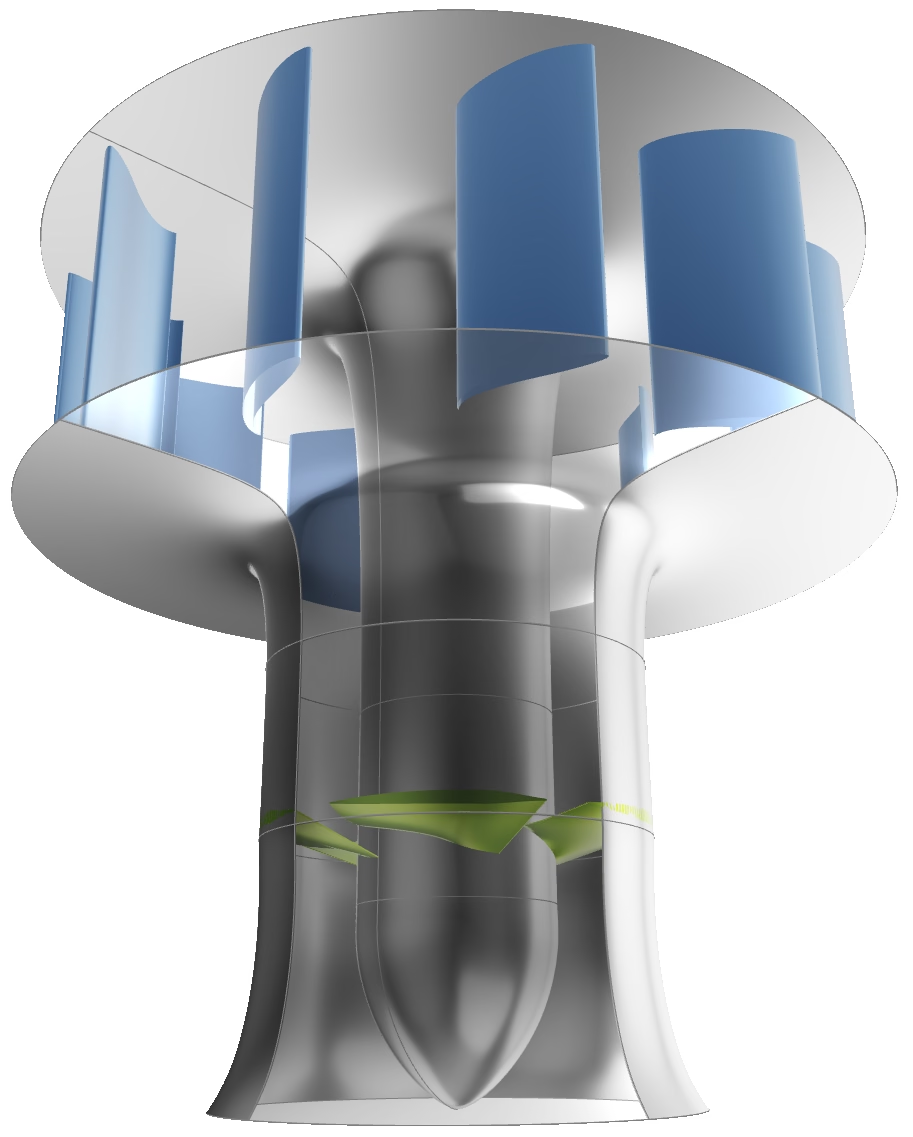
Kaplan turbine
-
Tidal stream turbine
-
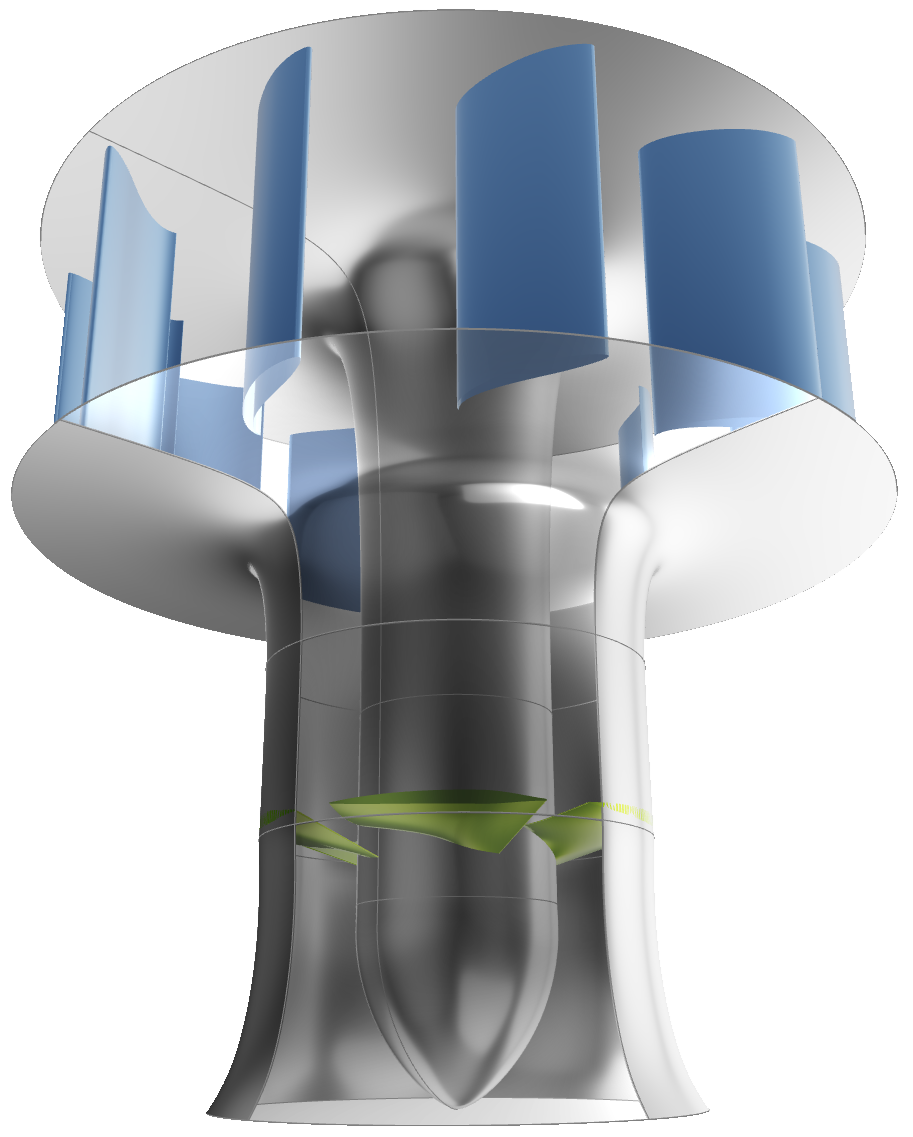
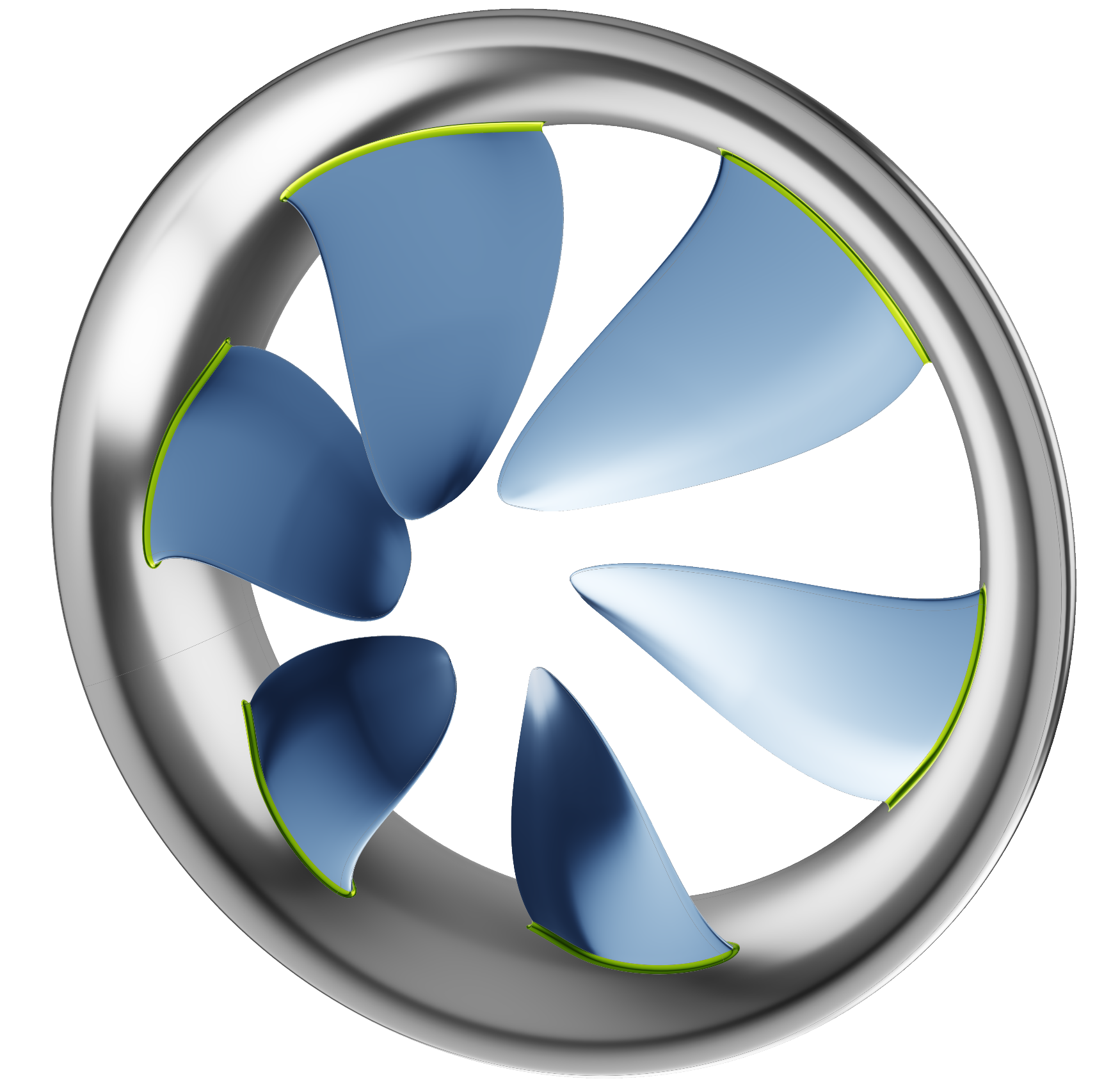
Hubless tidal stream turbine
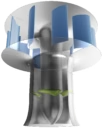
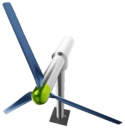
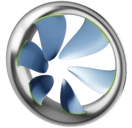
Gas turbines
See details-
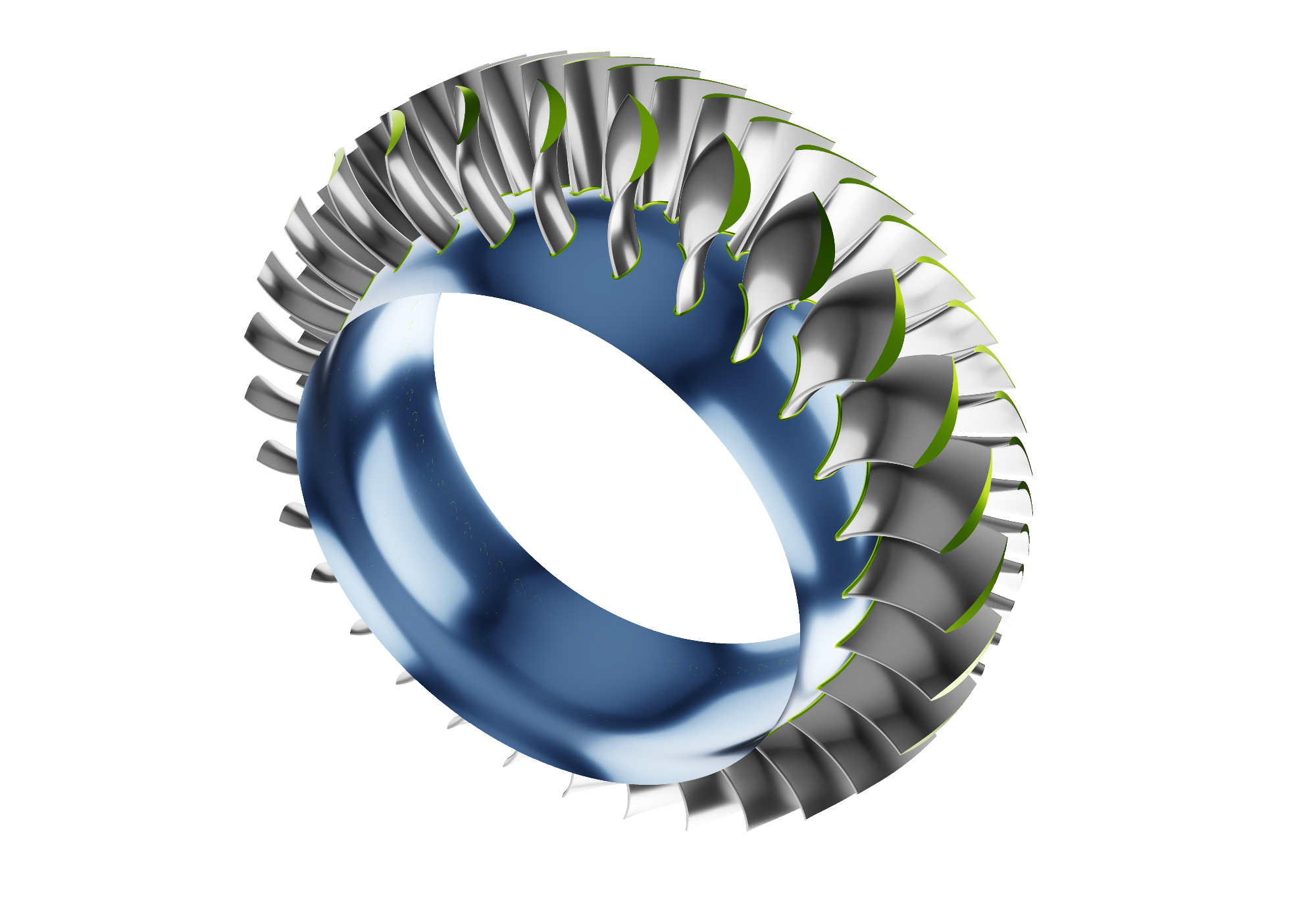
Gas turbine stage
More applications
- Thermal management of photovoltaic and concentrating solar power systems
- Biogas plants
- Wave energy converters
- Geothermal power systems
Would you like to discuss your application with us?
Contact usFAQs
What energy applications can benefit from CAESES?
CAESES is used for the optimization of wind turbine blades, hydro turbines, pumps, heat exchangers, hydrogen components, and many other systems where geometry directly affects efficiency.
Can CAESES support renewable energy development?
Yes. Engineers use CAESES to optimize components for wind, hydroelectric, hydrogen, and marine energy applications through automated simulation workflows.
How does simulation-driven optimization improve energy systems?
By evaluating many more design alternatives than manual engineering methods, data- and simulation-driven optimization helps increase efficiency, reduce losses, and shorten product development cycles.