Starting a new engineering project should be exciting. But for many engineers, the first days, or even weeks, are spent rebuilding models, recreating workflows, and rediscovering solutions that already exist.
Whether you’re part of a large team, a small firm, or even working solo, this problem is the same: valuable time is wasted, mistakes are repeated, and the opportunity to explore better solutions is lost.
This isn’t a matter of skill, but rather how the engineering work is structured.
Even individual engineers feel the drag. Working from scratch on every project can be frustrating, inefficient, and demotivating. And when multiple engineers or teams are involved, the problem compounds, slowing down progress and innovation across the board.
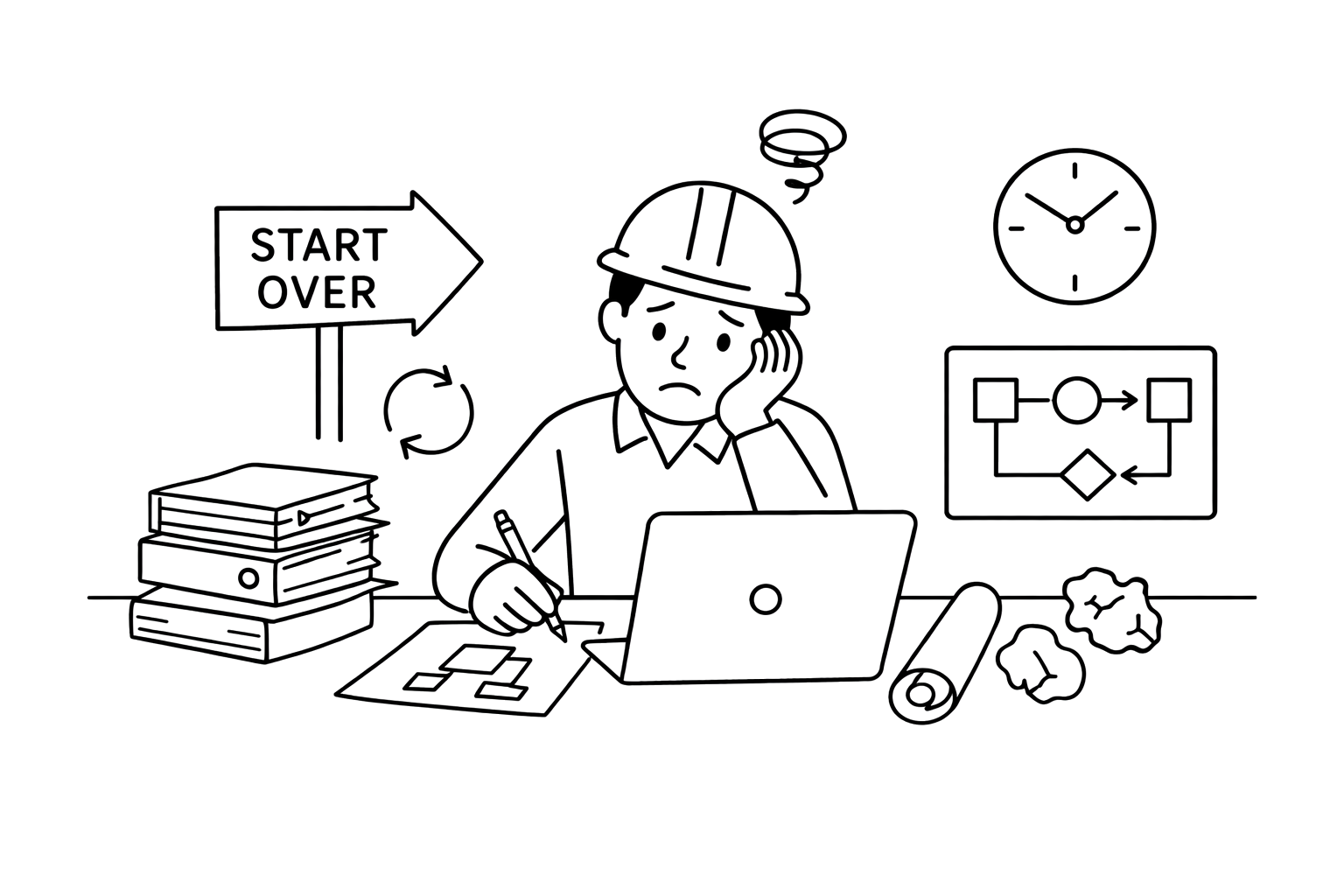
Why Starting from Scratch Holds Engineers Back
Rebuilding every project from zero comes with costs that affect both individual engineers and teams:
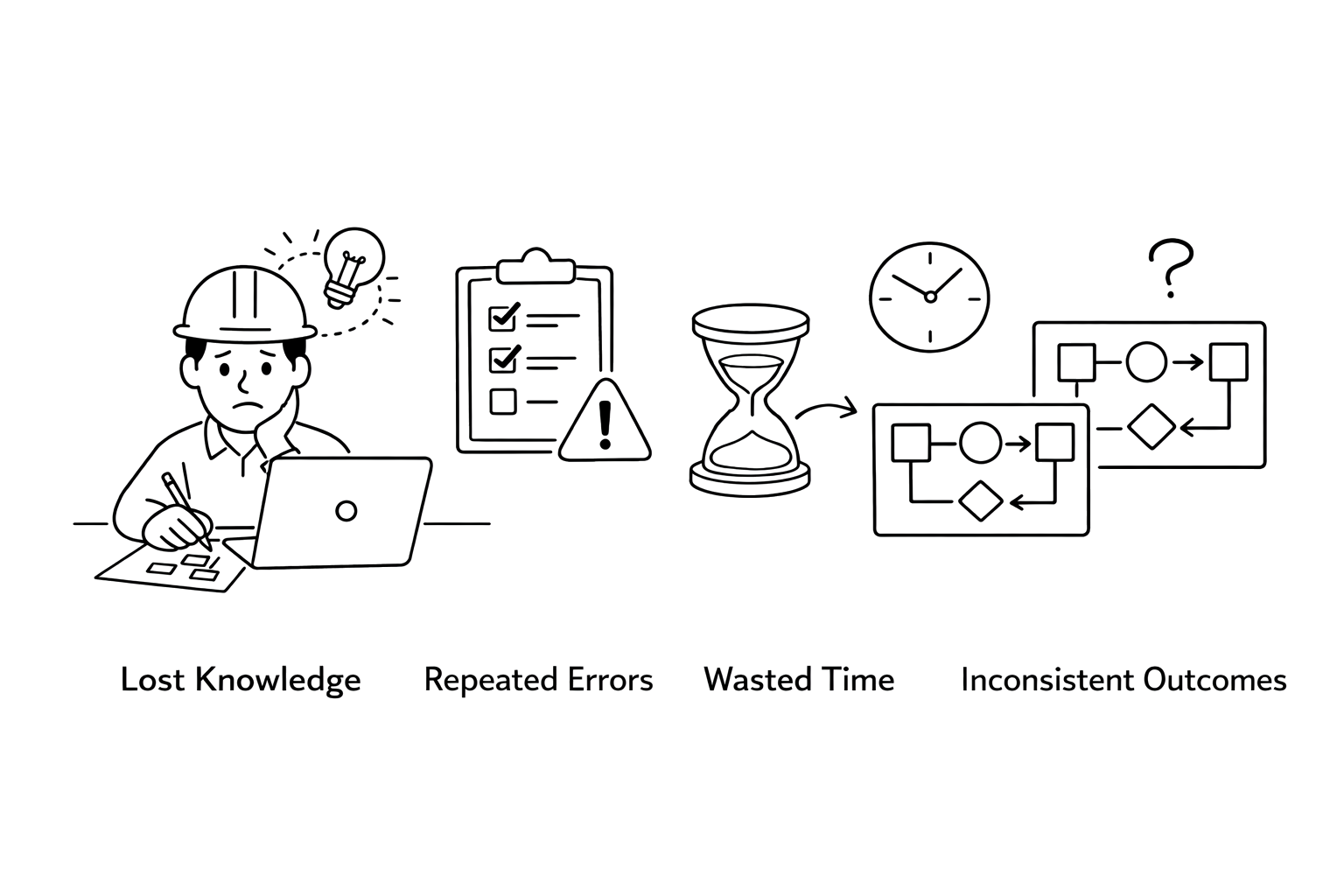
1. Lost Knowledge
Past solutions, tweaks, and lessons often exist only in an engineer’s mind. When a project ends or when someone moves on, that knowledge disappears. Starting over means rediscovering solutions to problems that have already been solved.
2. Repeated Errors
Without standardized practices, small mistakes keep appearing project after project. For individual engineers, this can be frustrating; for teams, it leads to inconsistent results.
3. Wasted Time
Time spent on reconstruction is time not spent innovating or improving designs. Individual engineers may feel stuck in routine work rather than applying their skills to something more meaningful.
4. Inconsistent Outcomes
Every new project can feel like reinventing the wheel. The results may vary widely depending on who’s handling it, making it harder for engineers to feel confident in their decisions.
How Engineers Can Work Smarter
Whether you’re a part of a large team or working independently, there are practical ways to avoid starting from scratch:
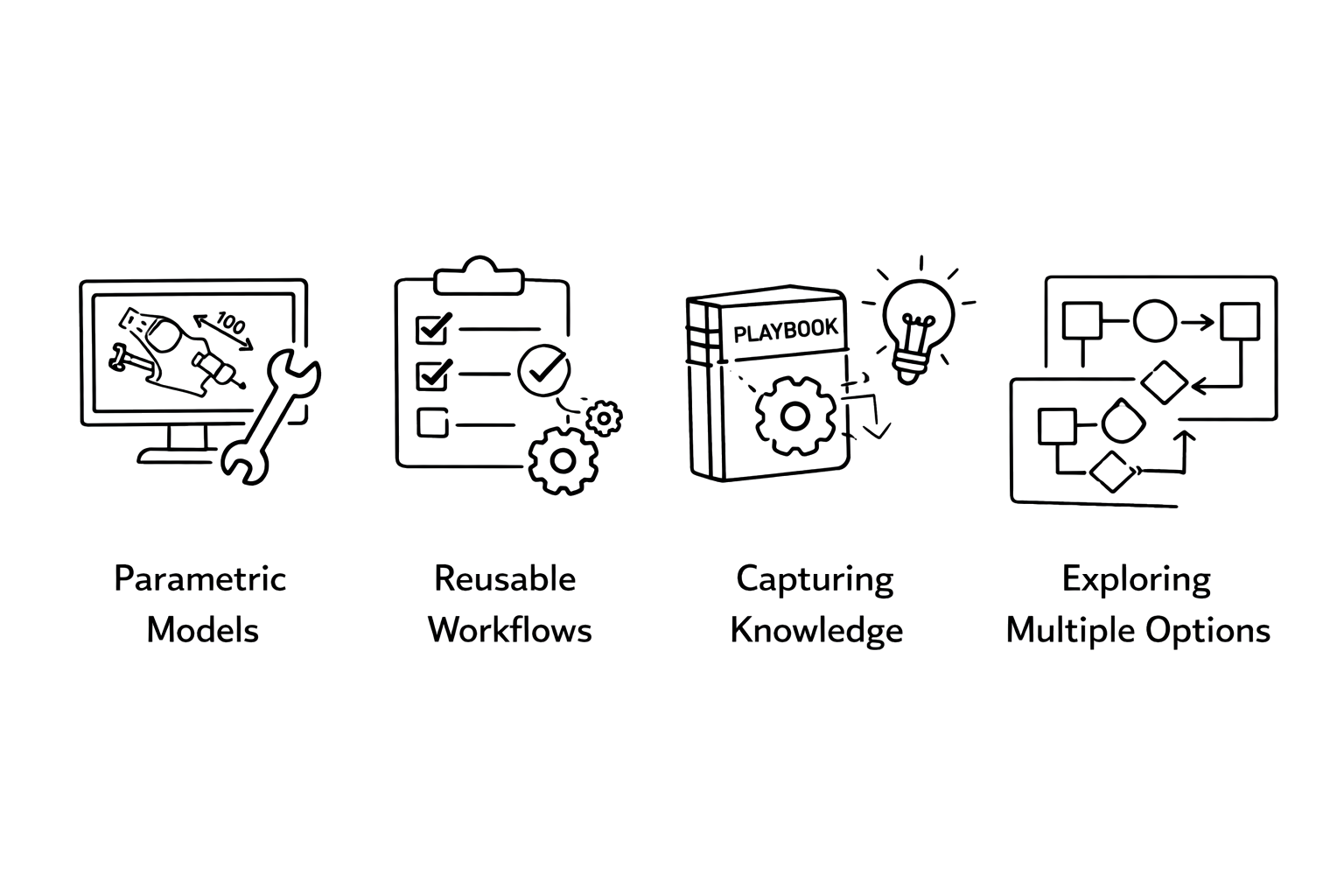
1. Parametric Models
Create models that can adapt to new requirements. A single model can serve as a template for multiple projects, reducing repetitive work while letting engineers focus on innovation.
2. Reusable Workflows
Standardize recurring tasks, simulation setup, validation, or testing, so you don’t have to redo the same work each time. Even small routines can make a big difference in productivity.
3. Capturing Knowledge
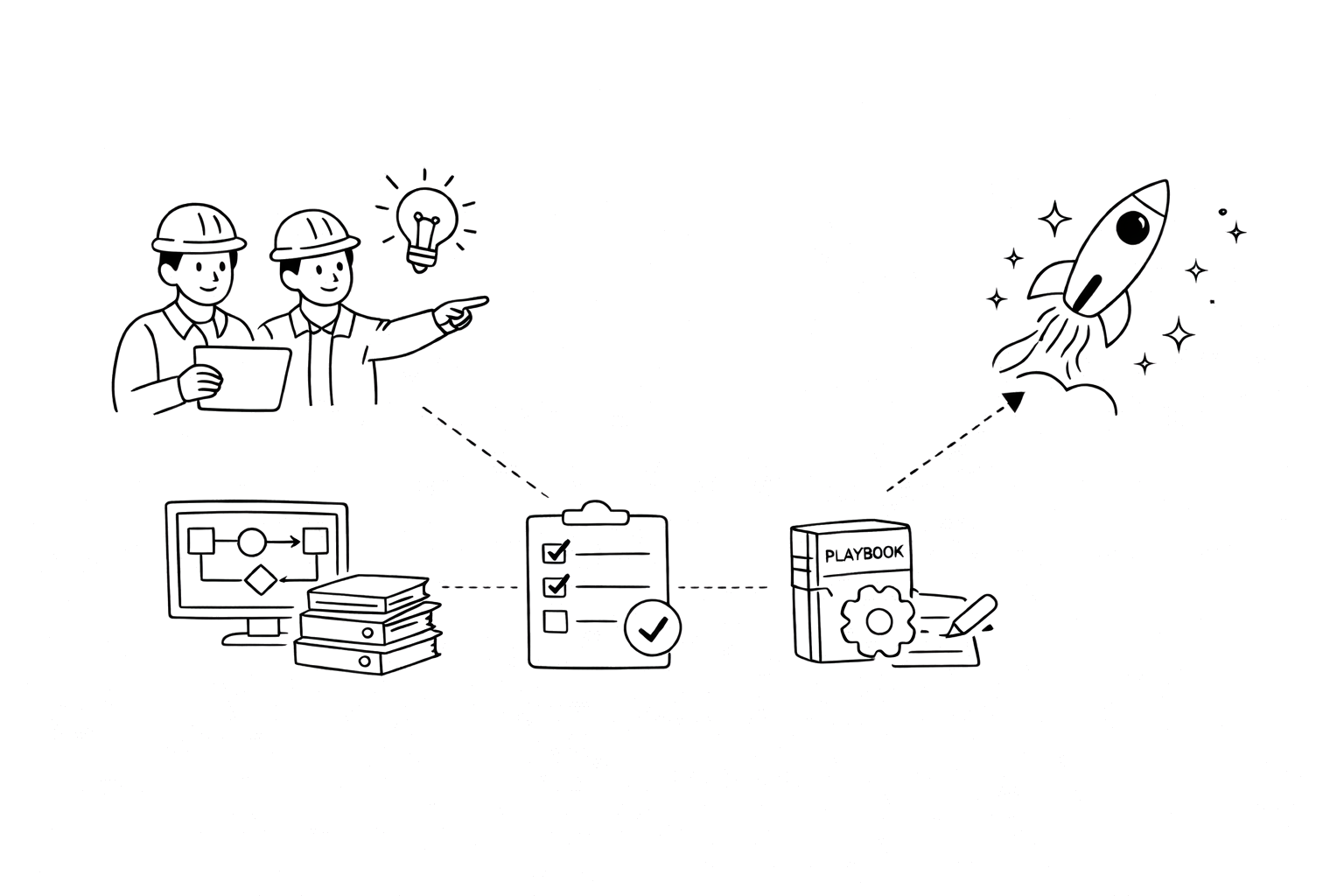
Document processes, solutions, and lessons learned. Individual engineers benefit by having a personal “playbook” to speed up future projects, while teams benefit from shared knowledge.
4. Exploring Multiple Options
With structured models and workflows, engineers can test multiple design alternatives efficiently, uncovering better solutions without extra effort.
Even small improvements to the workflow can transform an engineer’s daily work from repetitive to meaningful, giving time to focus on creativity and problem-solving.
Where CAESES Helps Both Engineers and Teams
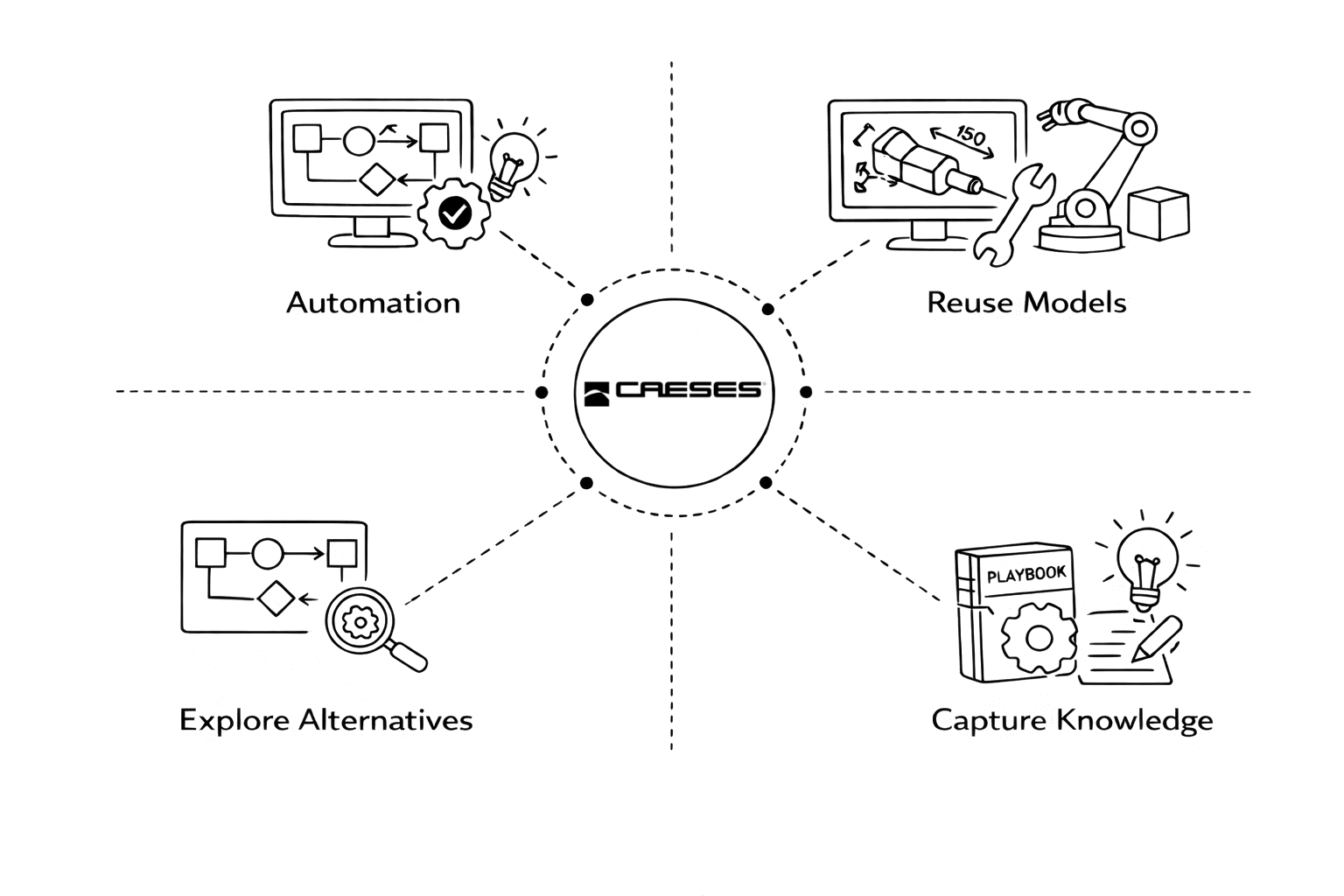
CAESES is designed to make parametric, reusable, and automated workflows practical for both individuals and teams. It allows engineers to:
- Reduce repetitive tasks without sacrificing flexibility
- Reuse models and processes across multiple projects
- Explore design alternatives systematically
- Capture knowledge for future use
For individuals, this means less frustration, fewer repetitive tasks, and more time for creativity. For teams, it ensures everyone benefits from shared knowledge and standardized practices.
These workflows also provide a foundation for data-informed decision-making, allowing both engineers and teams to make smarter choices faster.
Why Early Setup Matters
A common lesson from high-performing engineers is that the first steps of a project matter more than most people think. How you set up your model, workflow, and data at the start determines how efficiently you can iterate and explore options later.
Even solo engineers benefit from well-structured workflows that let them reuse their own past work and scale their efforts. In teams, consistent early setup ensures everyone works from the same foundation, reducing errors and miscommunication.
Beyond Efficiency: Confidence and Innovation
Starting from scratch is more than an inconvenience, it’s a bottleneck that slows engineers of all levels and limits the potential of entire teams. By creating reusable models, structured workflows, and systems for knowledge capture, engineers can work faster, make smarter decisions, and focus on innovation.
CAESES make this possible, providing tools that empower engineers to work efficiently, reduce repetition, and build a foundation for better decision-making.
The future of engineering isn’t about starting over. It’s about building on what you’ve already achieved, whether you’re working alone or with a team, and doing it smarter.