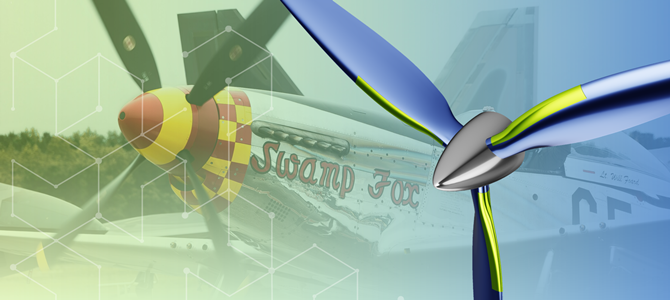
Compare CAESES and conventional CAD software in a real-world component modeling project. Using the vertical stabilizer of a human-powered aircraft as an example, this study highlights the difference in parametric geometry generation, workflow robustness, manufacturing preparation, and development efficiency