Maritime
Design and optimization of maritime systems
Decrease fuel consumption, reduce operational downtime, and maximize speed with CAESES.
5%
Typical energy savings
100%
Constraint consideration
10.000+
Variants
Trusted by 150+ organizations in over 30 countries around the world
CAESES design capabilities for maritime applications
Model & morph
Create fully parametric hull, appendage, and propulsor geometries – or rapidly modify imported geometries using advanced morphing techniques.
Vary & constrain
Generate robust design variations with minimal failures while automatically respecting geometric, stability, and arrangement constraints.
Export & connect
Export geometries in multiple CFD-ready formats and seamlessly connect CAESES with external simulation and calculation tools.
Optimize
Explore and improve designs using integrated DoE, optimization algorithms, data management, and post-processing capabilities.
Integrate
Automate and customize workflows through full scripting support and easy integration with third-party optimizers and tools.
Insight
Leverage advanced analytics and machine learning to uncover trends, accelerate learning, and make data-driven design decisions.
Typical maritime applications
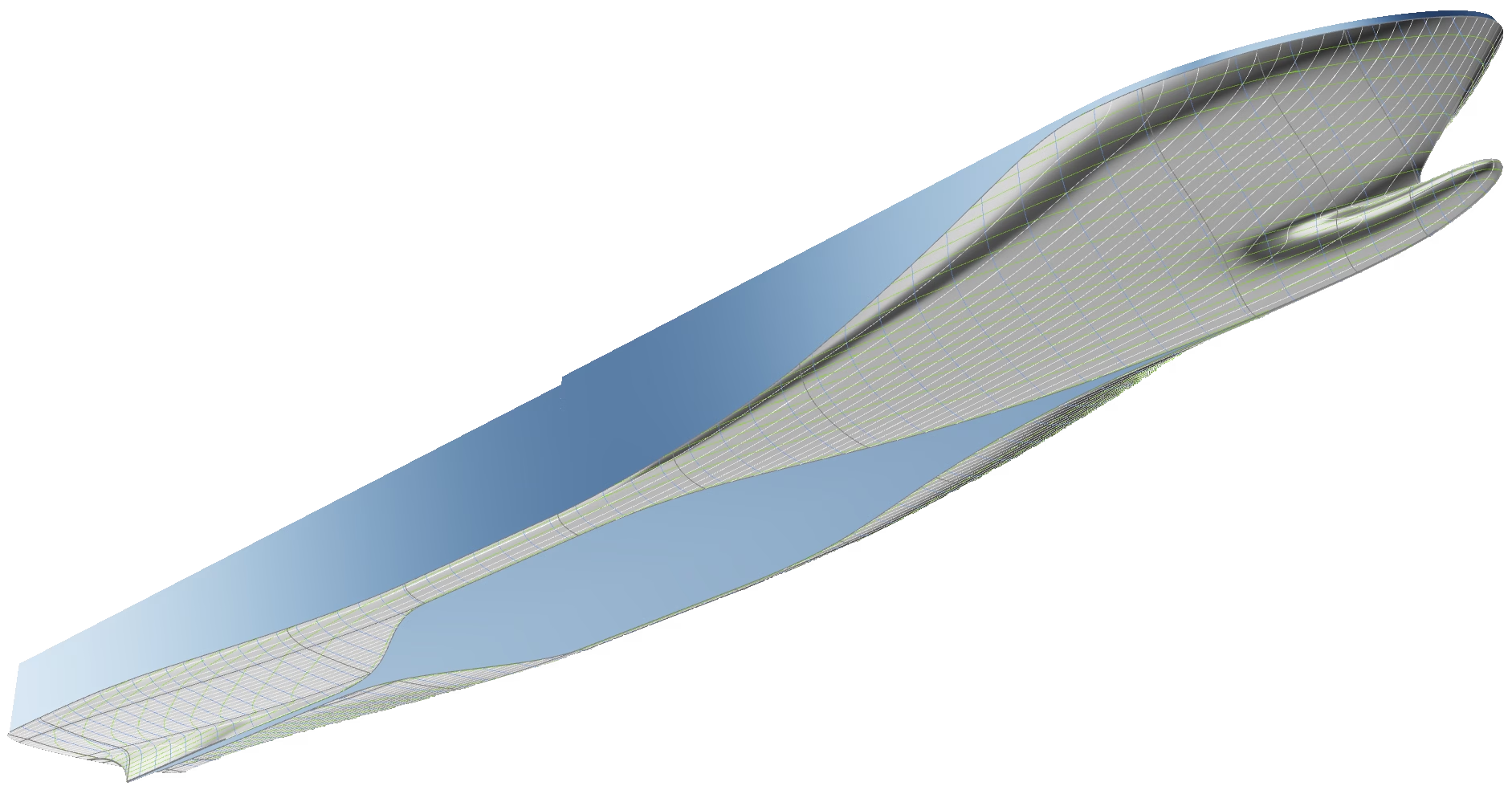
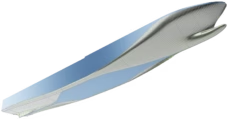
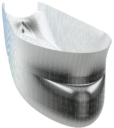
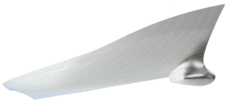
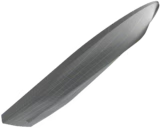
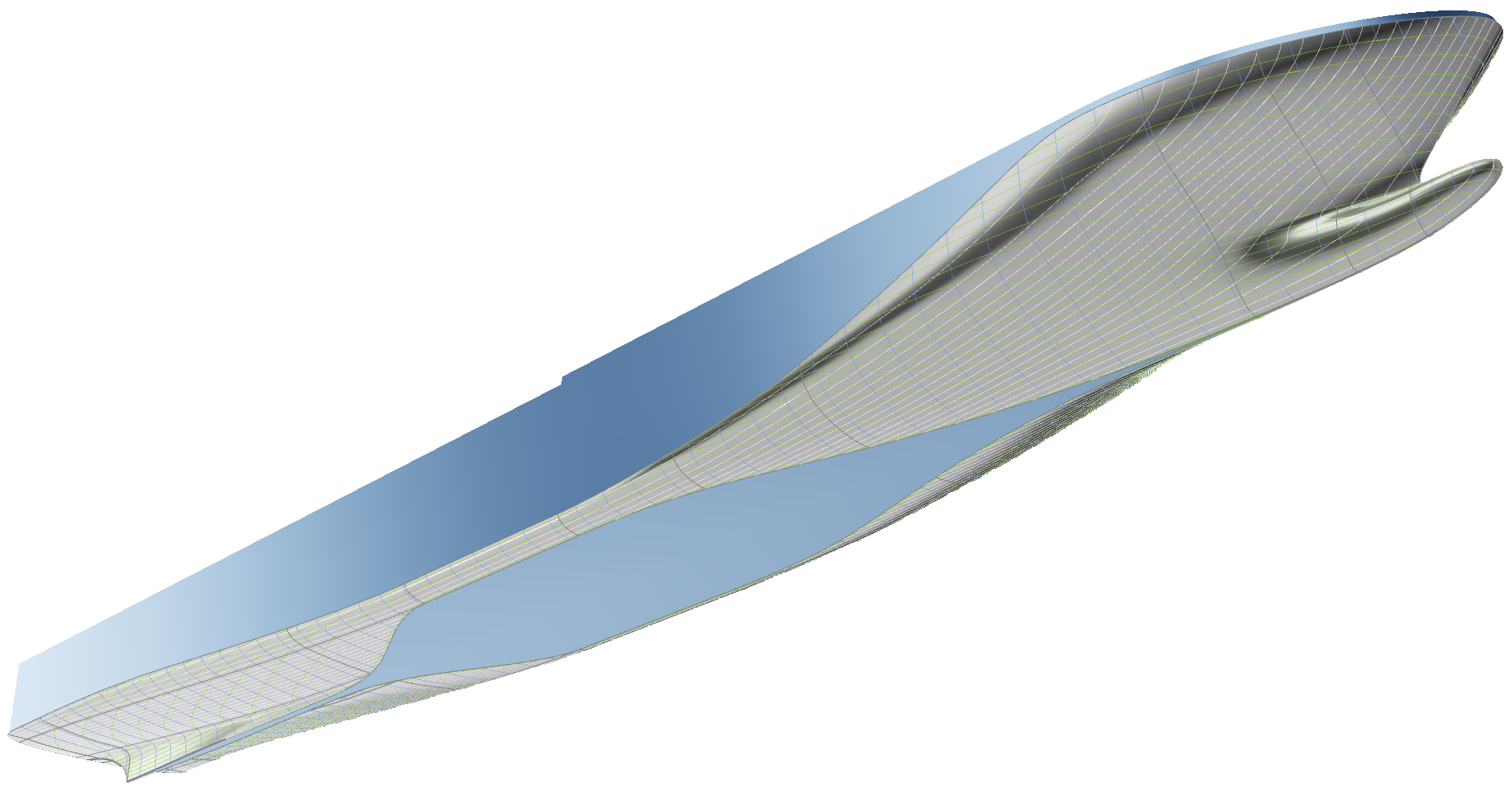
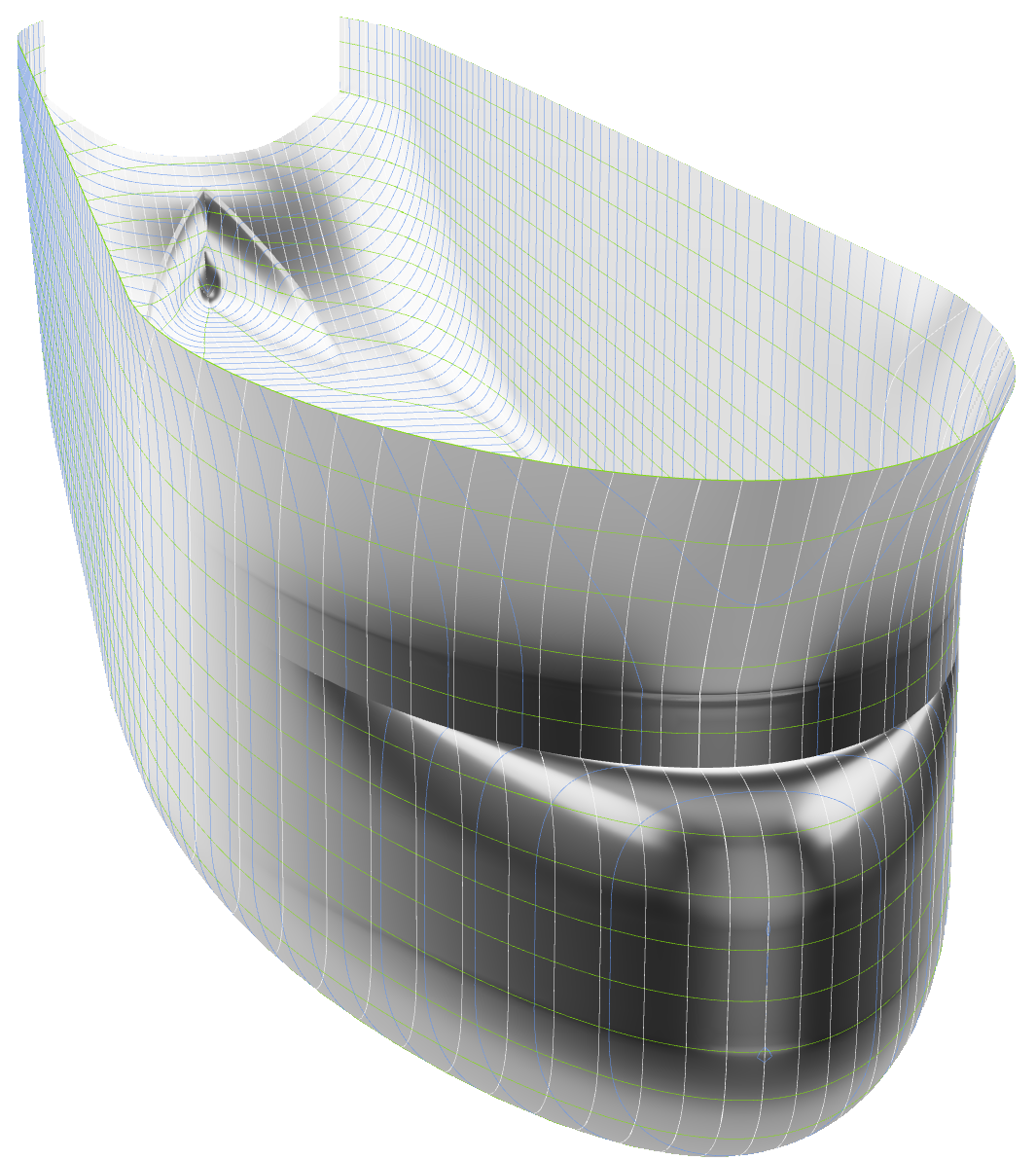
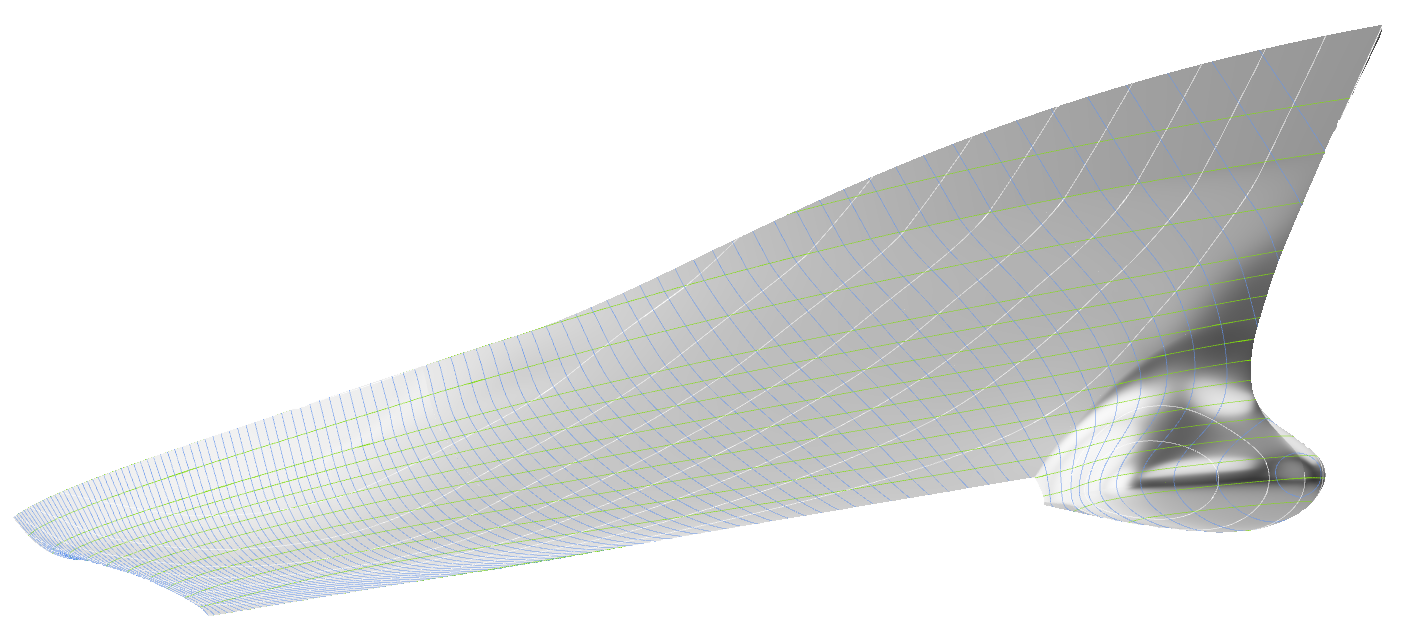
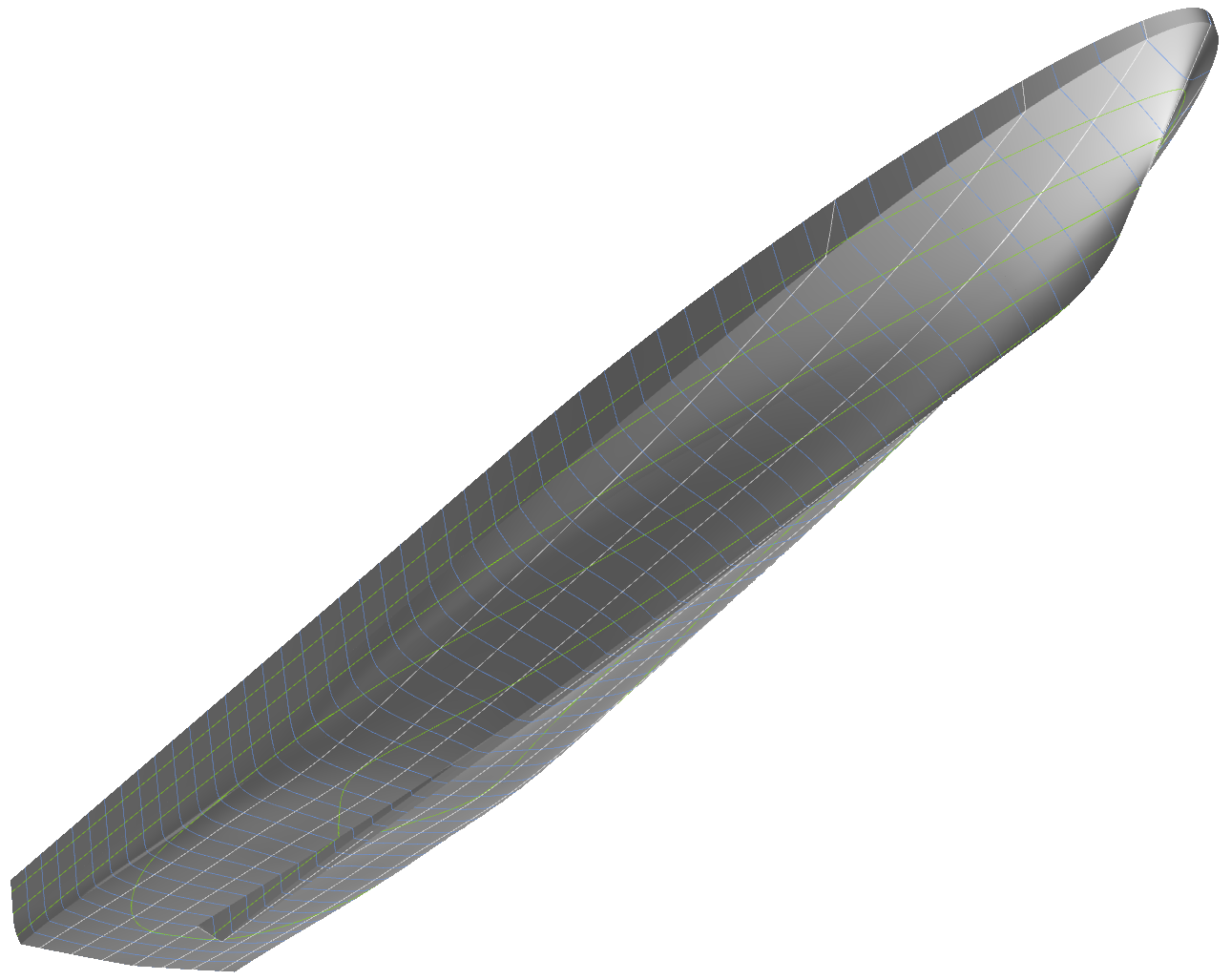
Ship hulls
See details-
Cruise ship hull
-
Bulk carrier hull
-
Naval ship hull
-
Patrol vessel hull
-
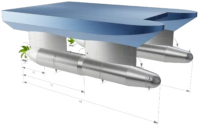
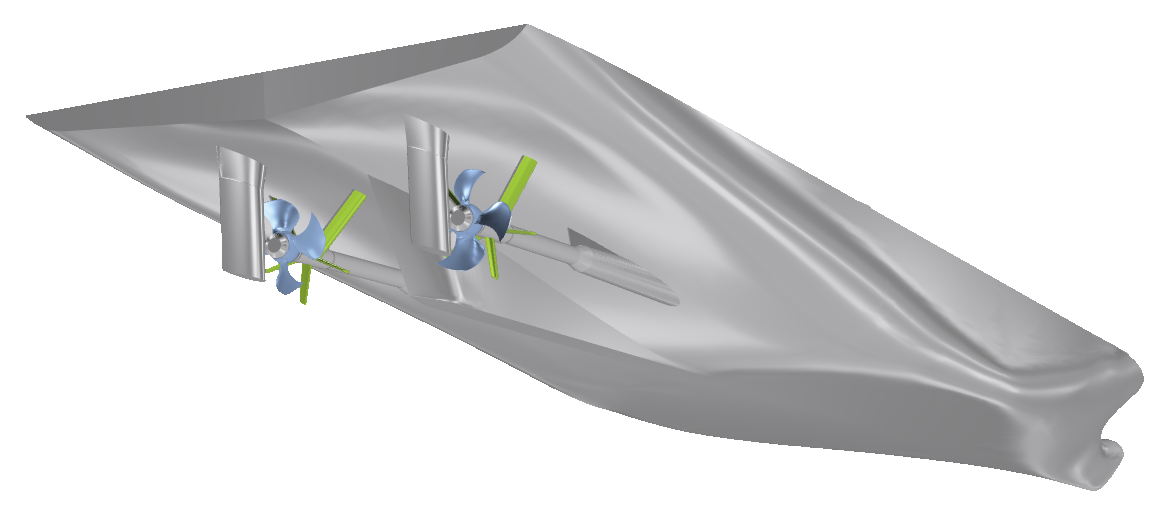
RoPax hull with appendages
-
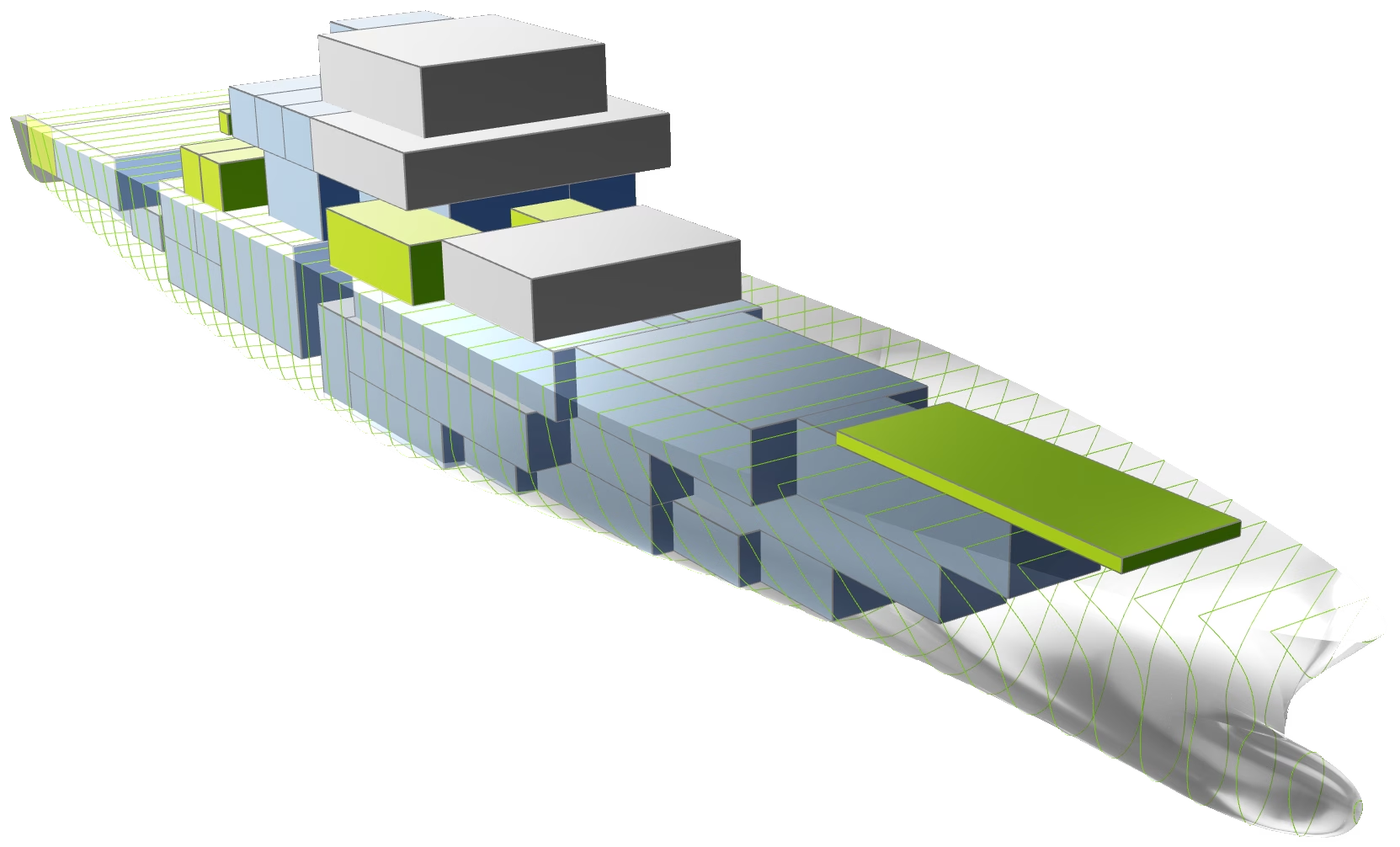
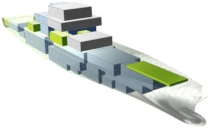
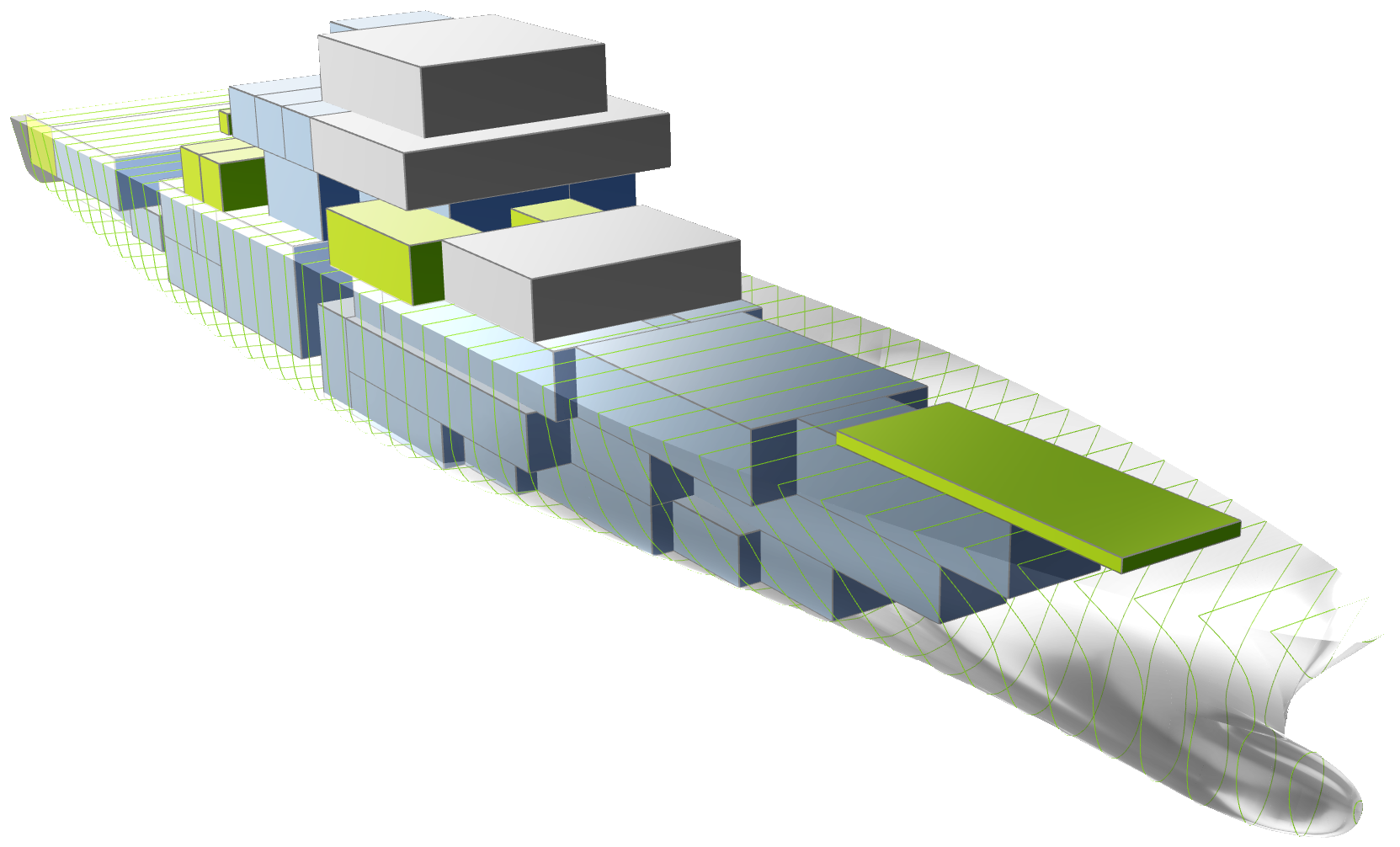
Ship hull with arrangement blocks
-
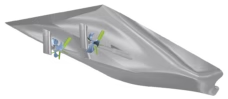
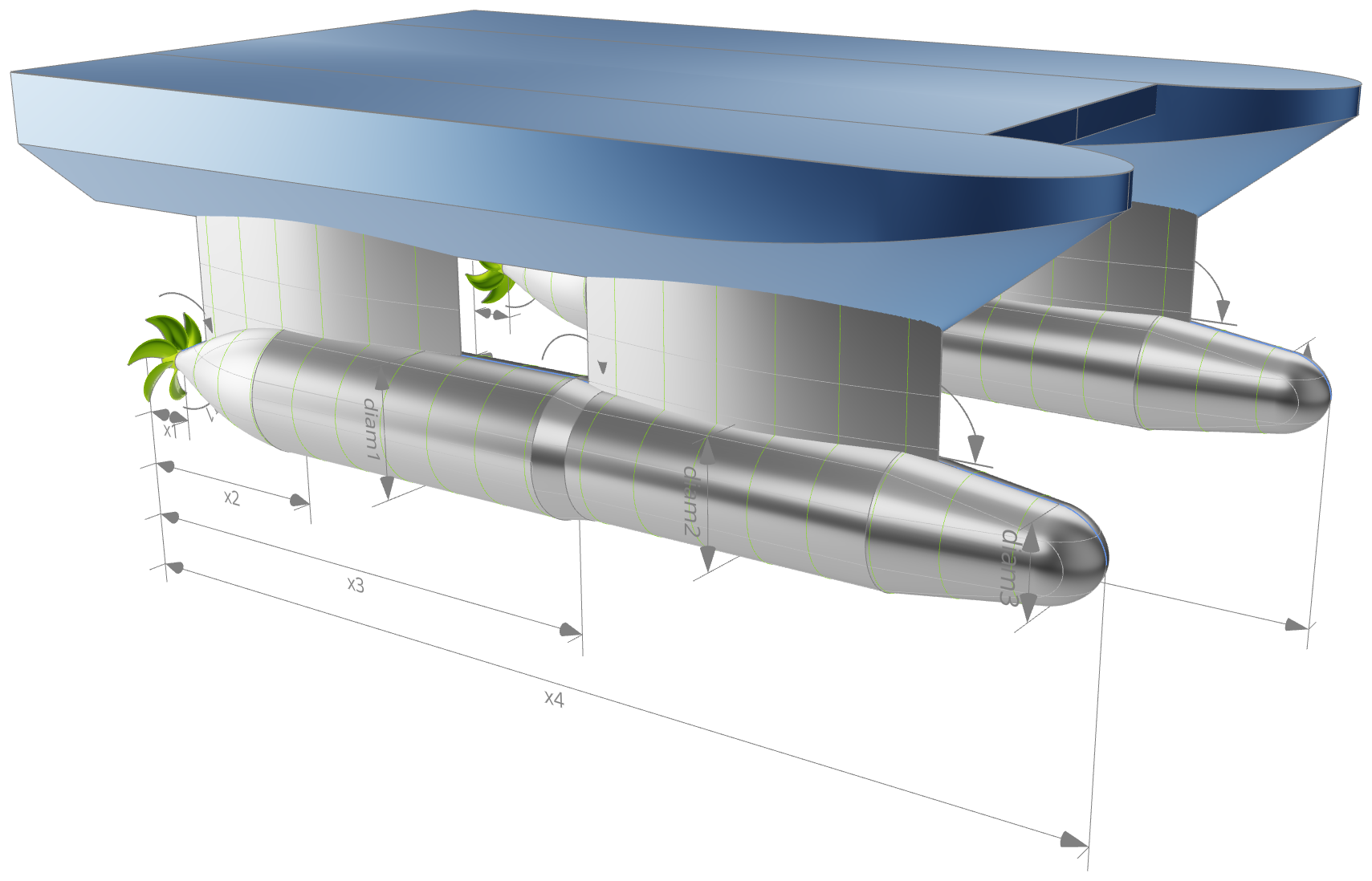
SWATH hull
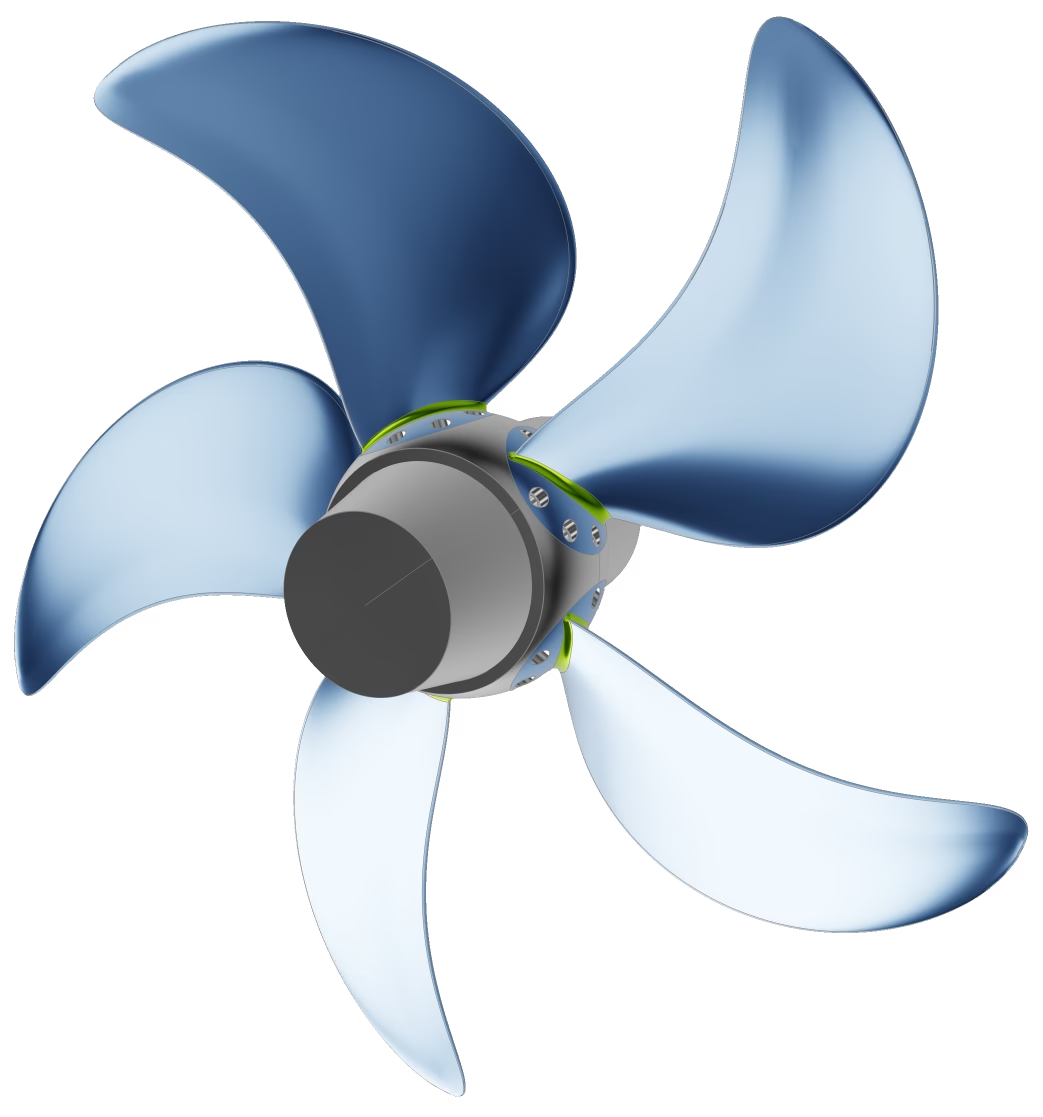
Propellers
See details-
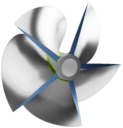
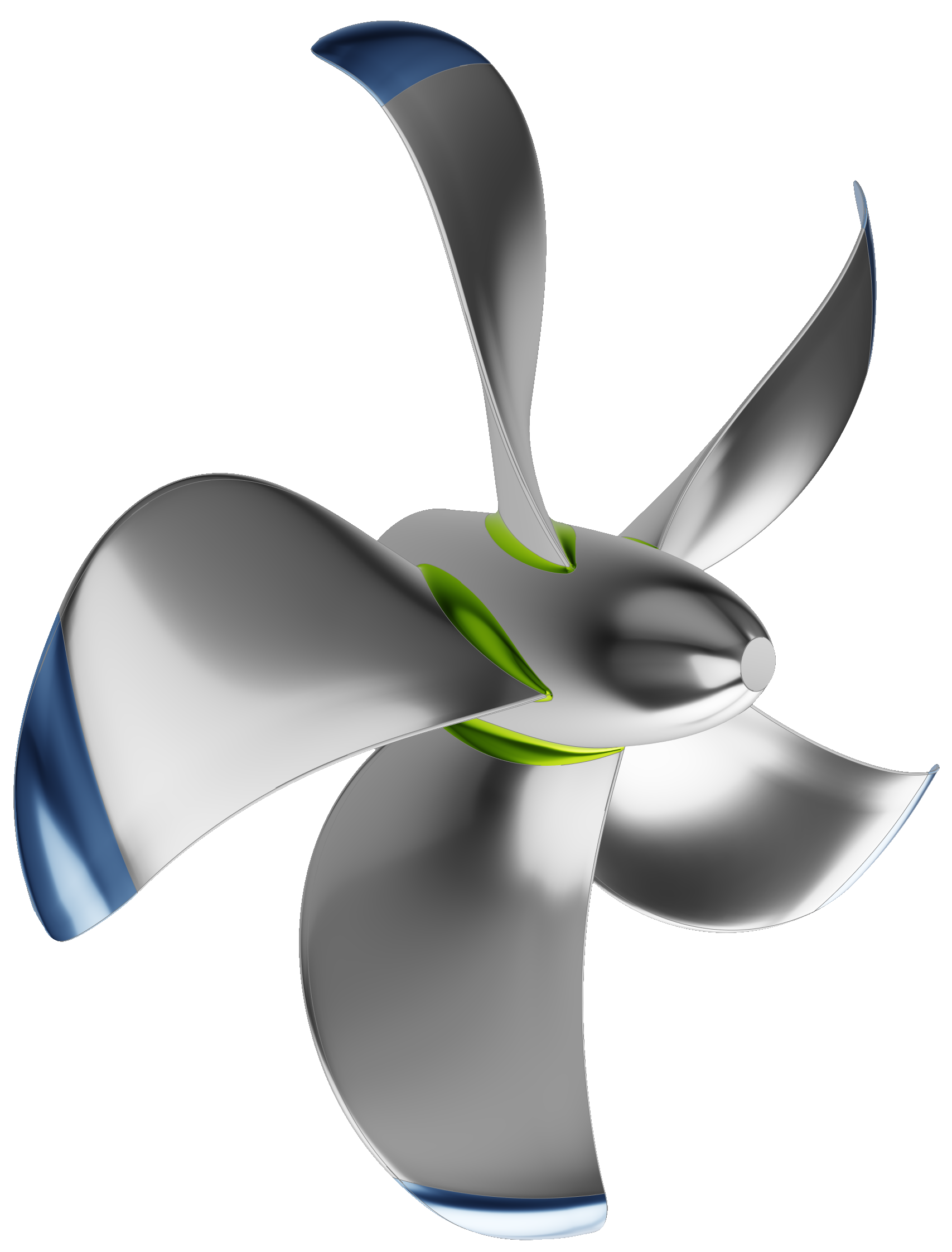
Tip rake propeller
-
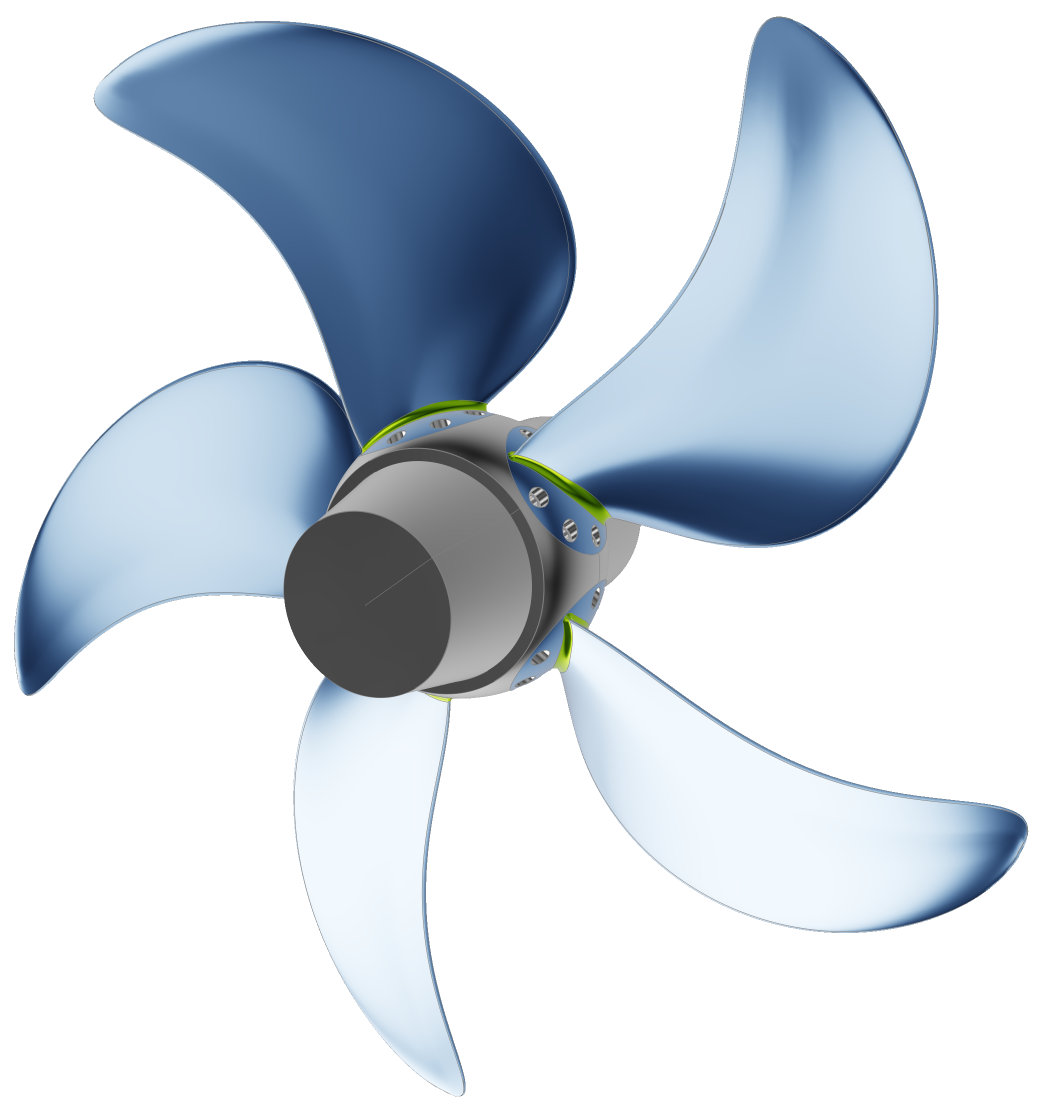
Variable pitch propeller
-
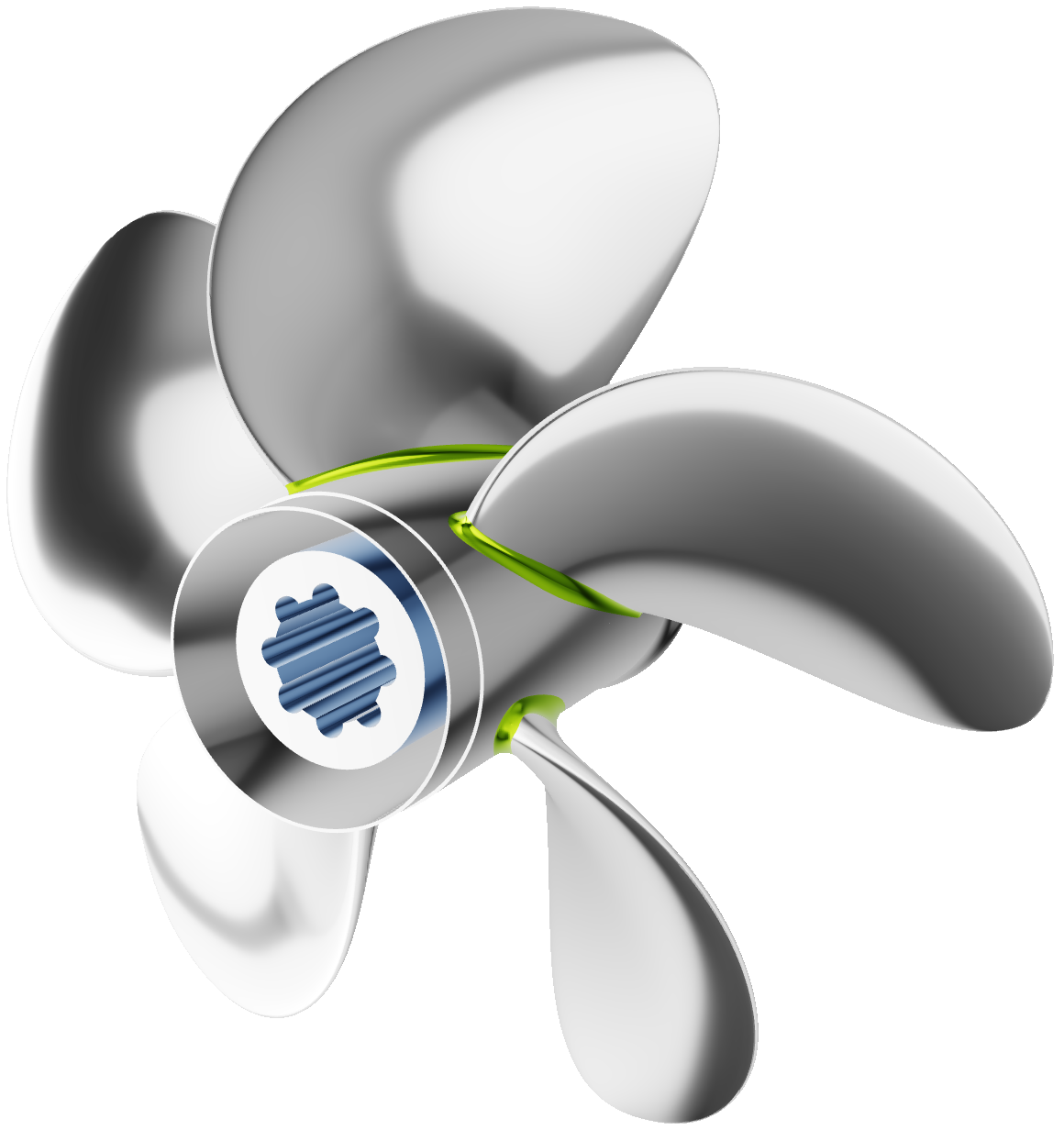
Outboard propeller
-
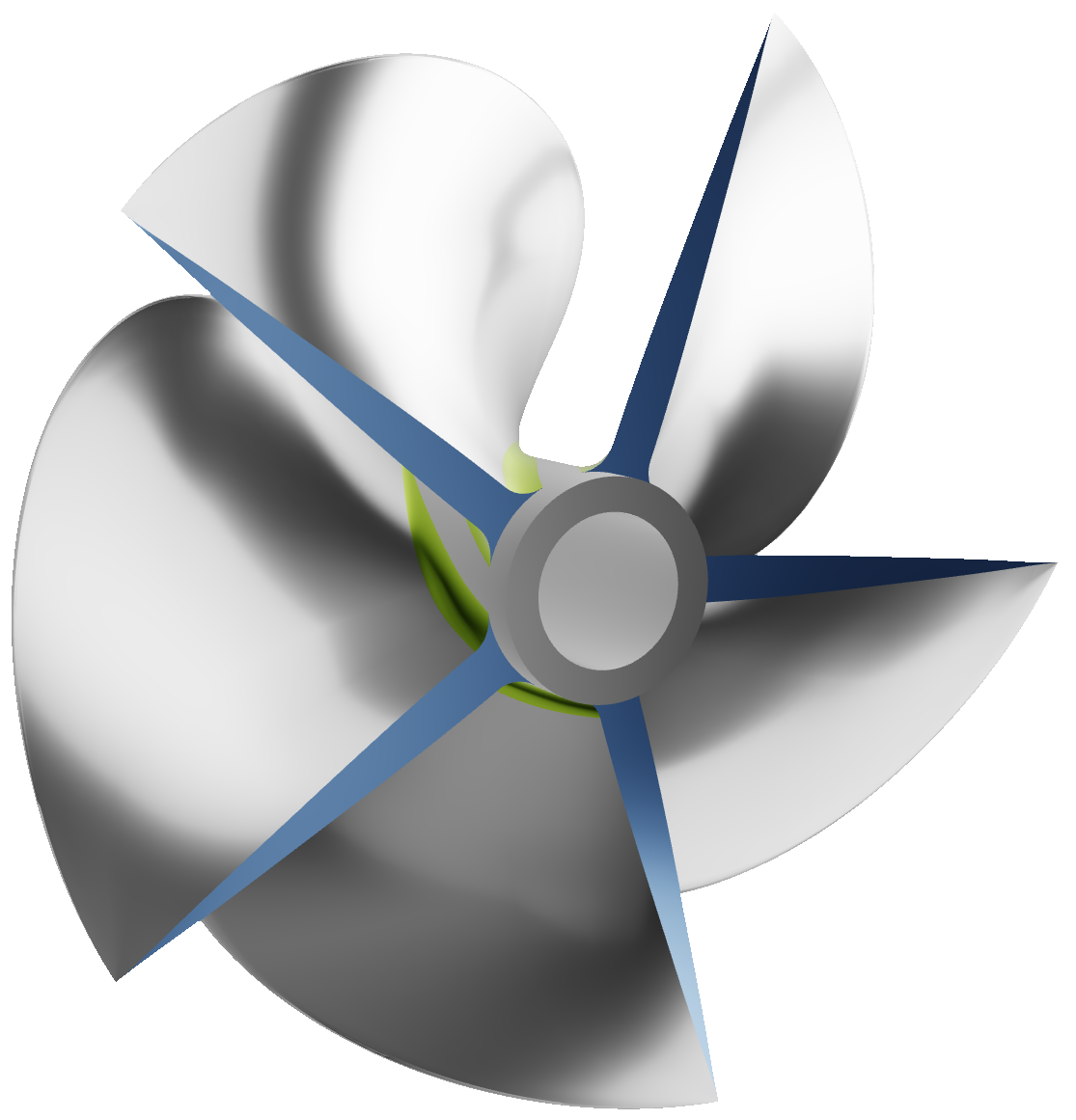
Surface piercing propeller



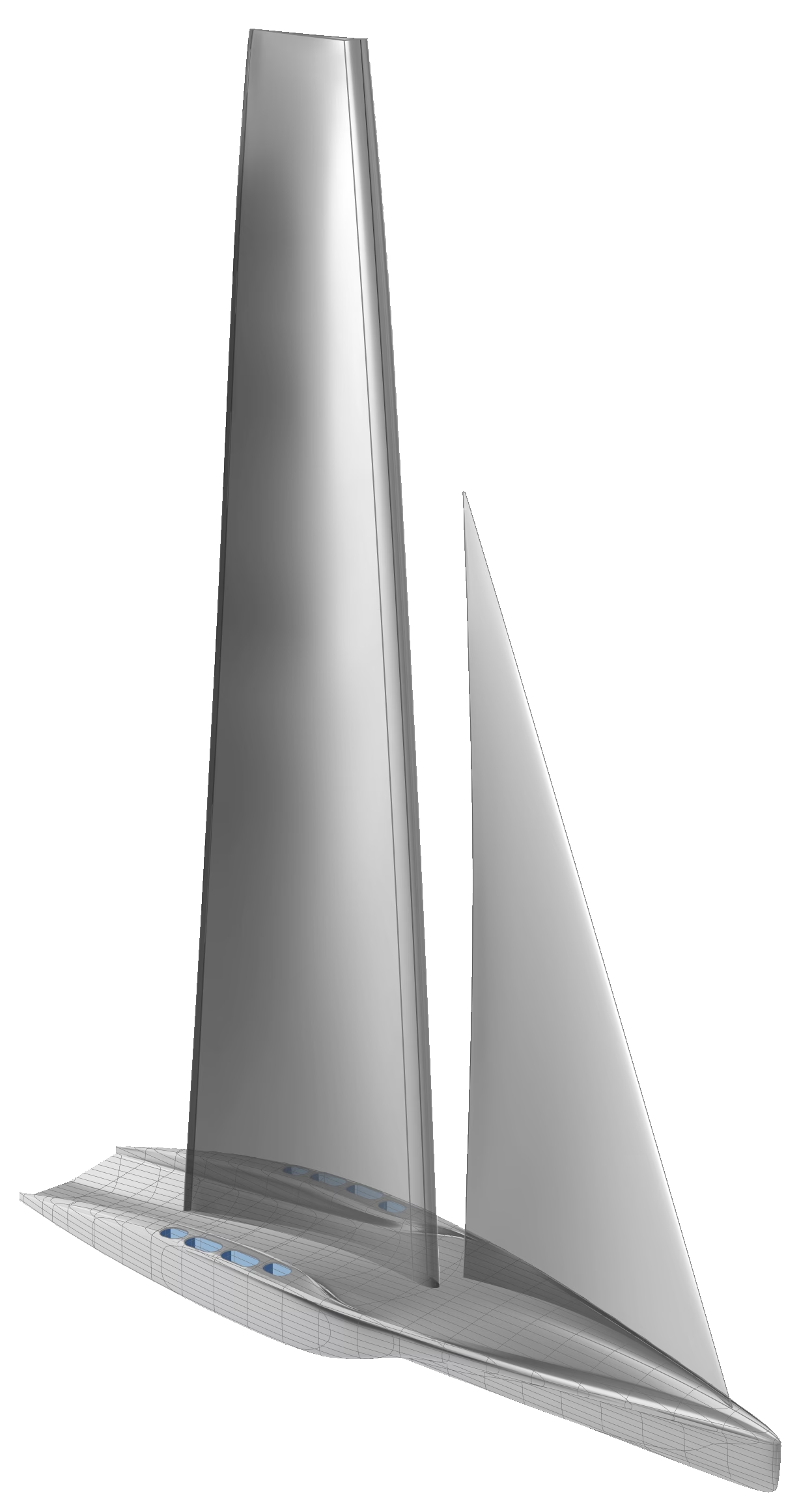
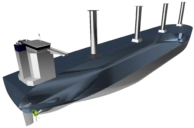
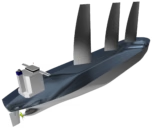
Wind-assisted ship propulsion
-
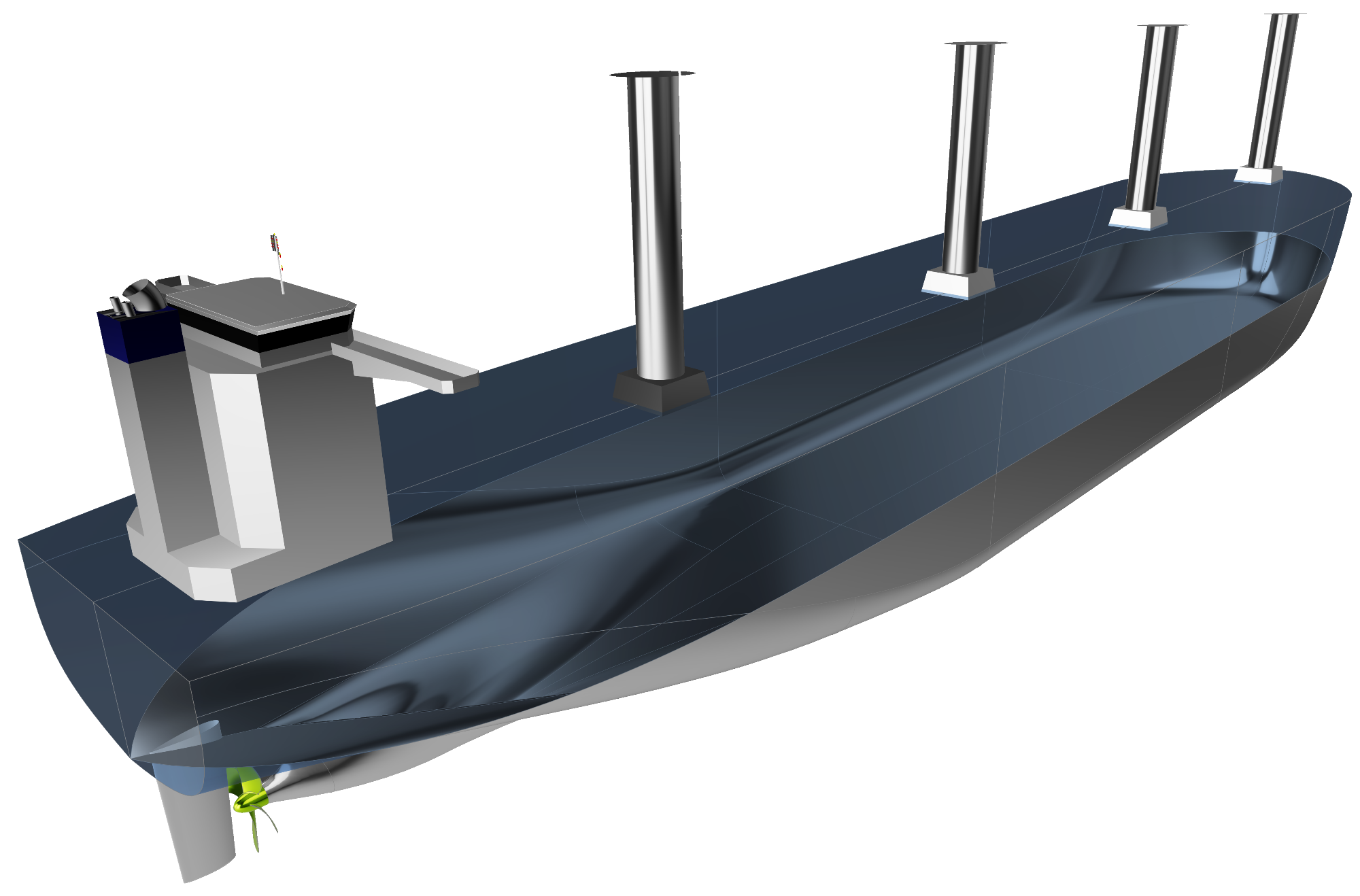
Tanker with Flettner rotors
-
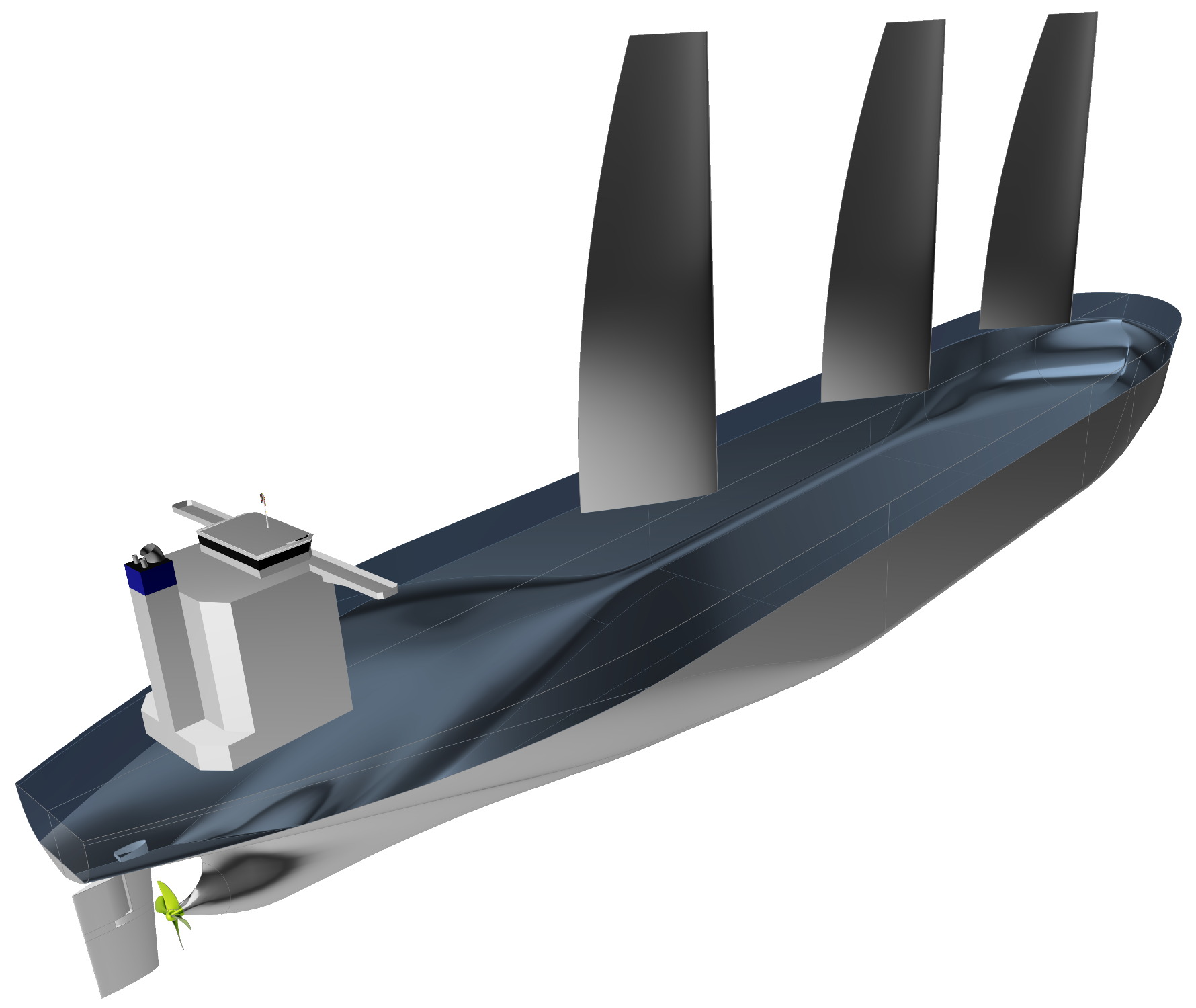
Tanker with wing sails
Yachts
-
AC Yacht
-
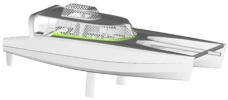
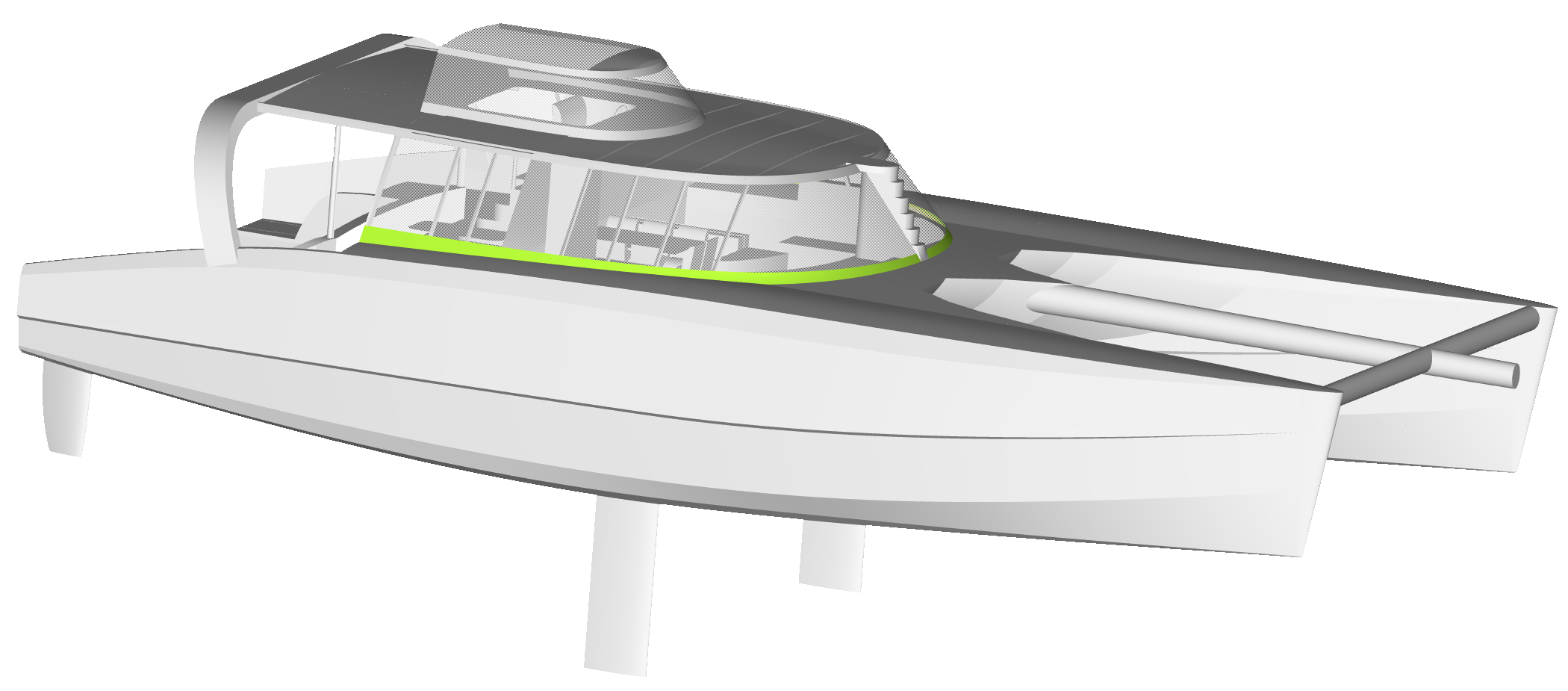
Catamaran with superstructure
-
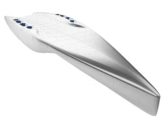
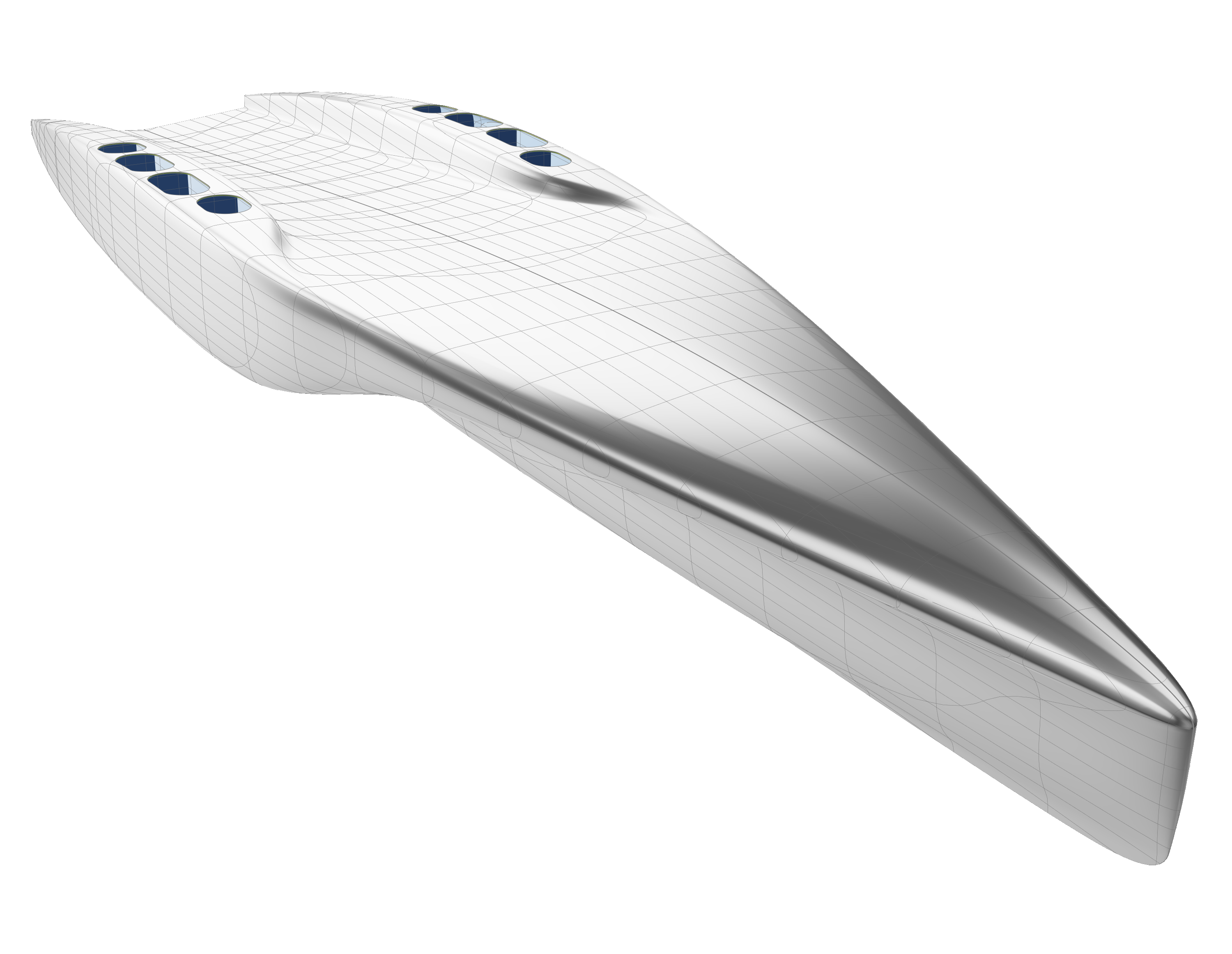
Planing motor boat
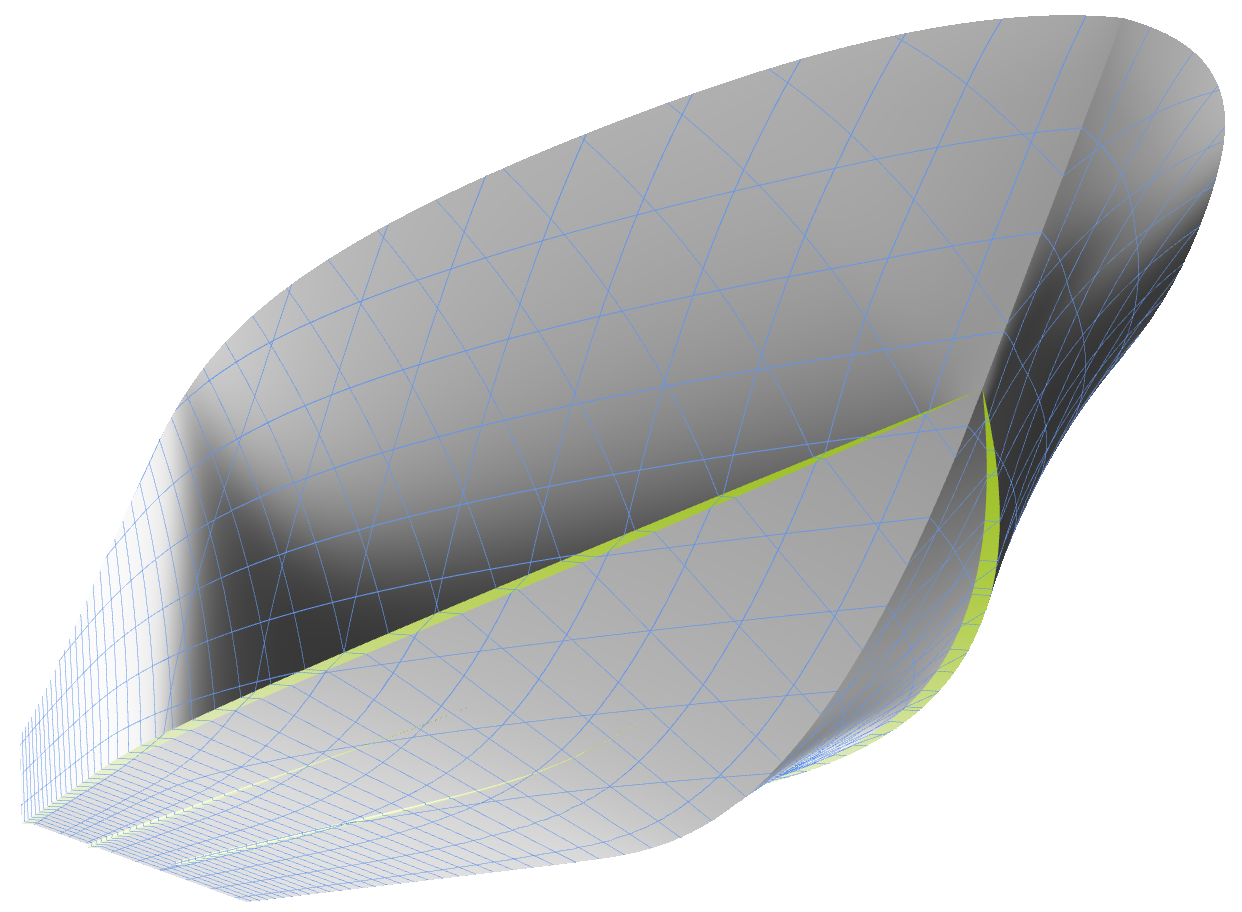
More applications
- Appendages
- Energy saving devices
- Offshore platforms and structures
- Wind, stream or tidal power generation
Would you like to discuss your application with us?
Contact usFAQs
How is CAESES used for maritime applications?
CAESES is widely used for ship hull optimization, propeller design, appendage variation, and hydrodynamic CFD workflows.
Can CAESES optimize propellers and other marine components?
Yes. CAESES is widely used for the optimization of propellers, ducts, rudders, energy-saving devices, and other appendages. Automated design studies can evaluate thousands of design variants to improve efficiency and reduce fuel consumption.
Can CAESES be integrated into existing CFD workflows for naval architecture?
Yes. CAESES connects with leading meshing and CFD tools to automate geometry generation, simulation execution, and result evaluation, creating efficient optimization workflows for marine engineering.