Turbomachinery
Design and optimization of turbomachinery
Generate and optimize complex turbomachinery geometries to achieve higher efficiency and better overall performance.
1,000+
Blade geometries
90%
Less manual modeling
Days
Instead of weeks
Trusted by 150+ organizations in over 30 countries around the world
CAESES design capabilities for turbomachinery applications
Model & morph
Create fully parametric blade, volute, and casing geometries – or rapidly modify imported geometries using advanced morphing techniques.
Vary & constrain
Generate robust design variations with minimal failures while automatically respecting manufacturing or packaging constraints.
Export & connect
Export geometries in multiple CFD-ready formats and seamlessly connect CAESES with external simulation and calculation tools.
Optimize
Explore and improve designs using integrated DoE, optimization algorithms, data management, and post-processing capabilities.
Integrate
Automate and customize workflows through full scripting support and easy integration with third-party optimizers and tools.
Insight
Leverage advanced analytics and machine learning to uncover trends, accelerate learning, and make data-driven design decisions.
Typical turbomachinery applications
Blades
See details-
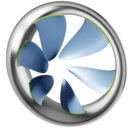
Axial turbine stage
-
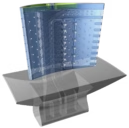
Compressor stator
-
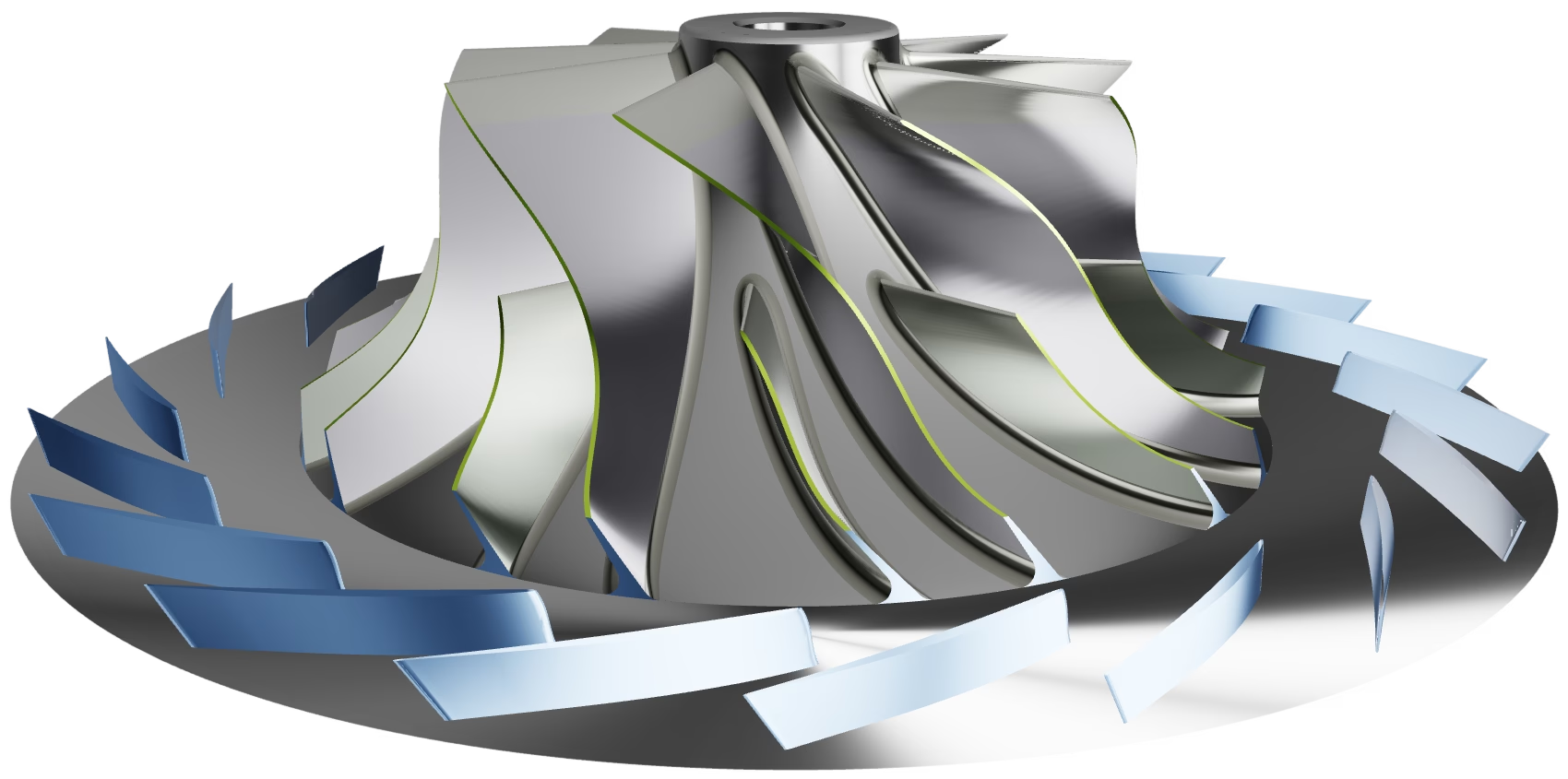
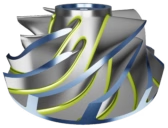
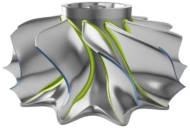
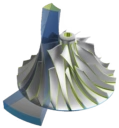
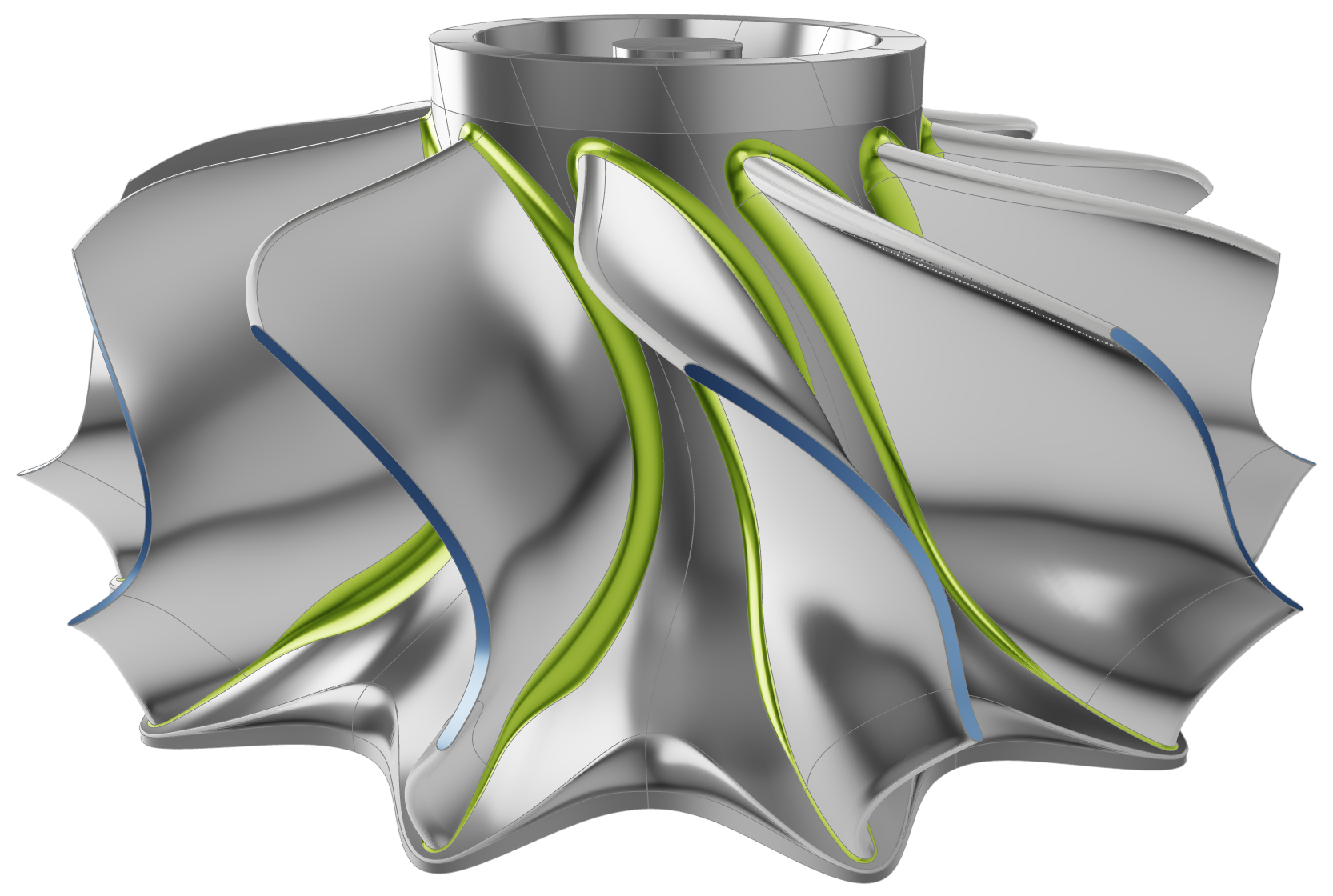
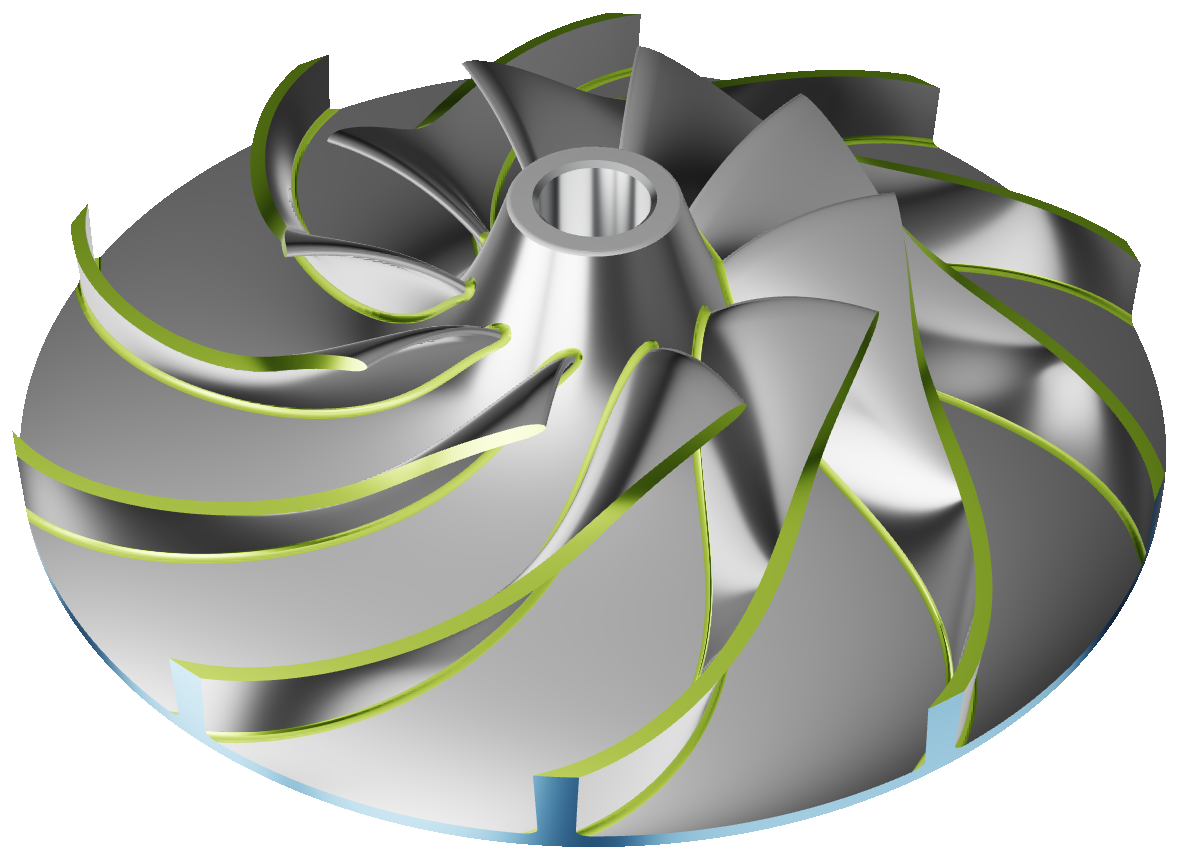
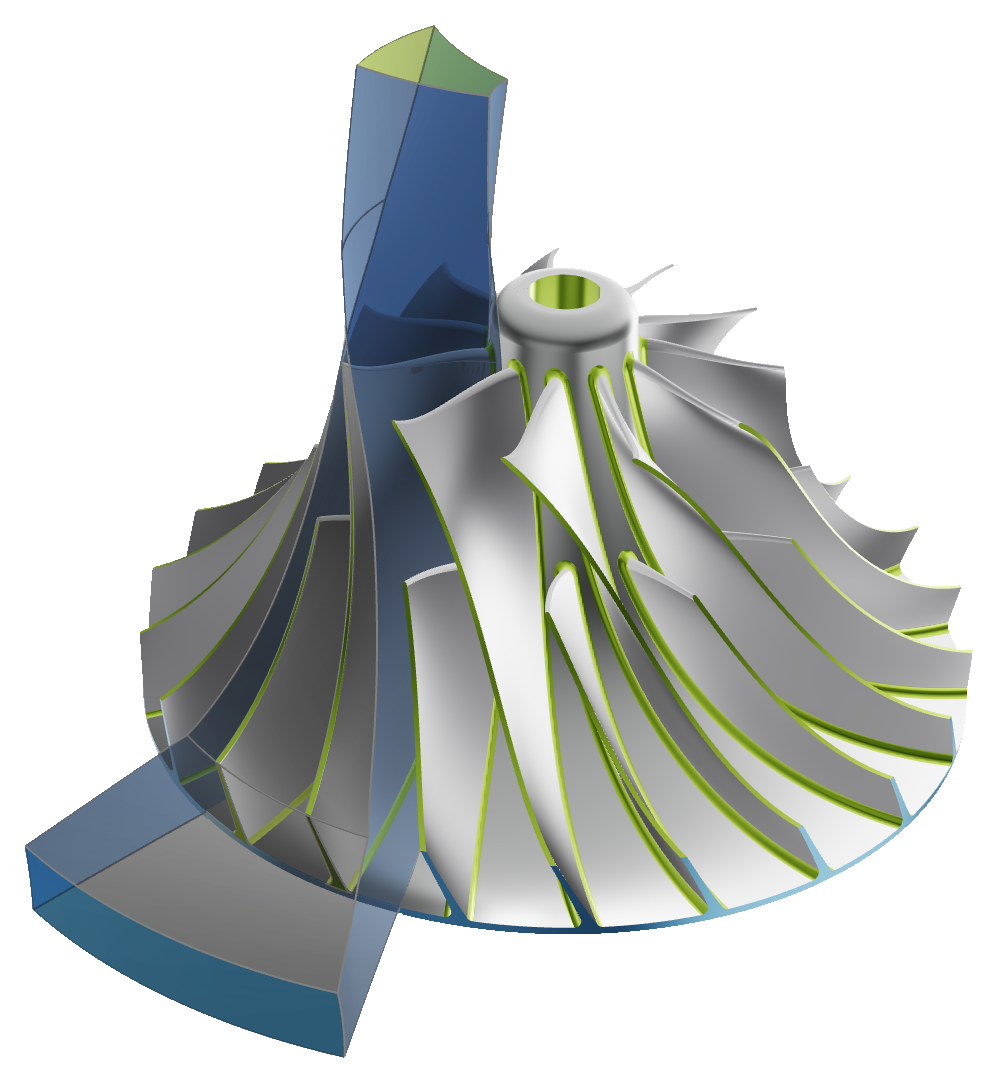
Radial compressor
-
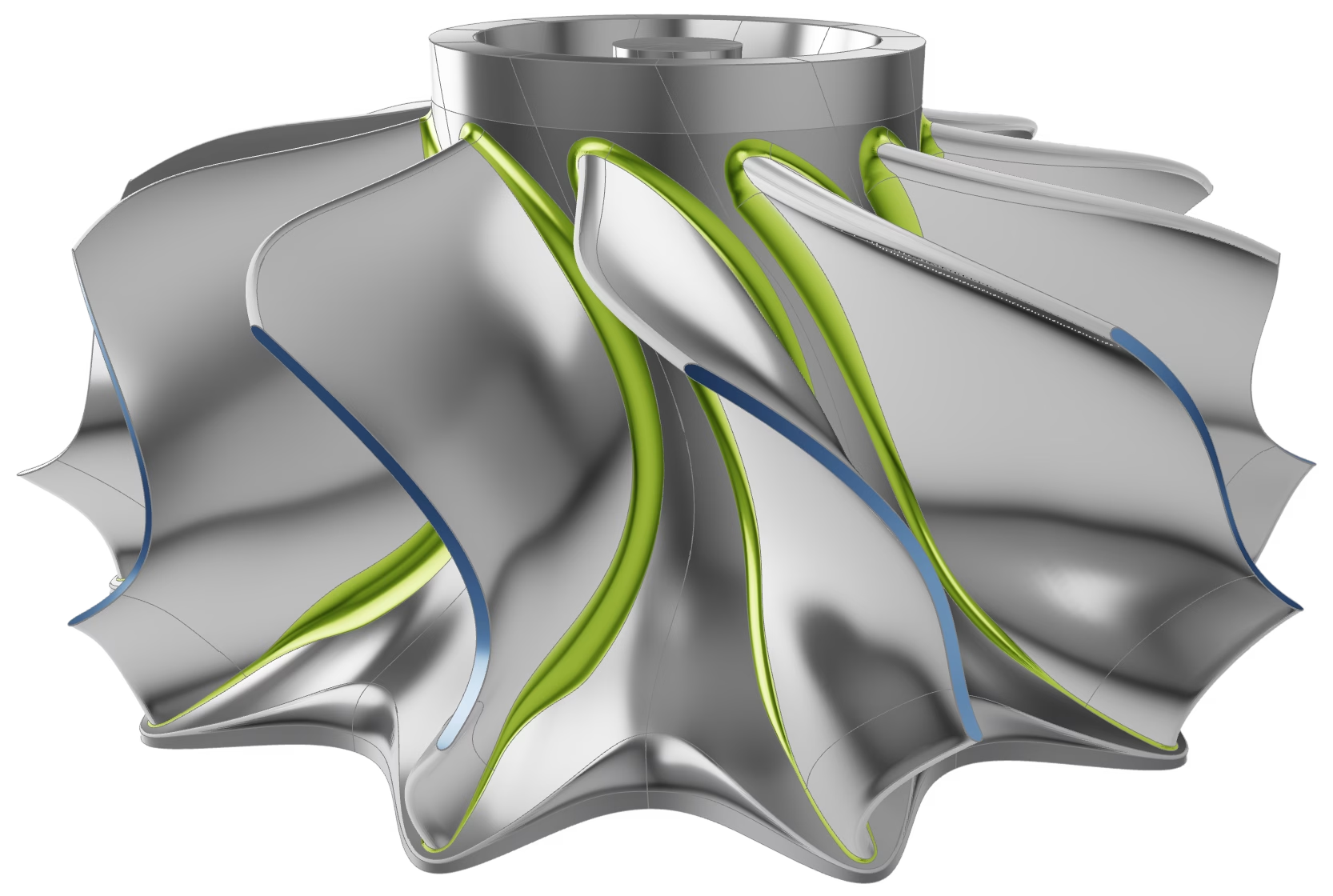
Radial turbine
-
Radial turbine
-
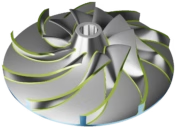
Pump impeller
-
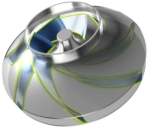
Shrouded impeller
-
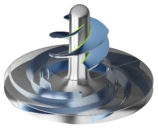
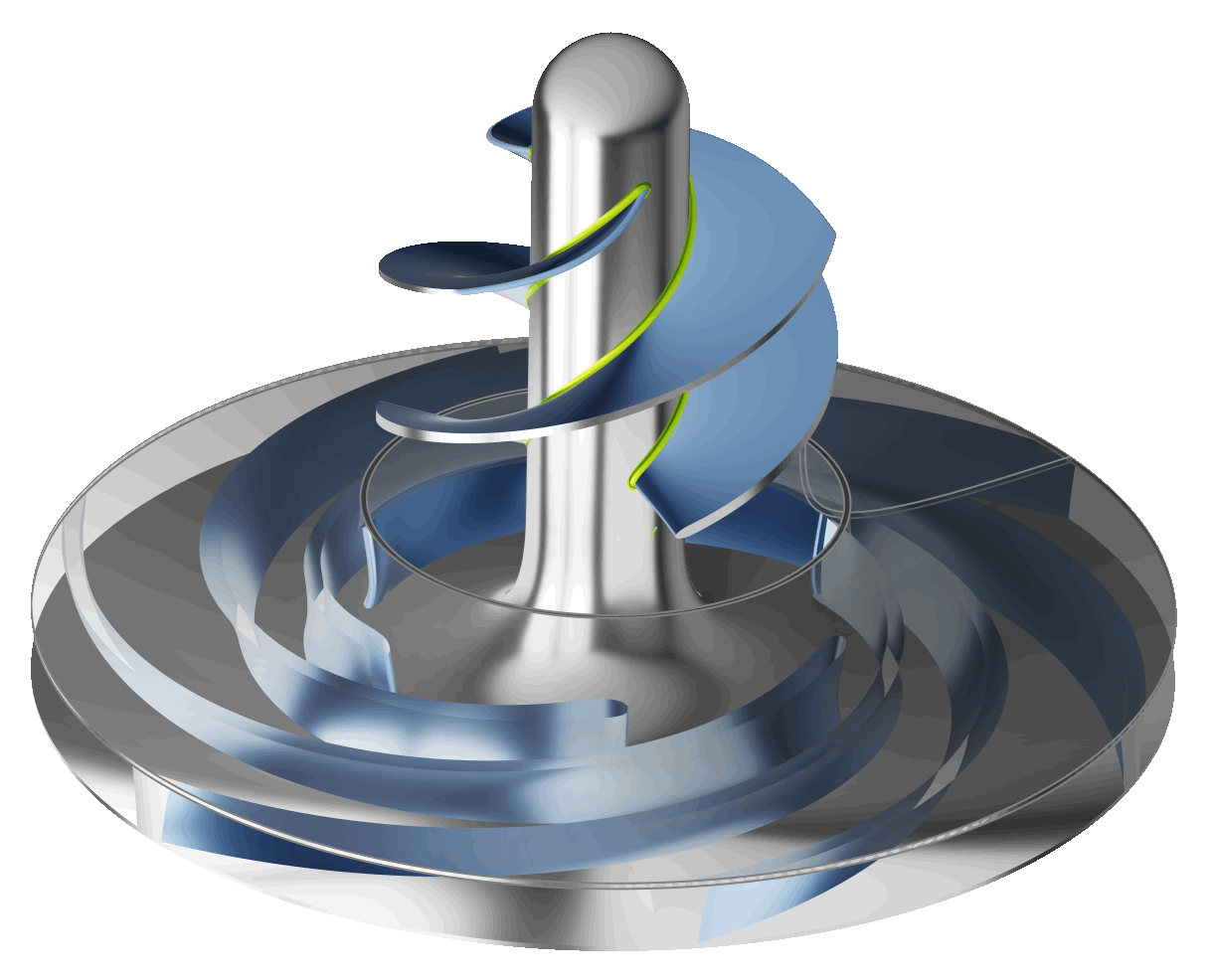
Turbopump inducer
-
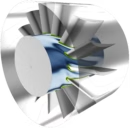
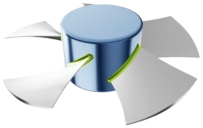
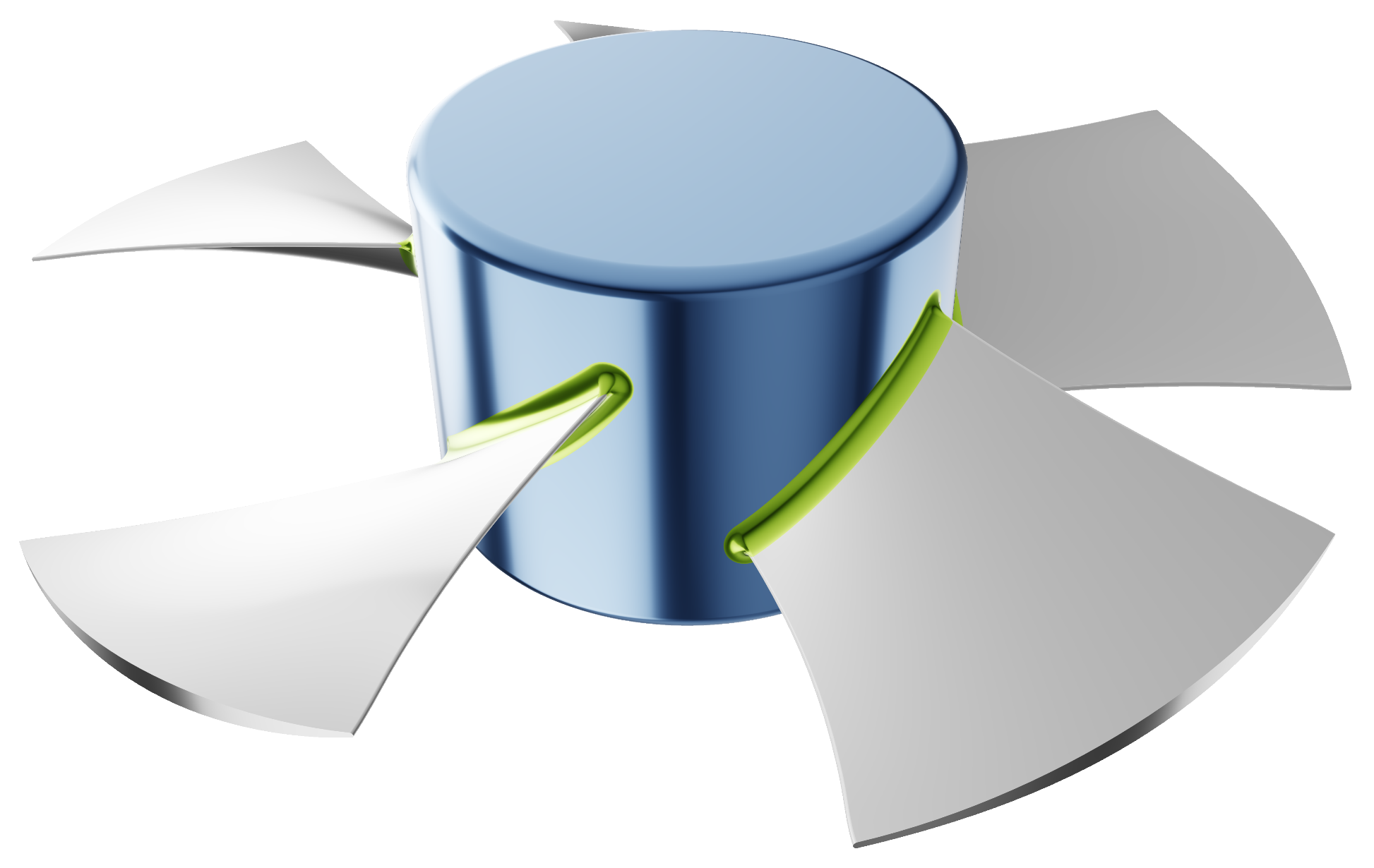
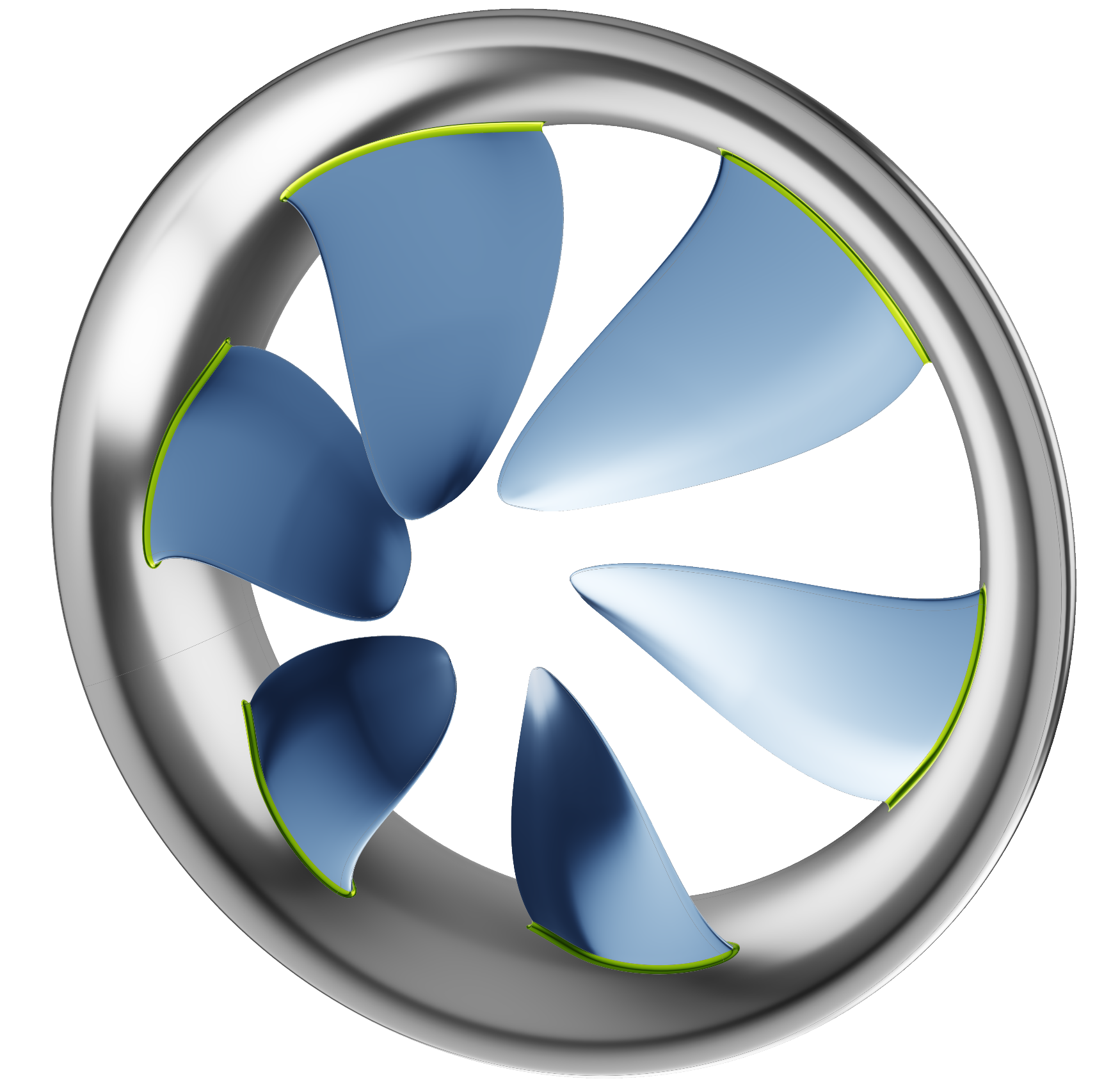
Axial fan
-
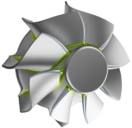
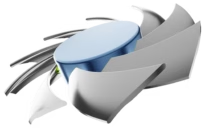
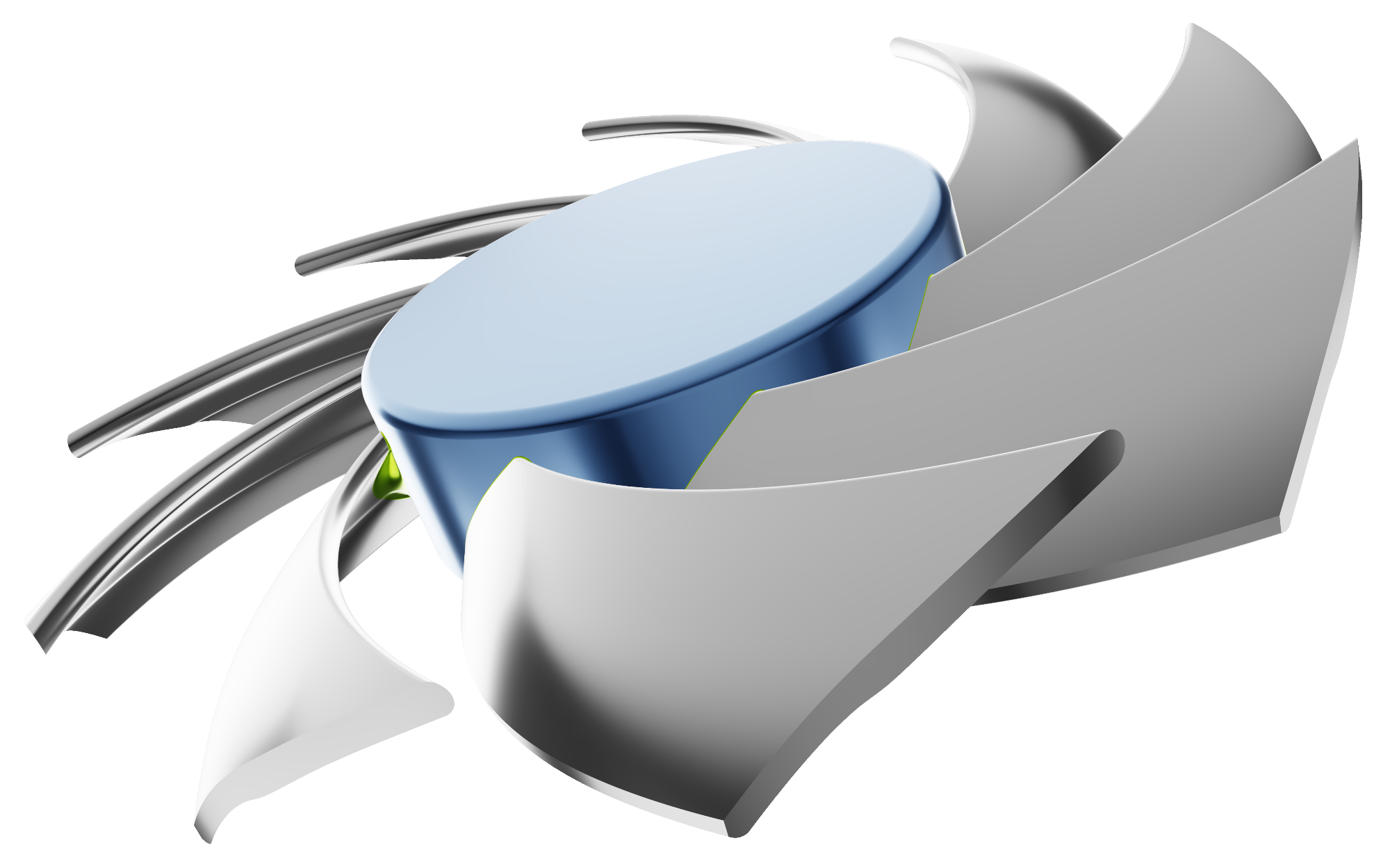
Axial fan with skew
-
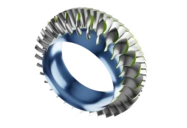
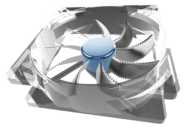
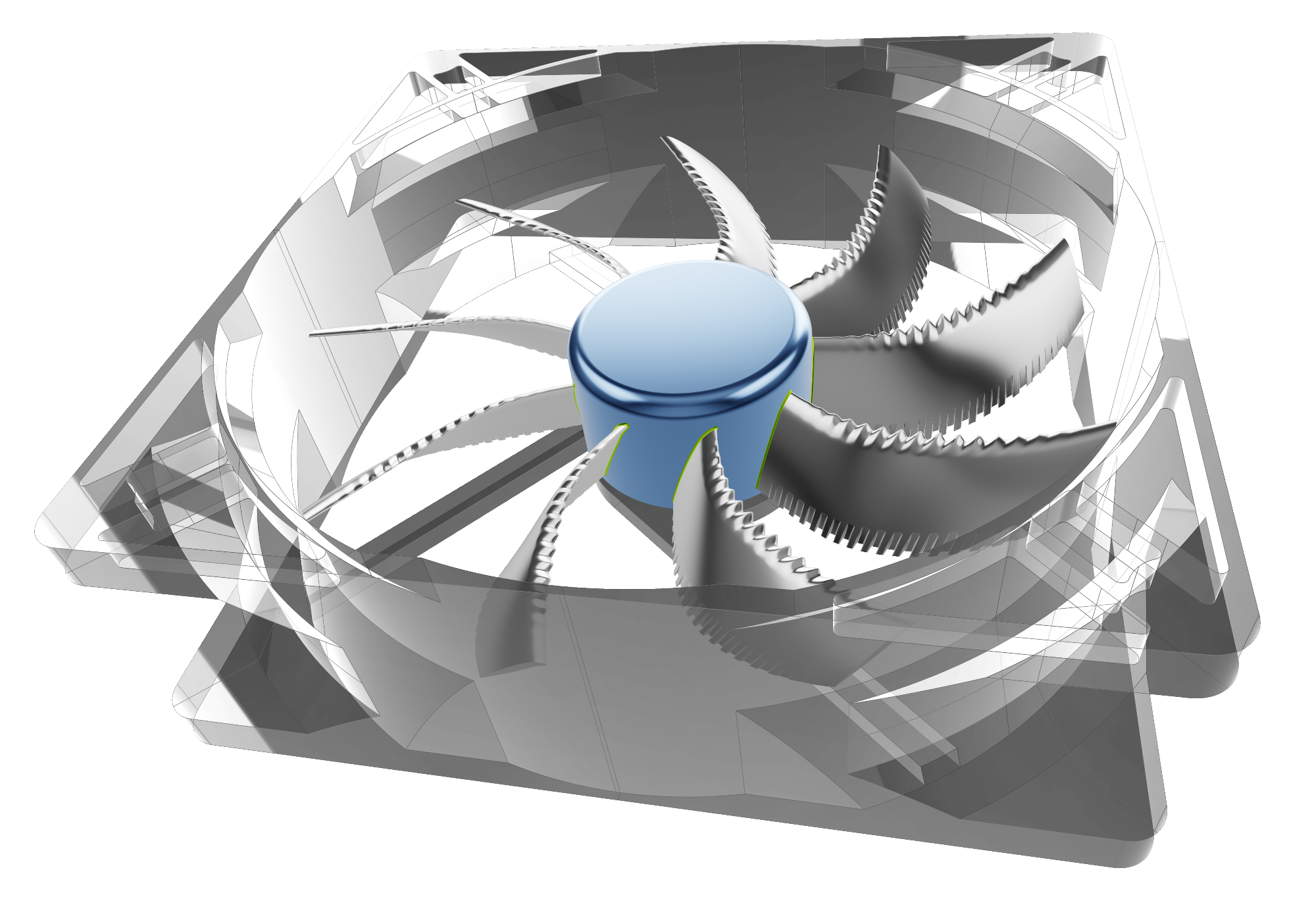
Compact fan with serrations
-
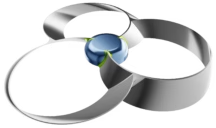
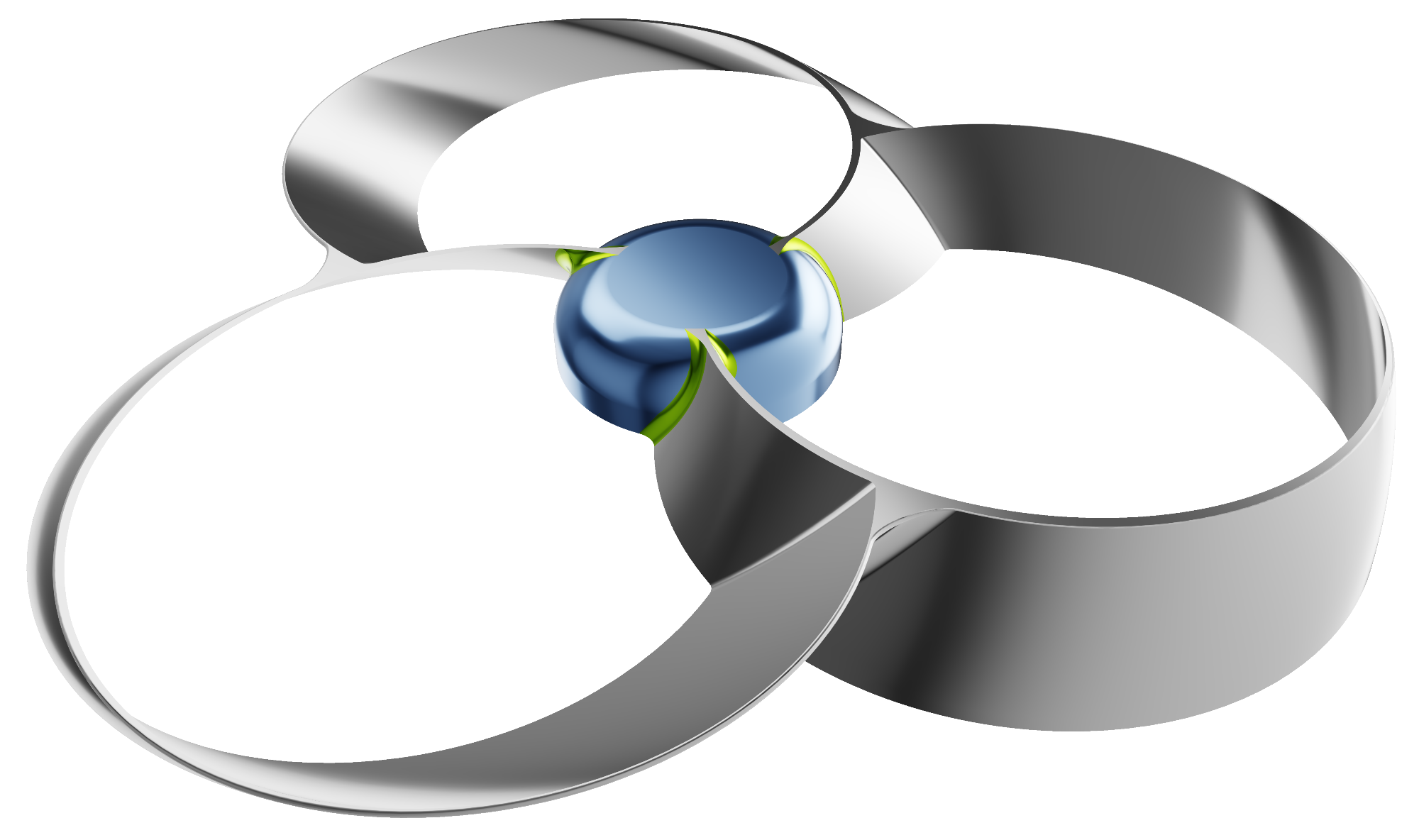
Toroidal fan
-
Stream turbine
-
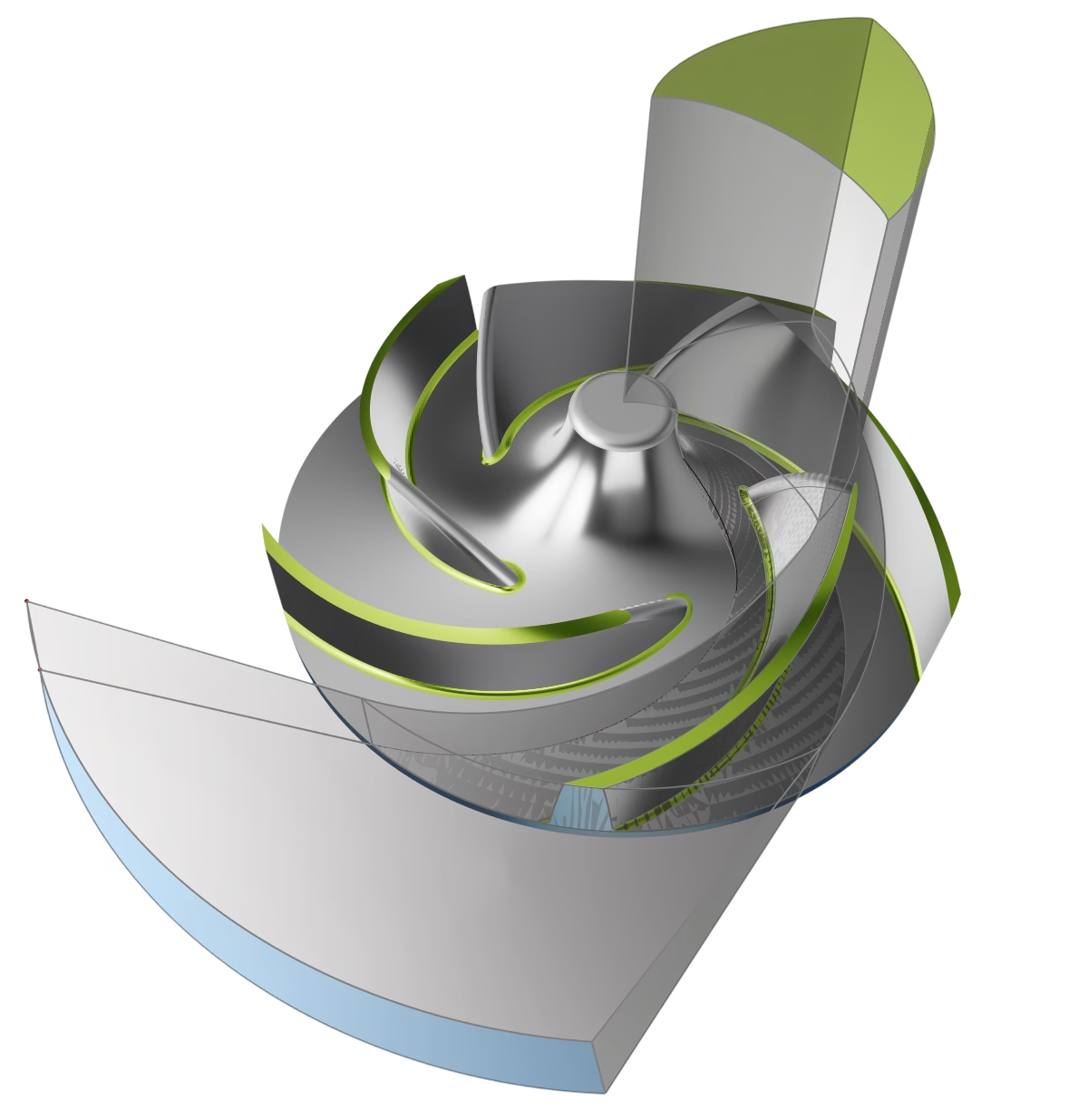
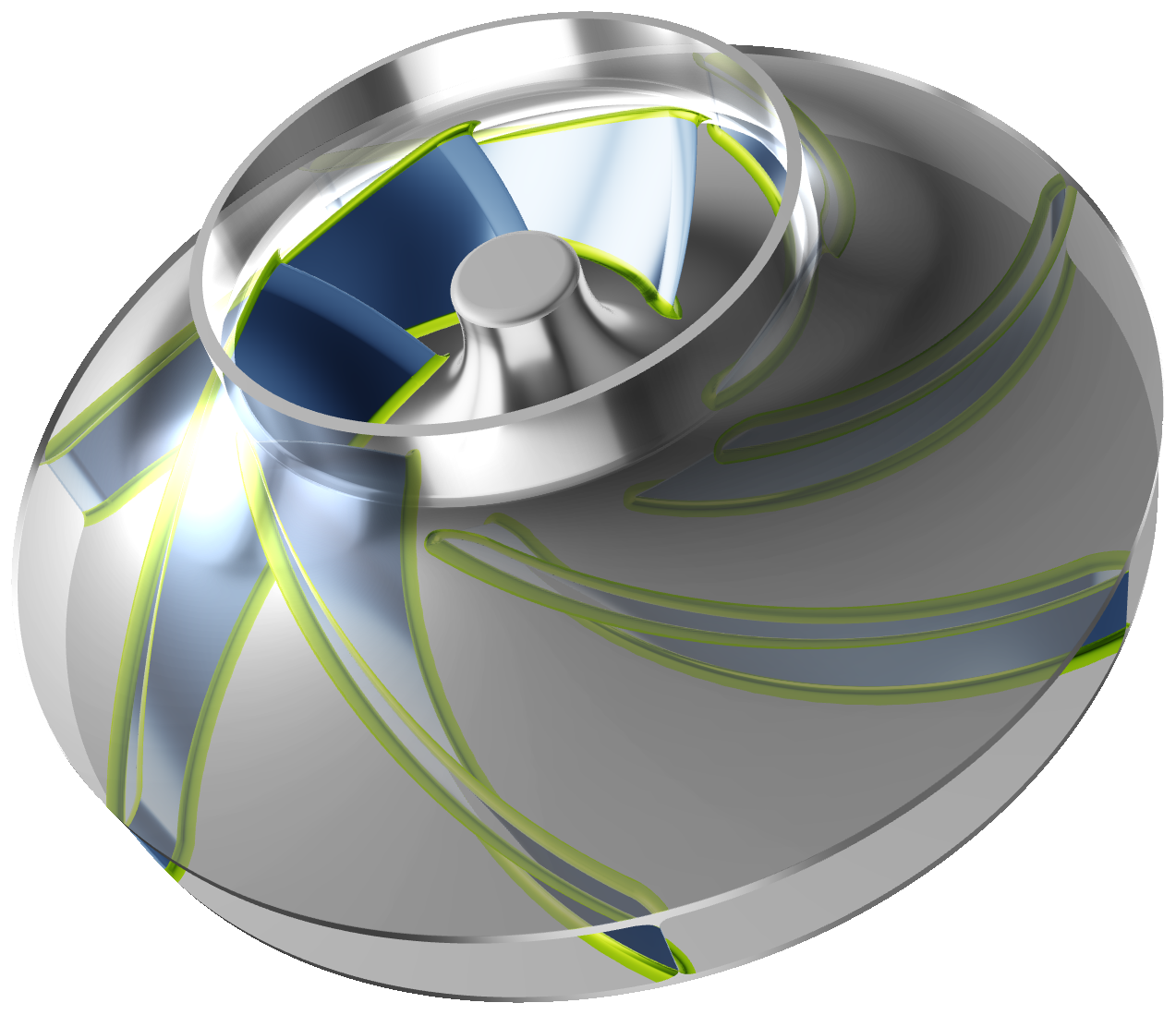
Impeller with flow domain
-
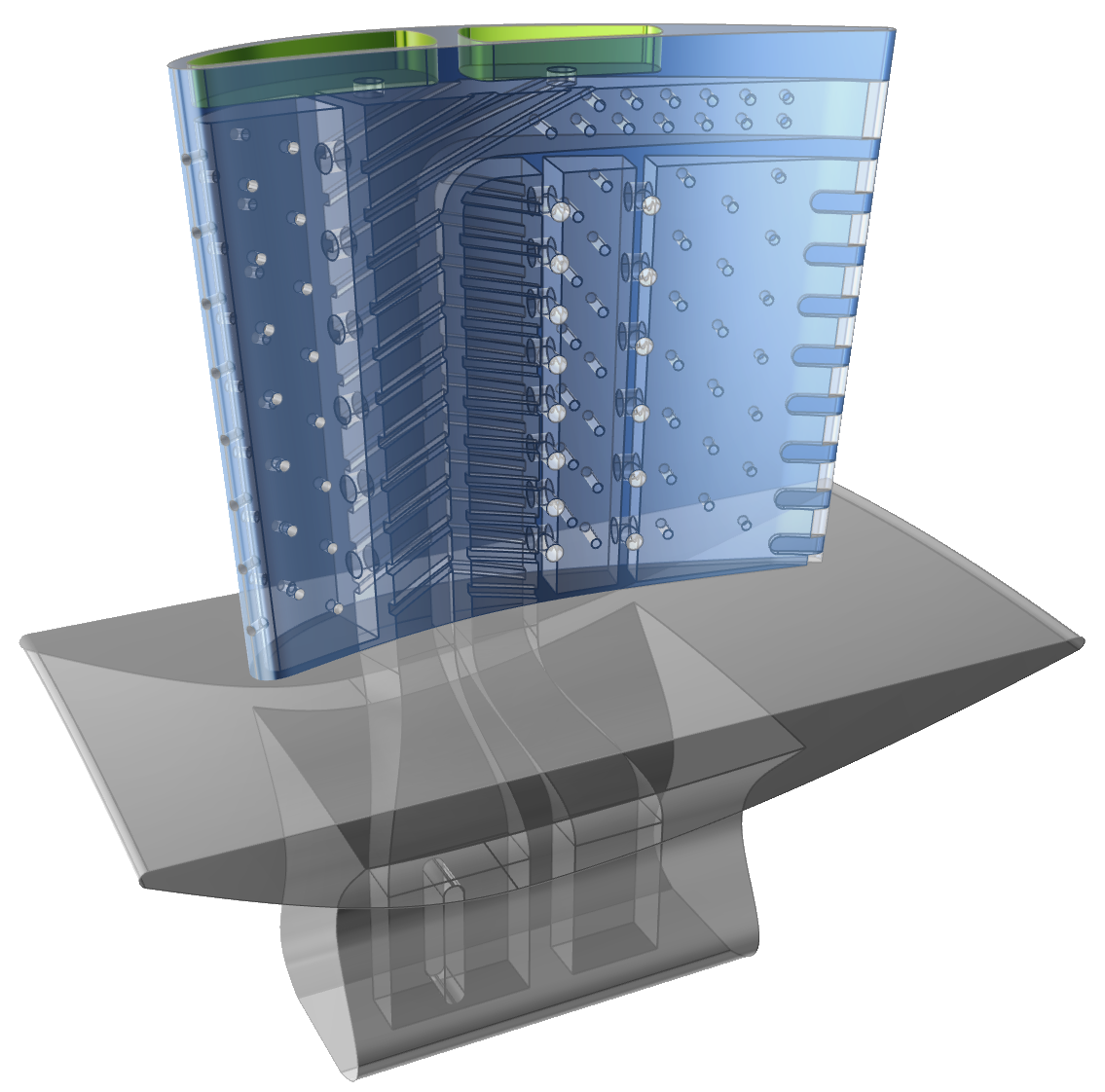
Blade with cooling channels
Volutes
See details-
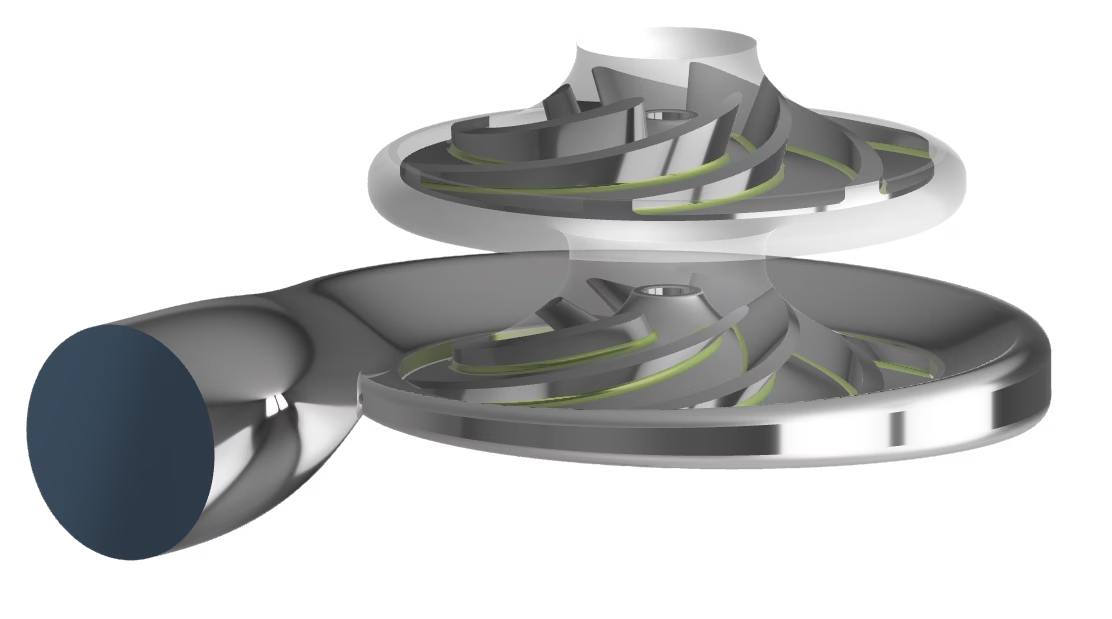
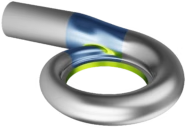
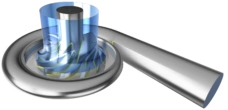
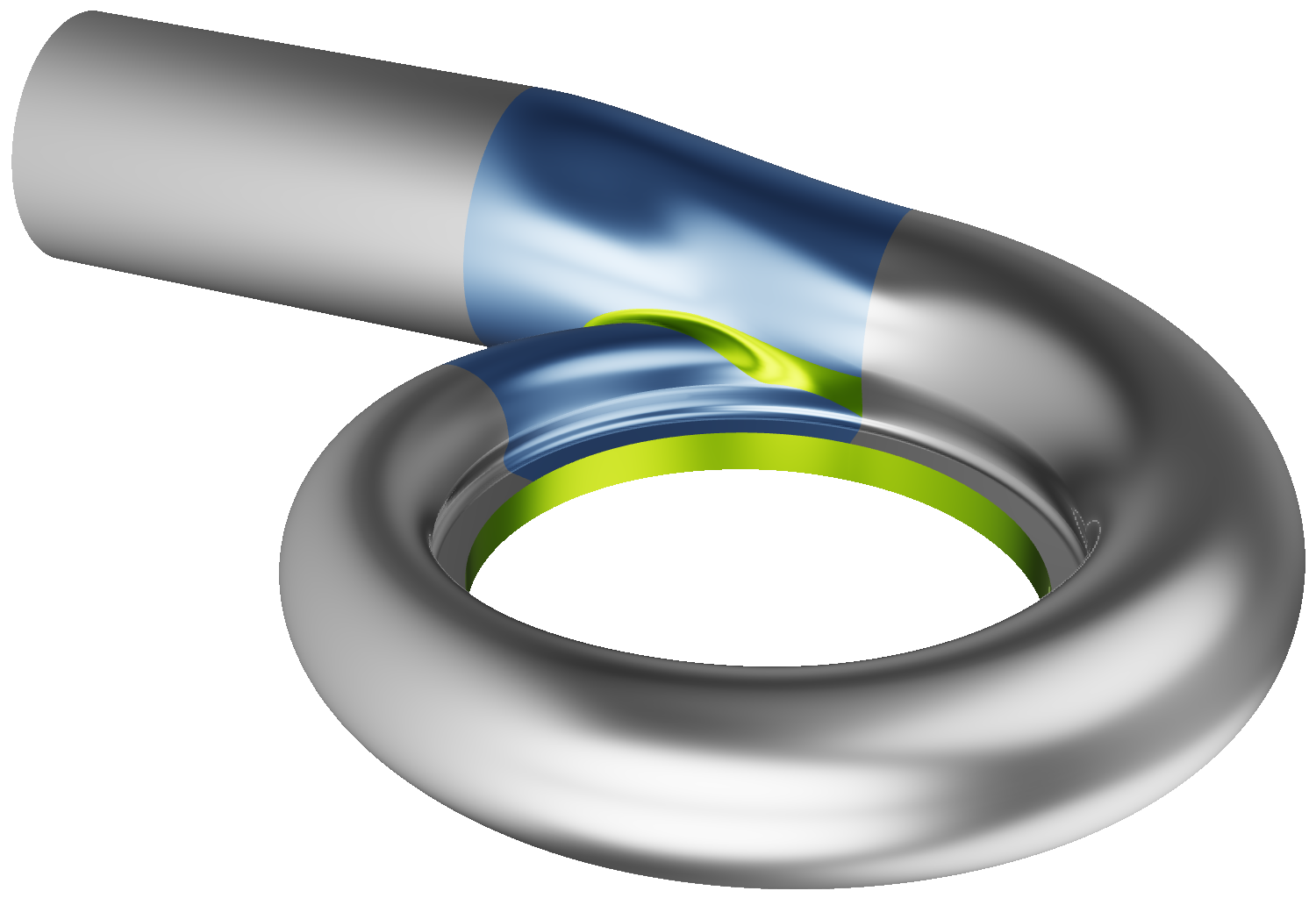
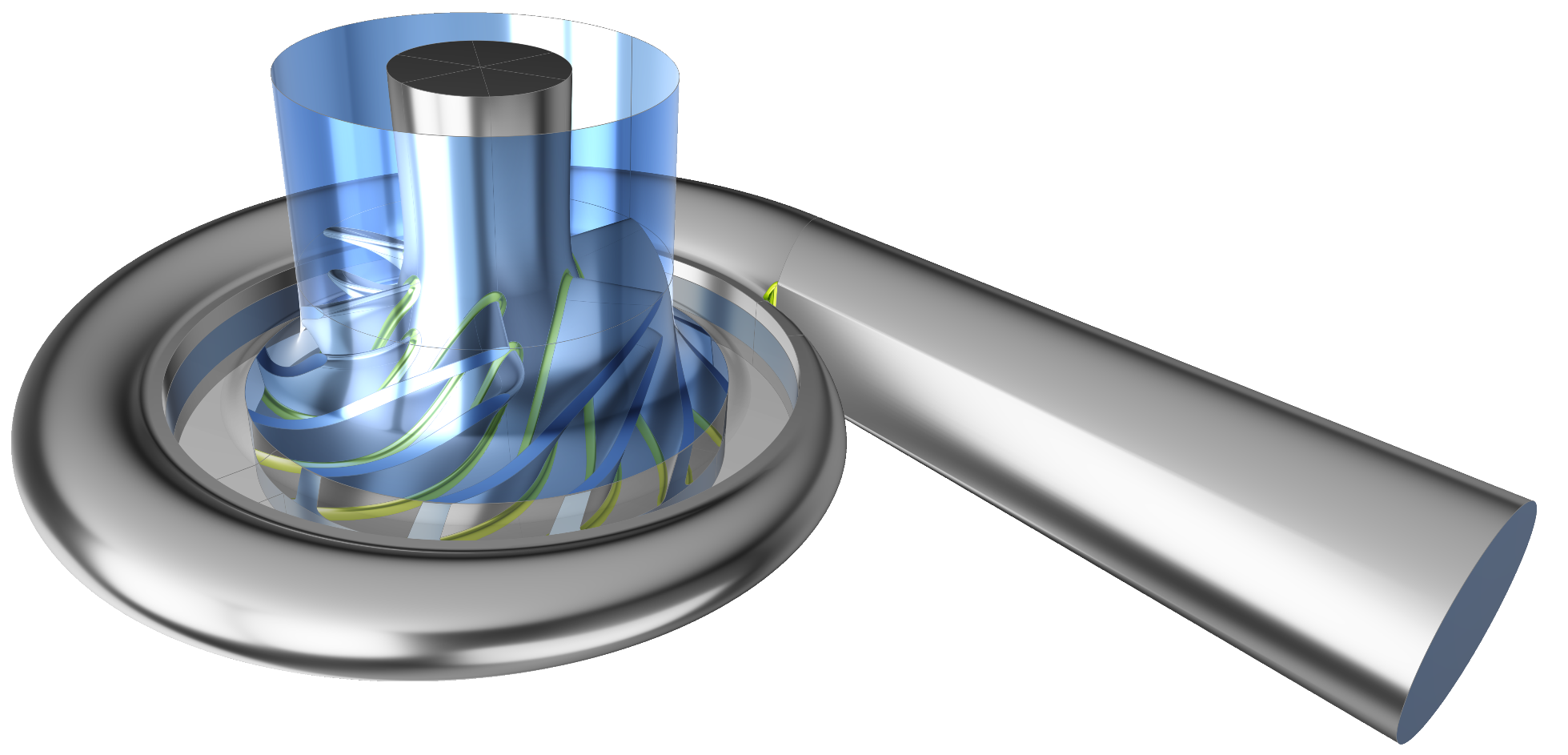
Single scroll volute
-
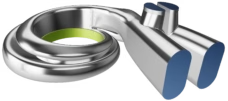
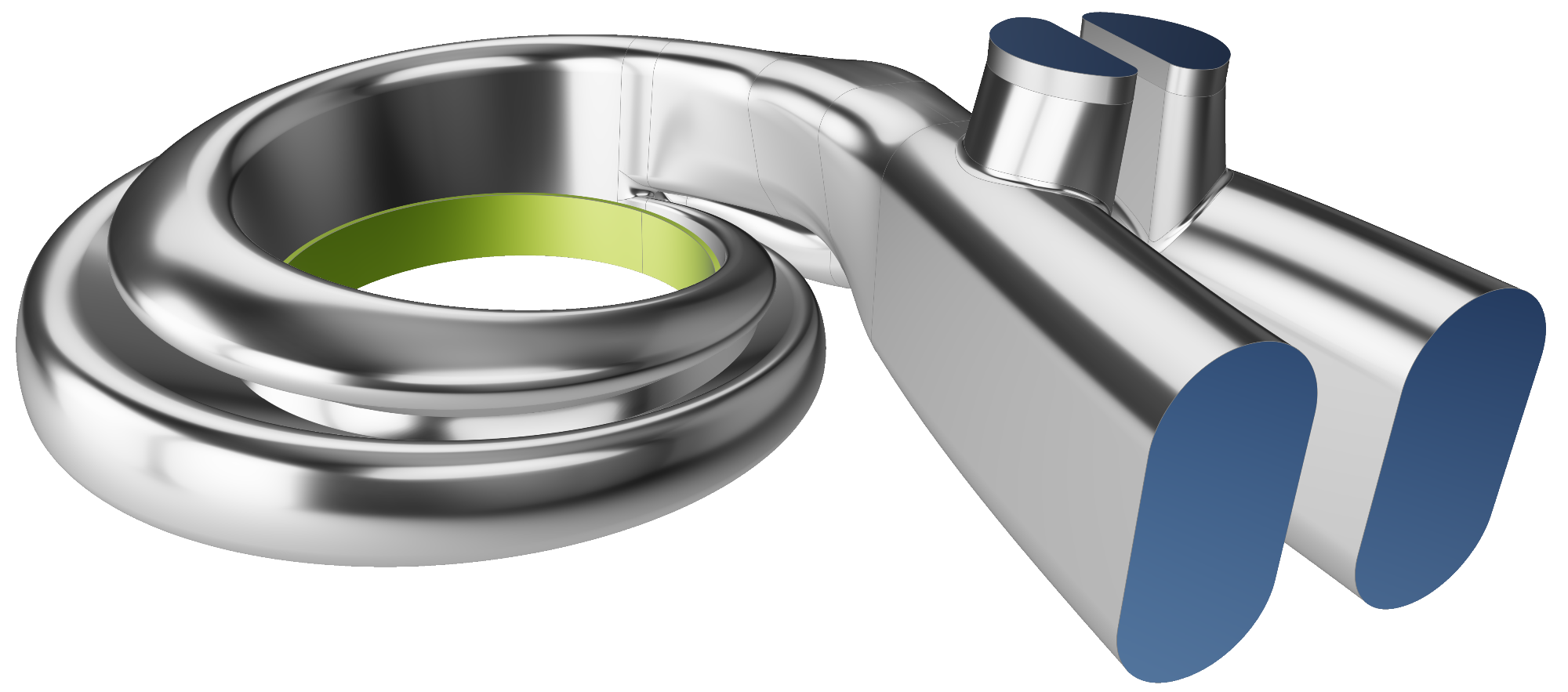
Twin scroll volute
-
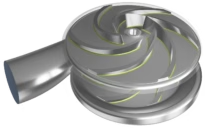
Compressor volute
-
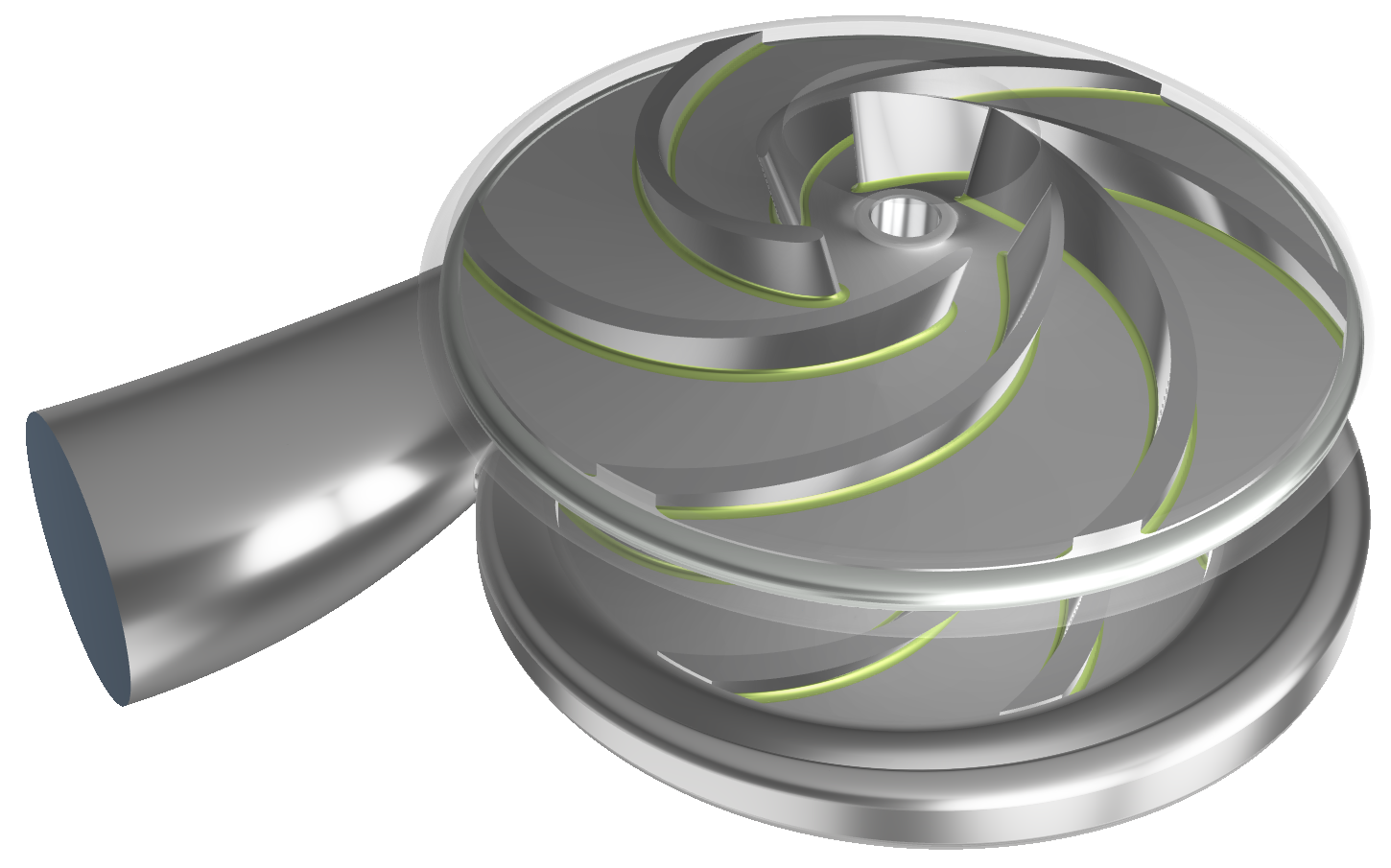
2-stage pump
-
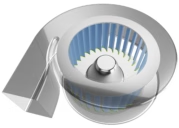
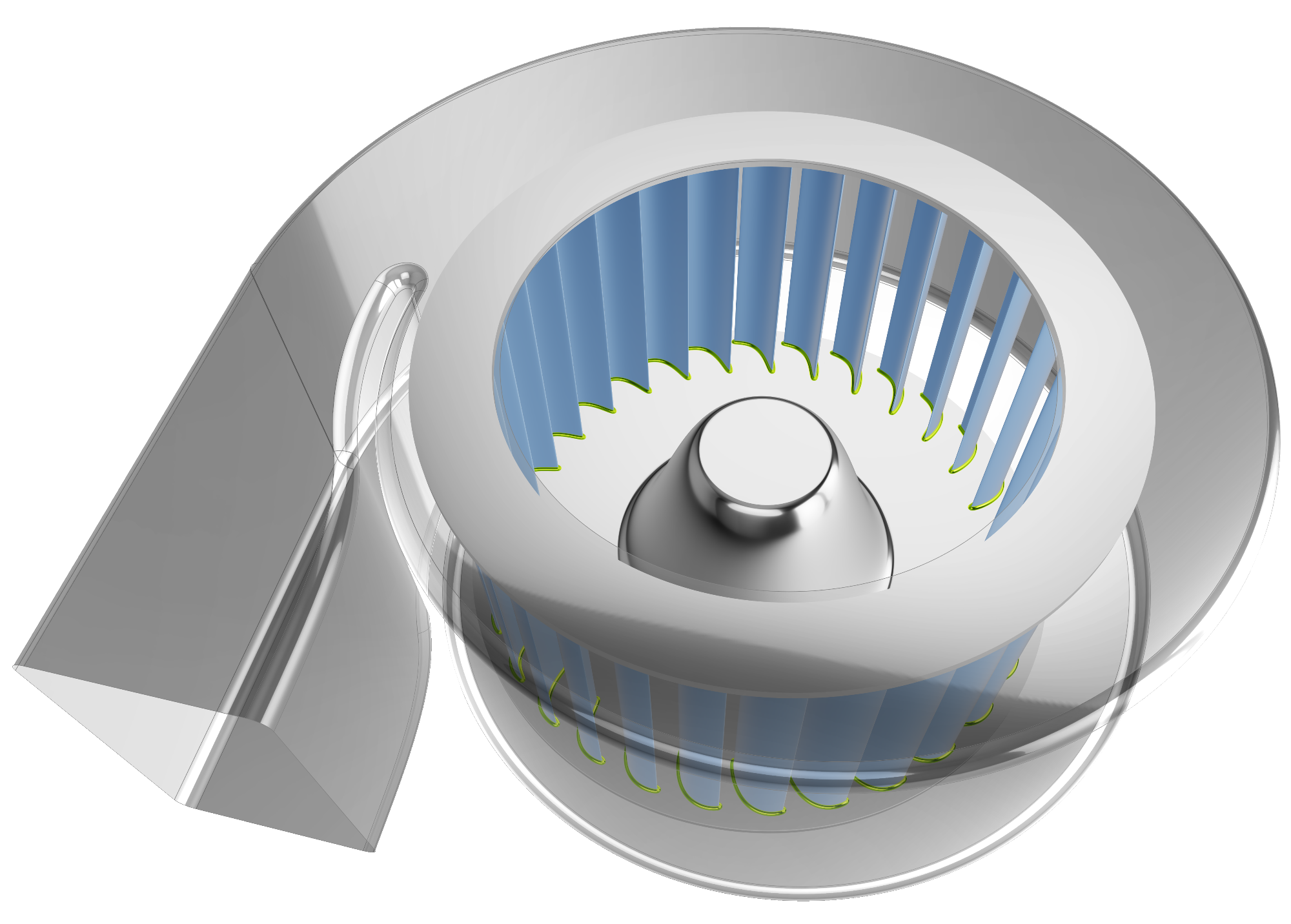
Squirrel cage fan
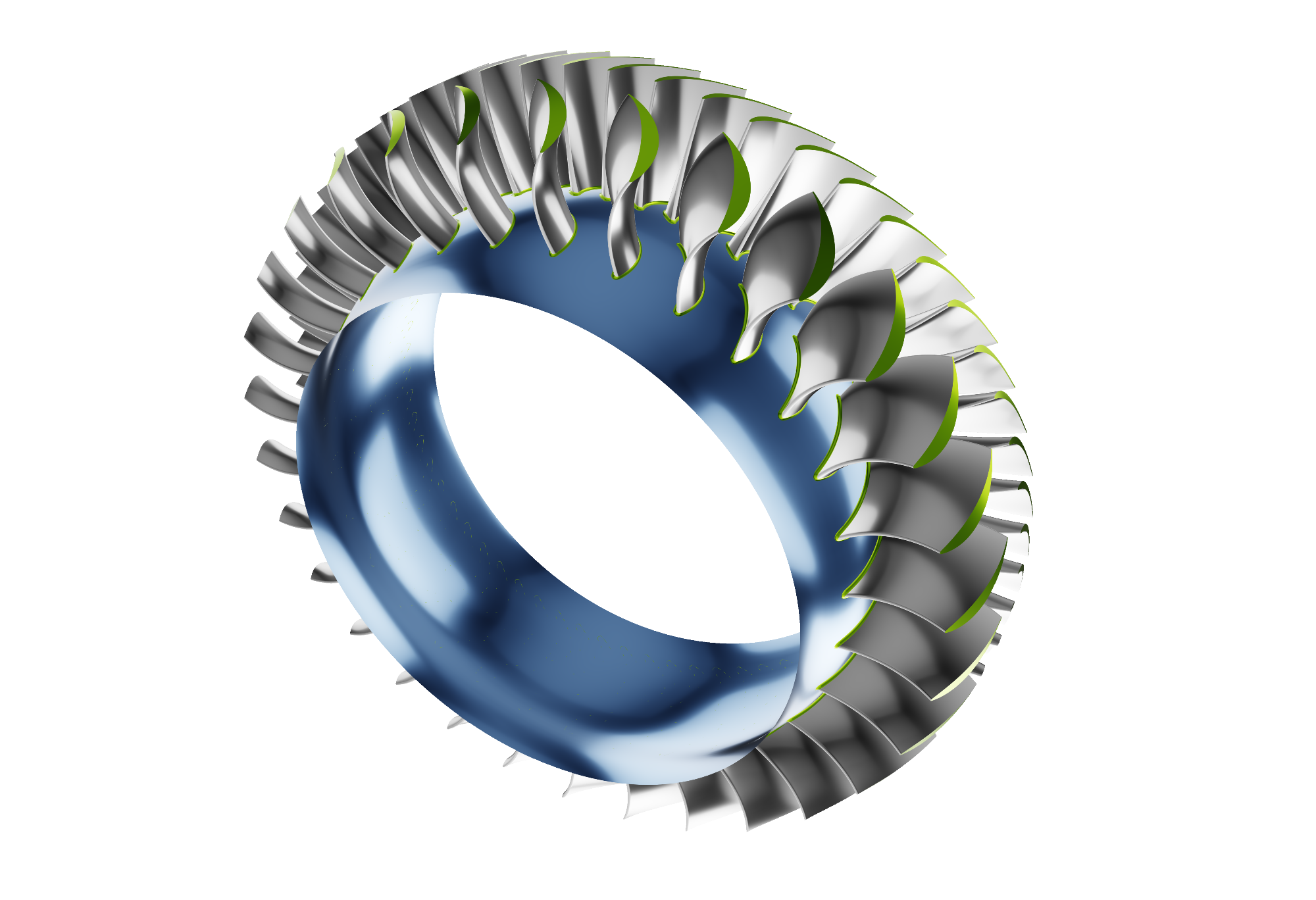
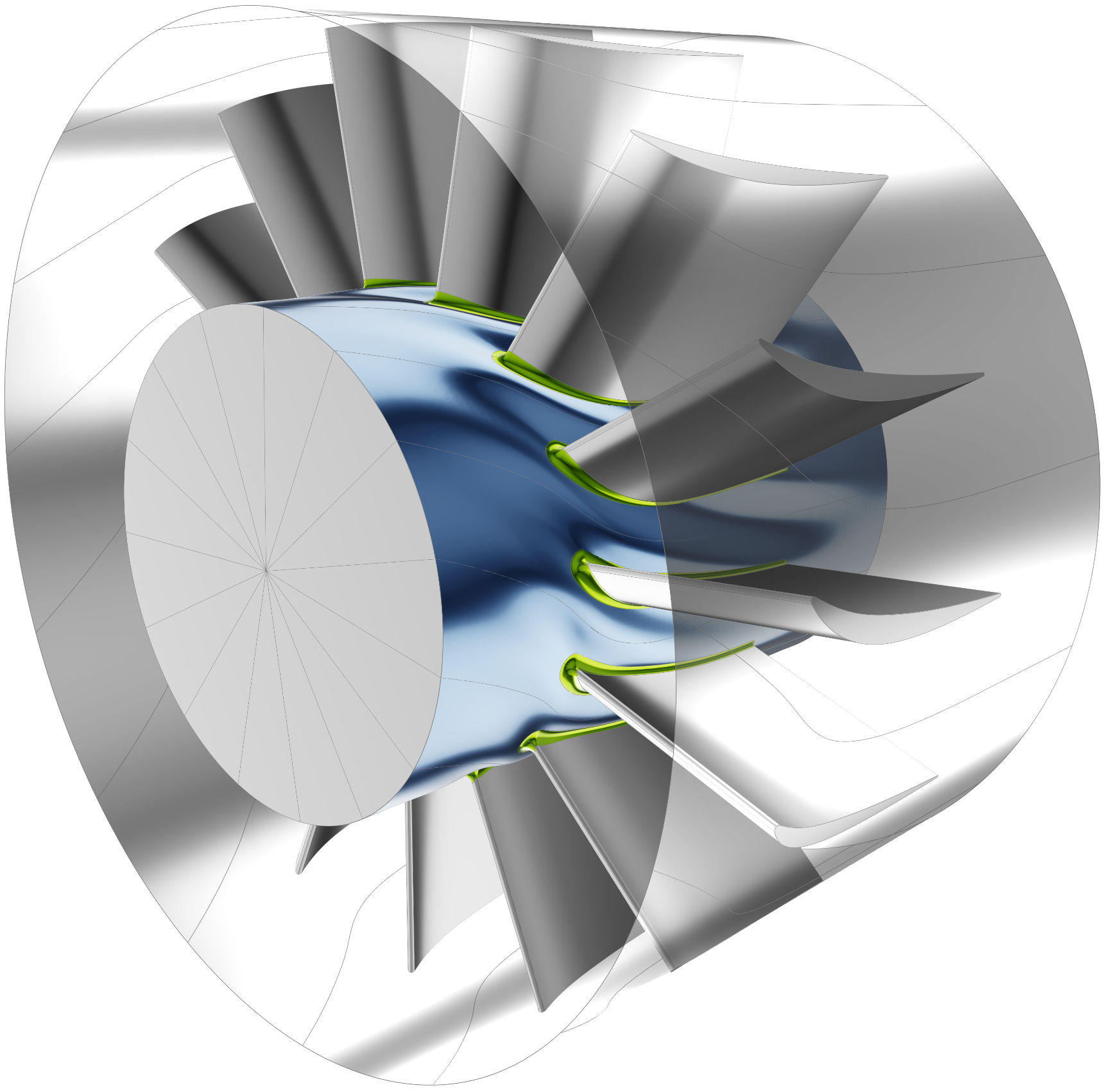
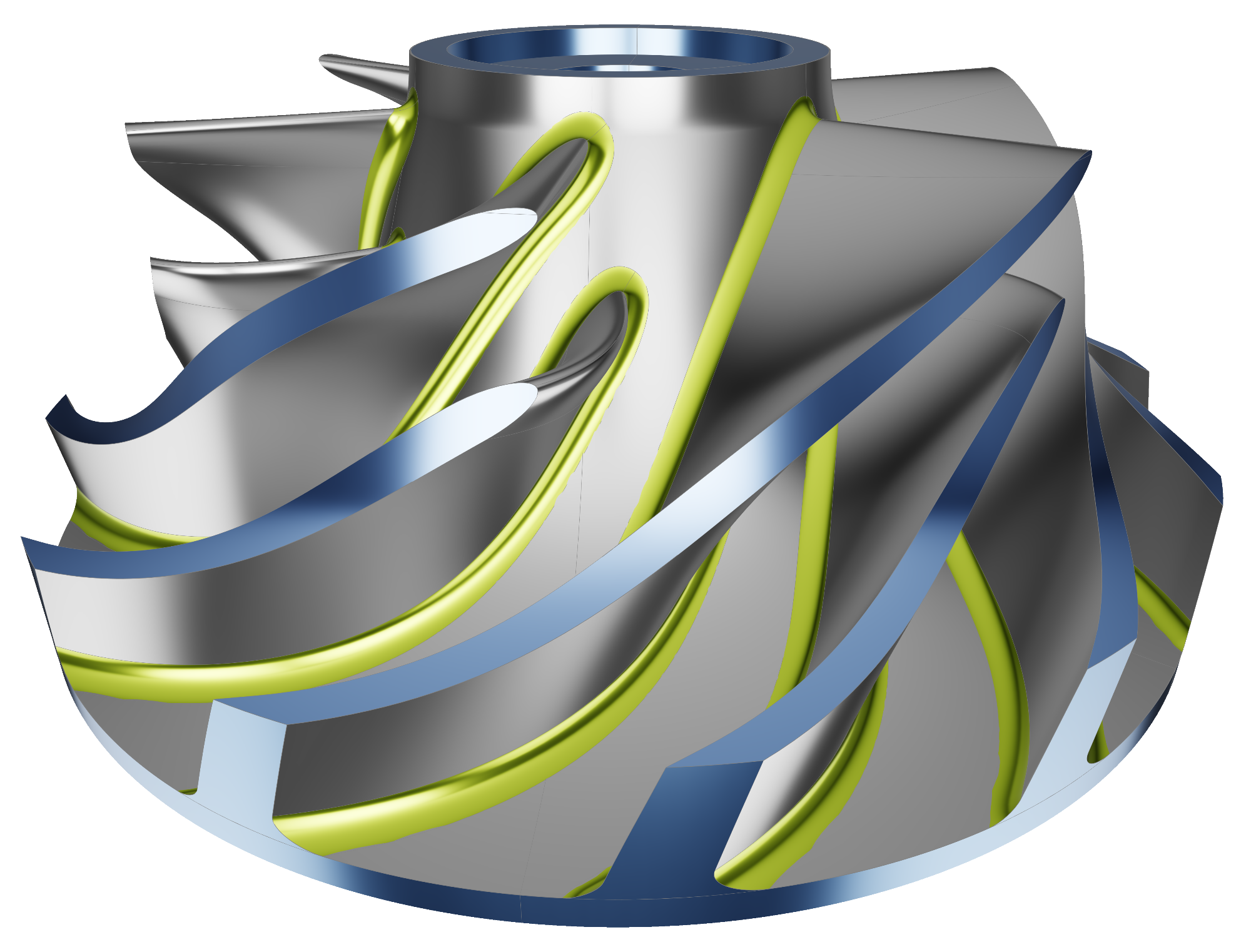
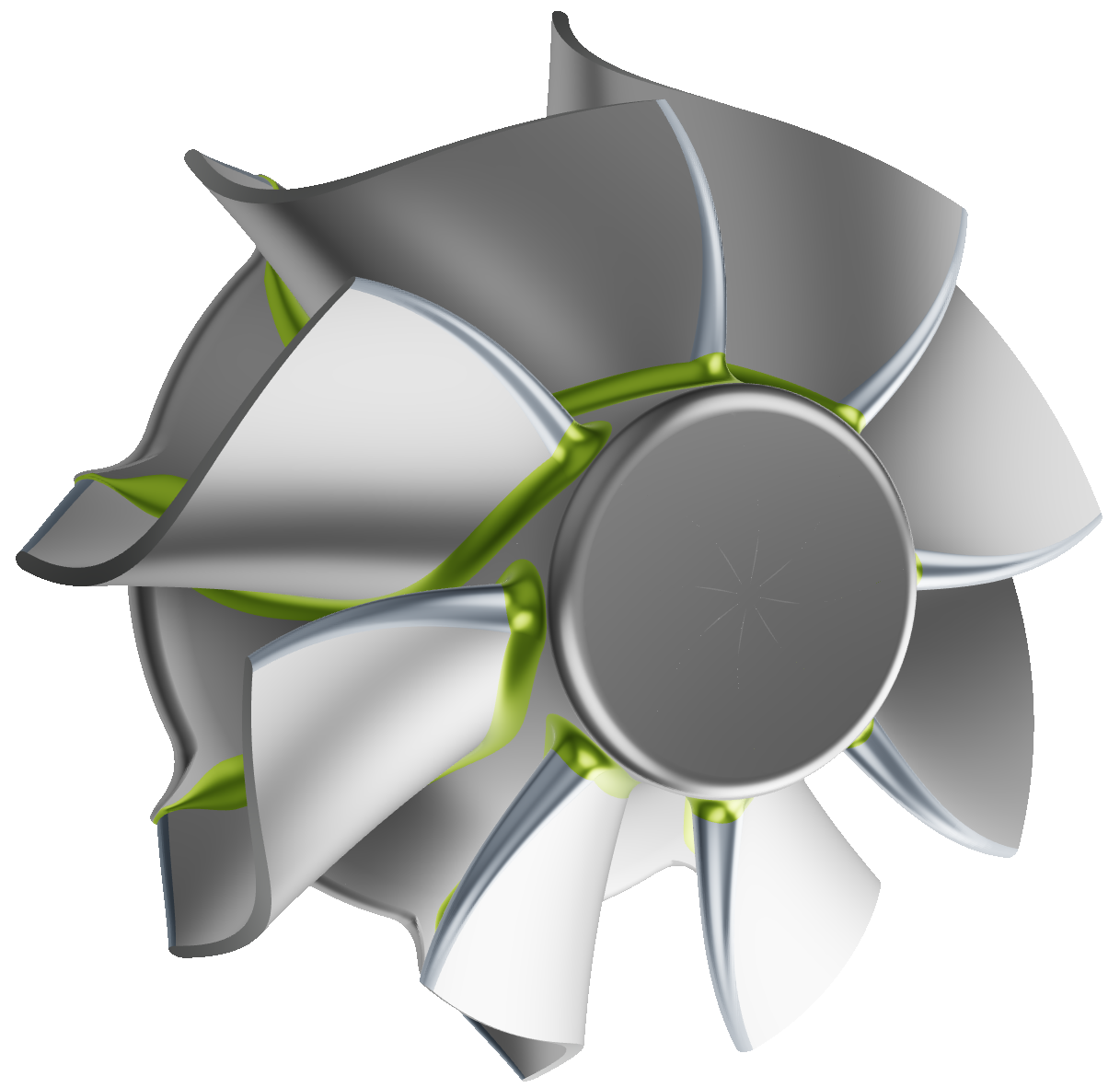
More applications
- Turbochargers
- Pumps
- Gas and steam turbines
- Compressors and expanders
- Aero engines
- Fans
- Hydro turbines
Would you like to discuss your application with us?
Contact usFAQs
How is CAESES used in turbomachinery design?
CAESES supports parametric blade design, flow path optimization, casing variation, and automated CFD workflows for compressors, turbines, pumps, and fans.
Why use parametric geometry for turbomachinery optimization?
Robust parameterization allows engineers to evaluate thousands of design alternatives automatically while maintaining high-quality geometry suitable for CFD meshing and manufacturing.
What is parametric geometry modeling?
Parametric geometry modeling allows engineers to control geometry using variables, rules, and dependencies. In CAESES, geometry automatically updates when parameters change, enabling rapid design exploration and optimization.
Can CAESES optimize centrifugal compressors and pumps?
Yes. Engineers use CAESES to optimize complete flow paths or individual components, such as impellers and volutes, while coupling geometry generation with CFD simulations and optimization algorithms to improve efficiency and operating range.