Aerospace
Design and optimization of aerospace systems
Create and optimize advanced aerodynamic shapes, leading to improved efficiency, performance, and innovation.
1,000+
Shape variations
100%
Associative geometry
10x
Faster iteration
Trusted by 150+ organizations in over 30 countries around the world
CAESES design capabilities for aerospace applications
Model & morph
Create fully parametric airframe, component, or propeller geometries – or rapidly modify imported geometries using advanced morphing techniques.
Vary & constrain
Generate robust design variations with minimal failures while automatically respecting manufacturing or structural constraints.
Export & connect
Export geometries in multiple CFD-ready formats and seamlessly connect CAESES with external simulation and calculation tools.
Optimize
Explore and improve designs using integrated DoE, optimization algorithms, data management, and post-processing capabilities.
Integrate
Automate and customize workflows through full scripting support and easy integration with third-party optimizers and tools.
Insight
Leverage advanced analytics and machine learning to uncover trends, accelerate learning, and make data-driven design decisions.
Typical aerospace applications
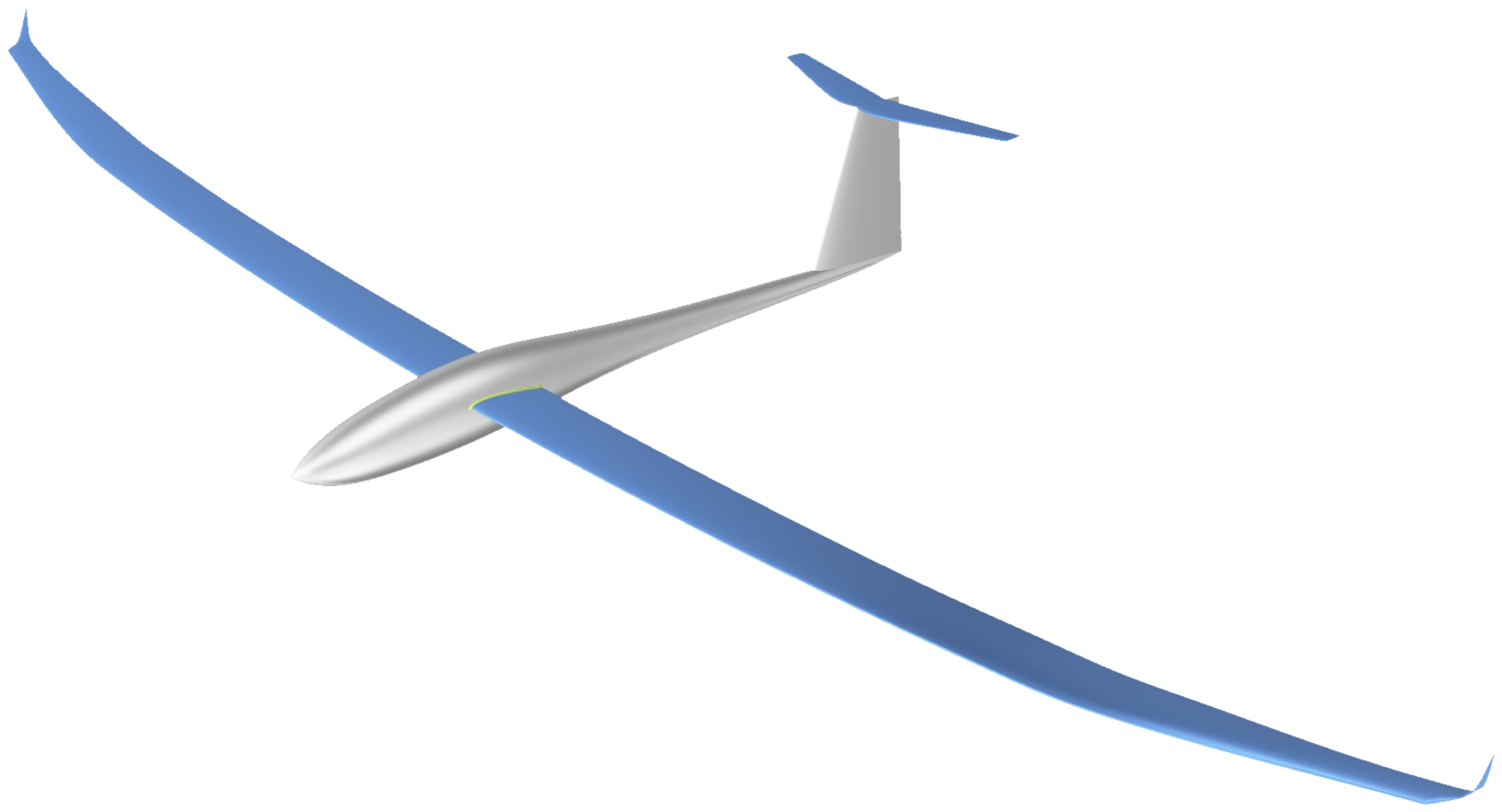
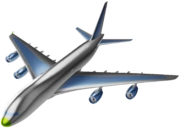
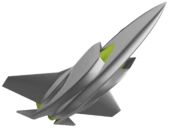
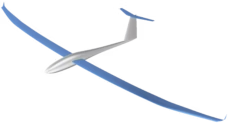
Airframes
-
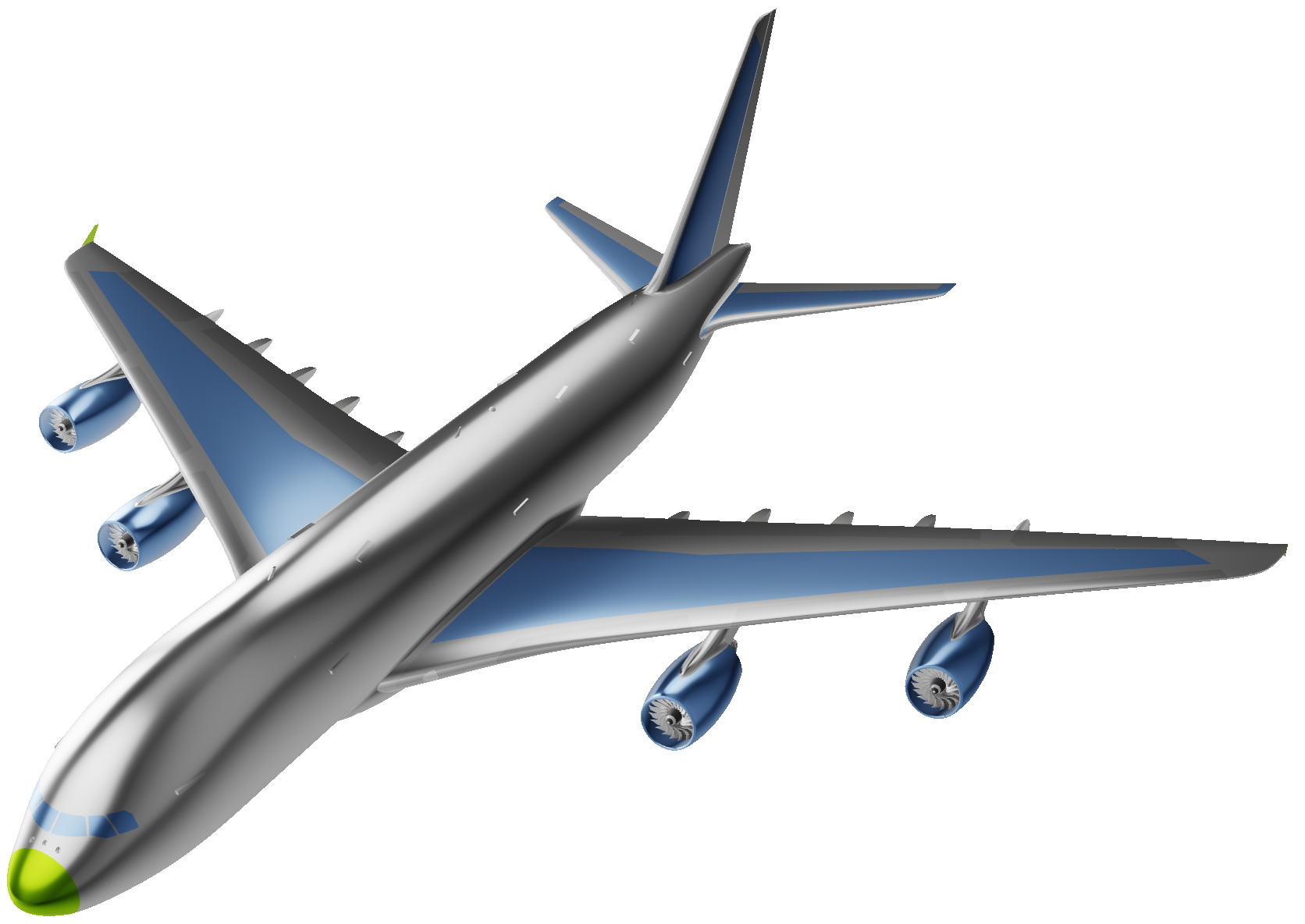
Airliner
-
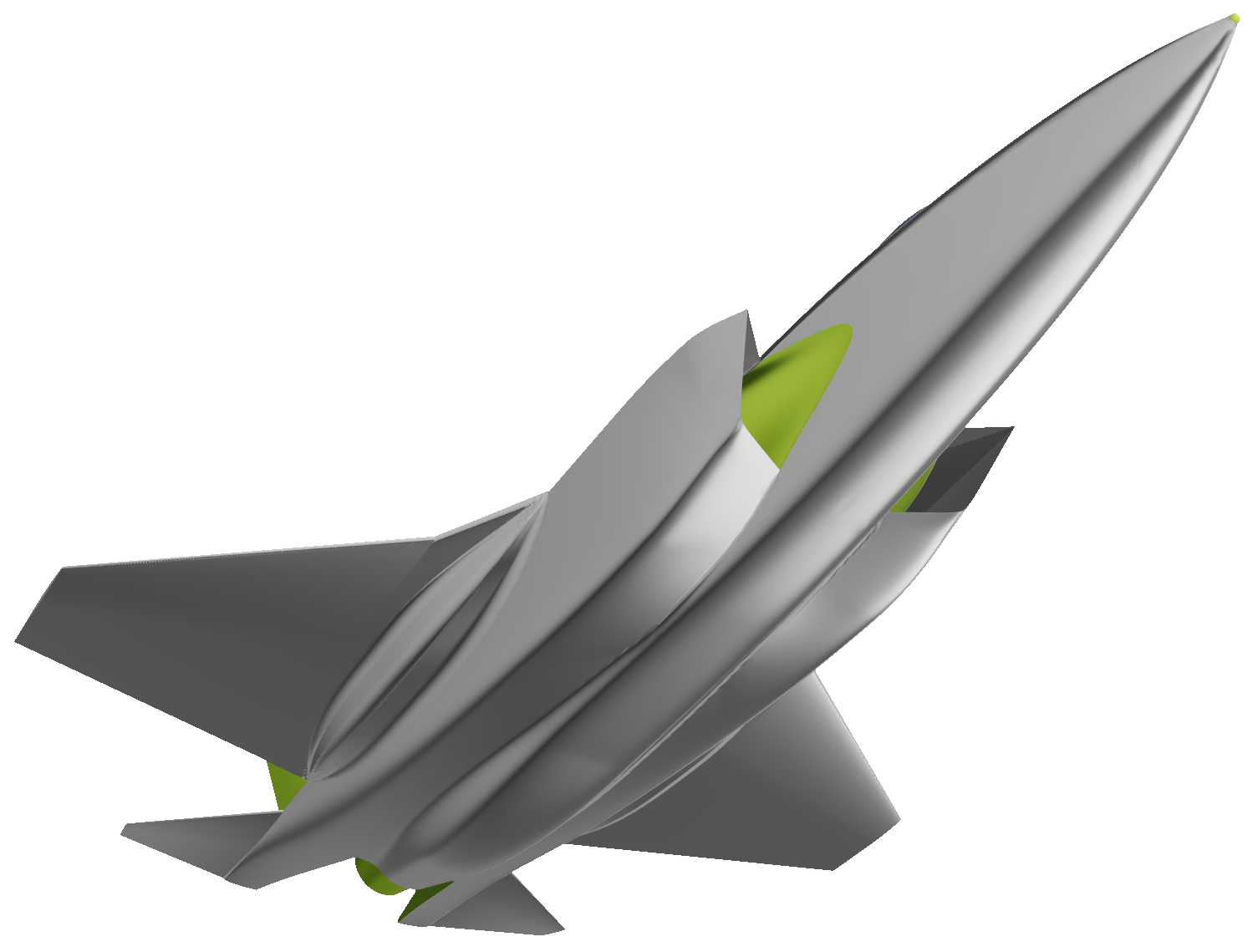
Fighter jet
-
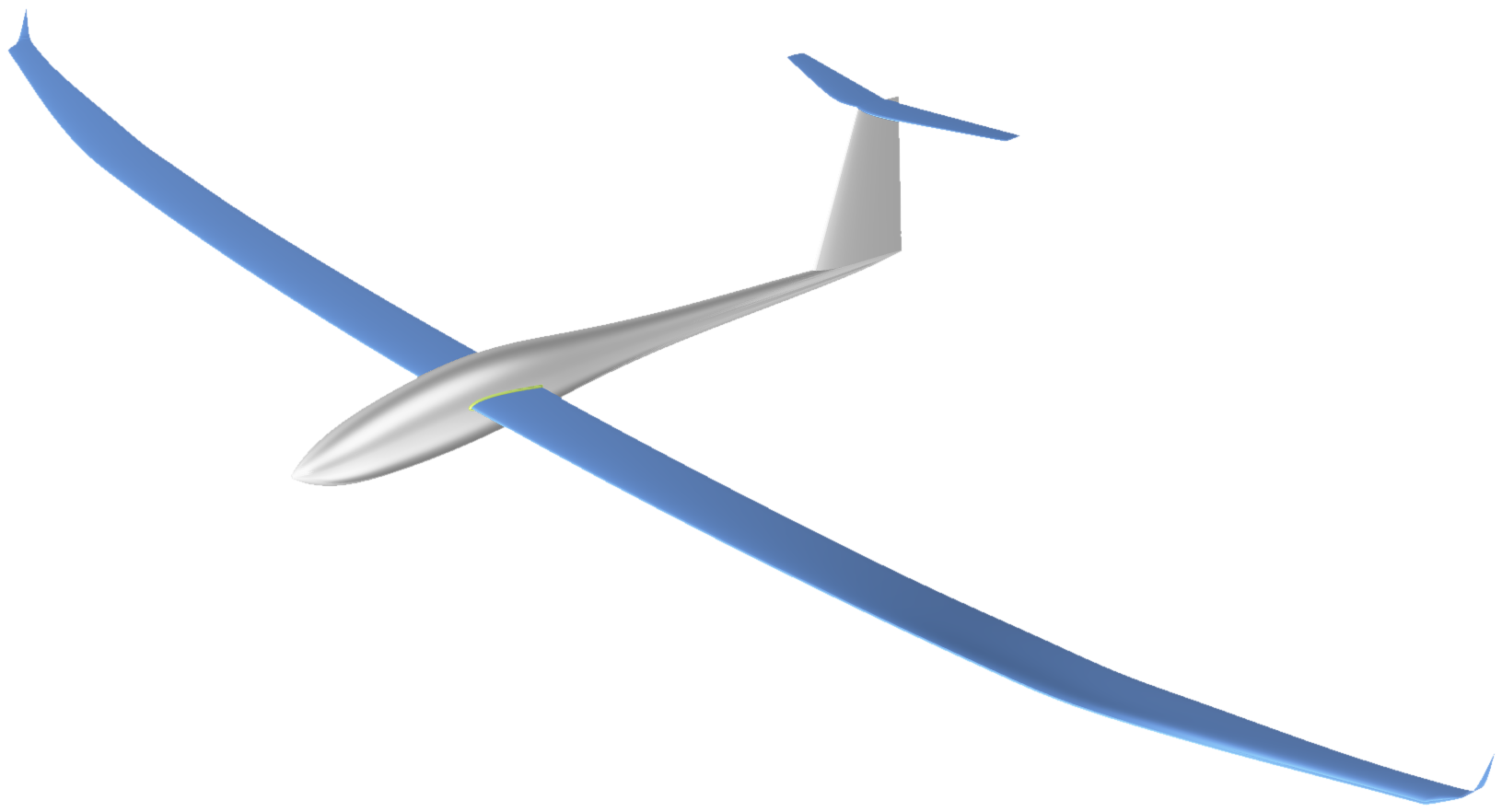
Glider
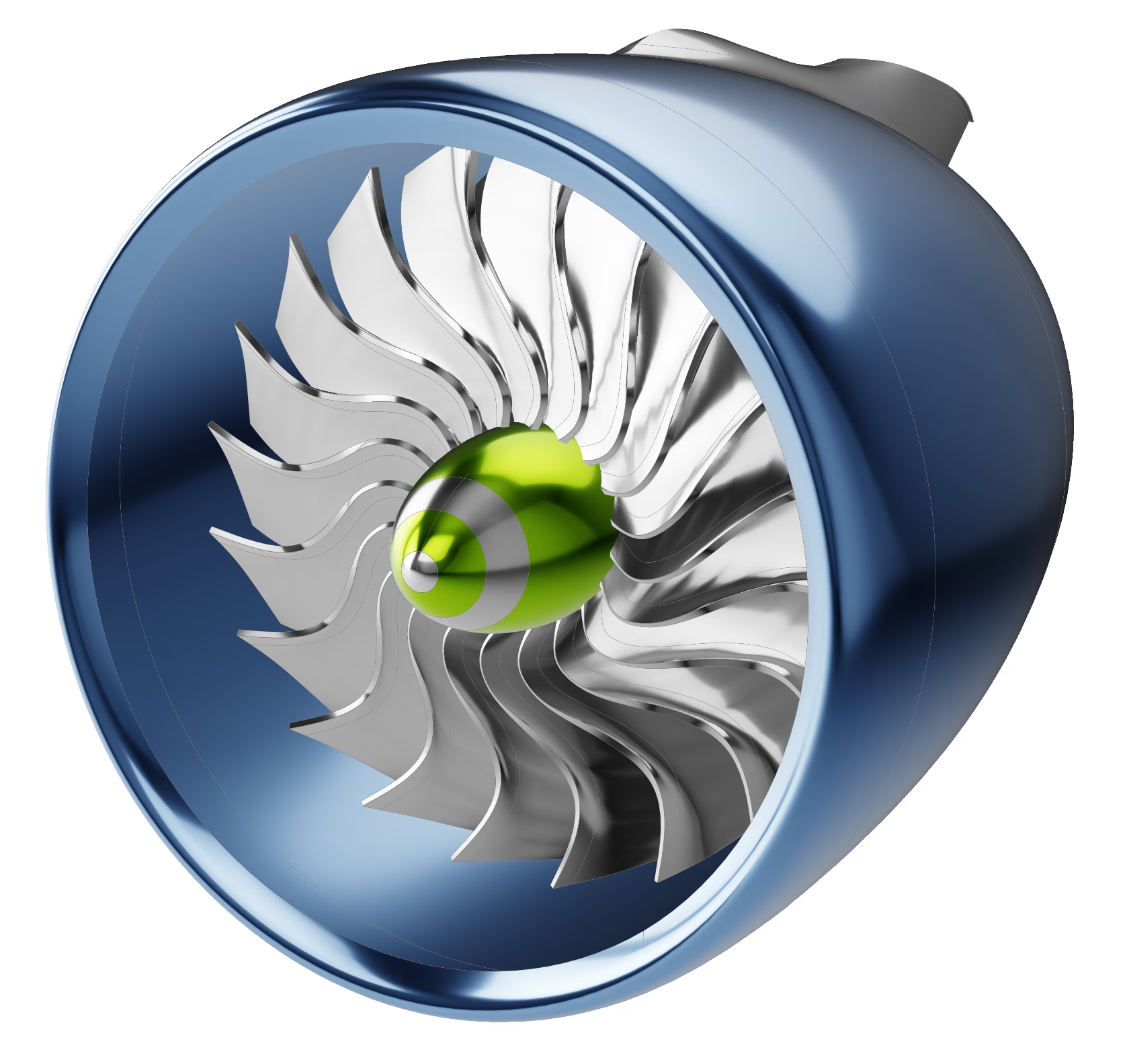
Aero engines
See details-
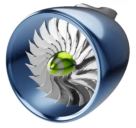
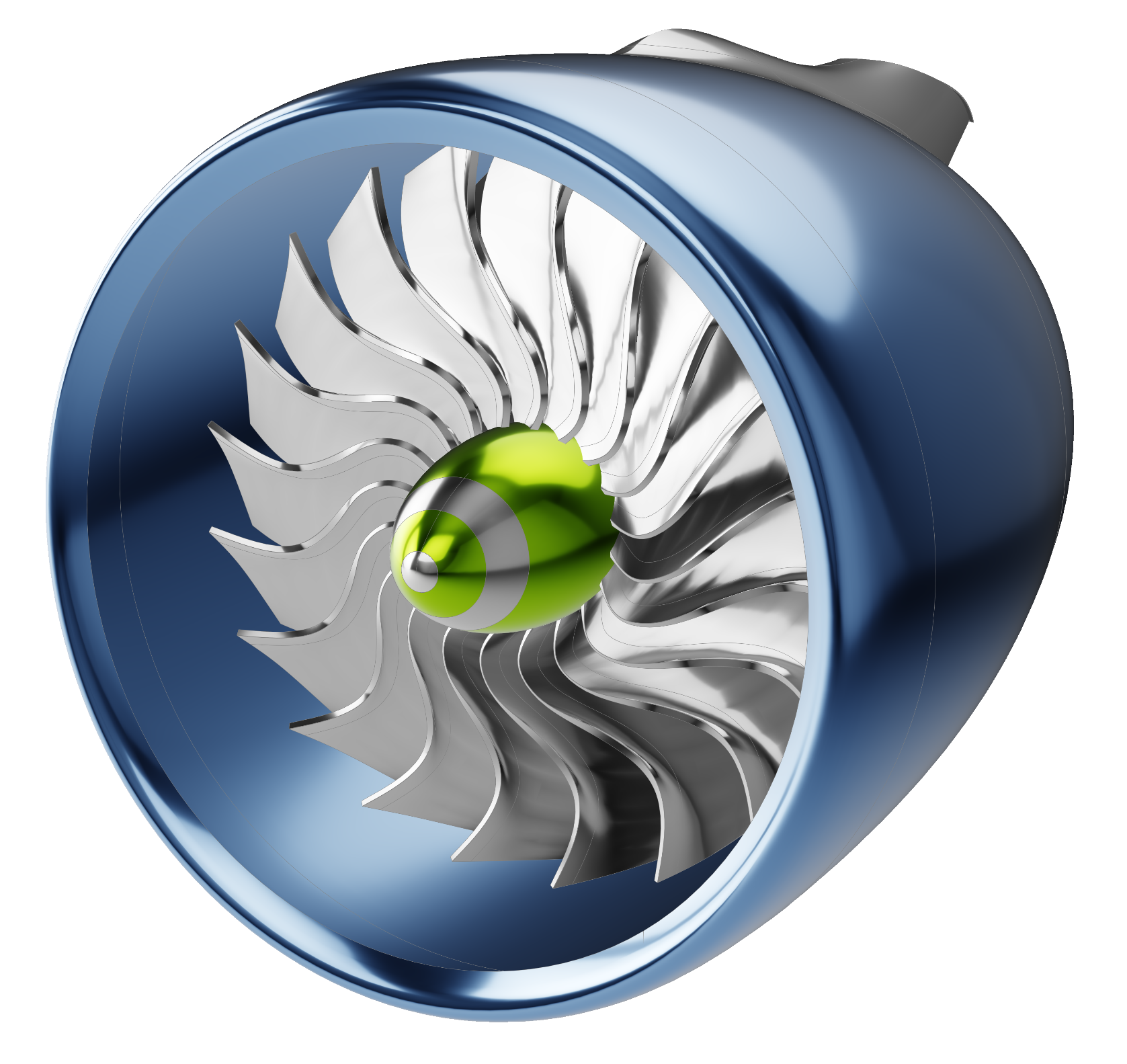
Turbofan
-
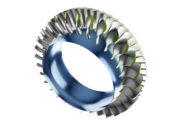
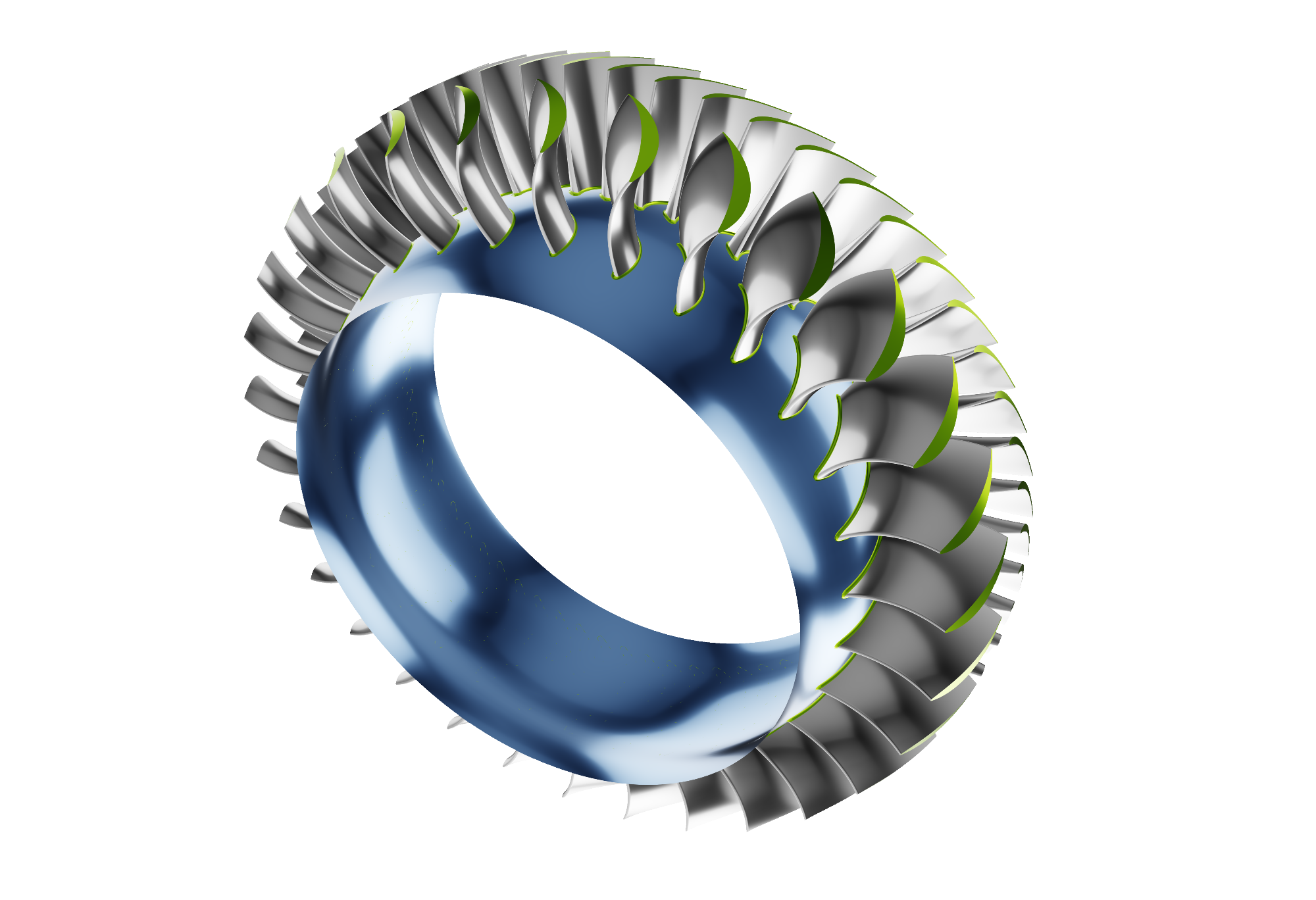
Turbine stage
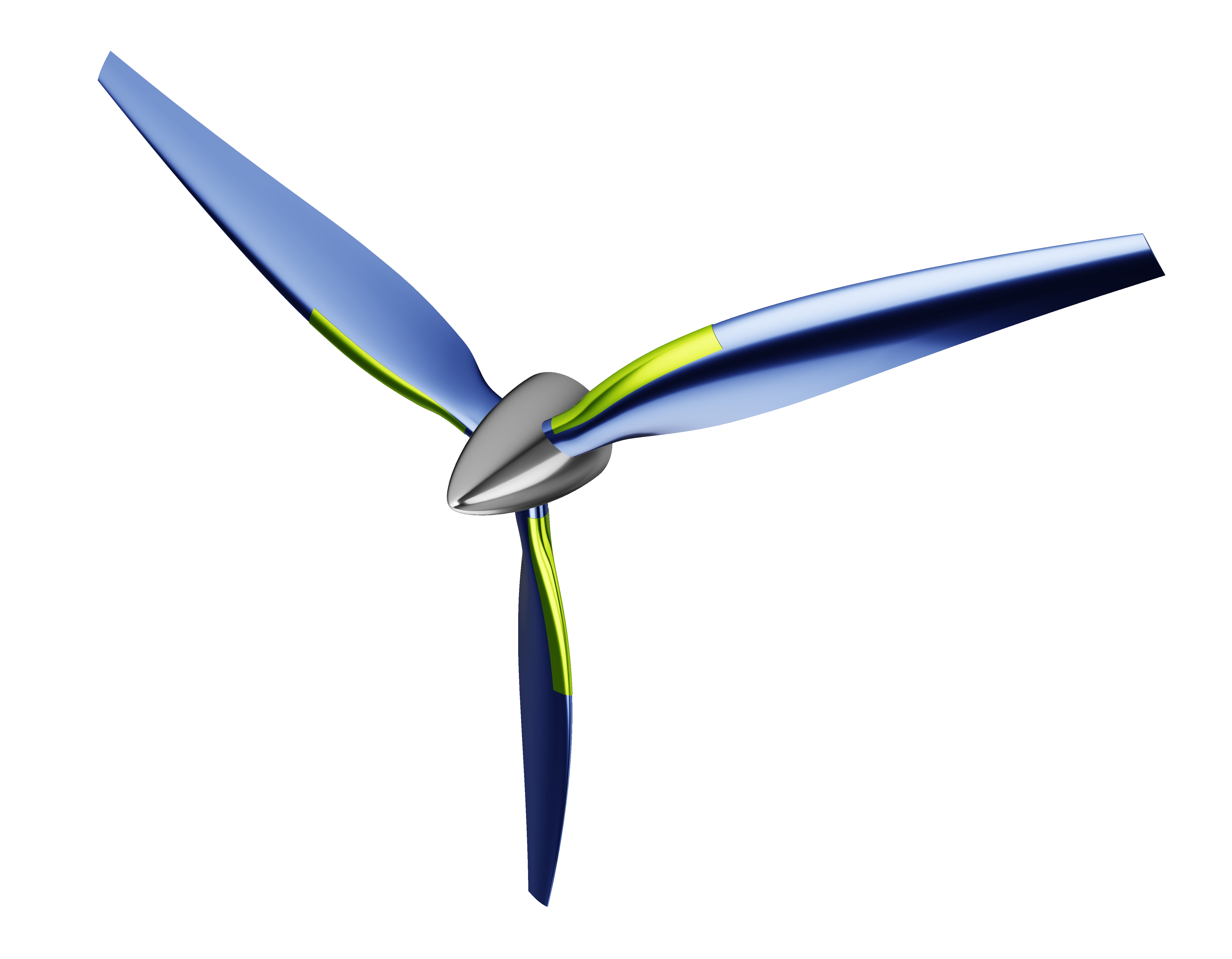
Propellers
-
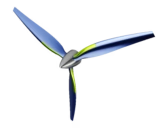
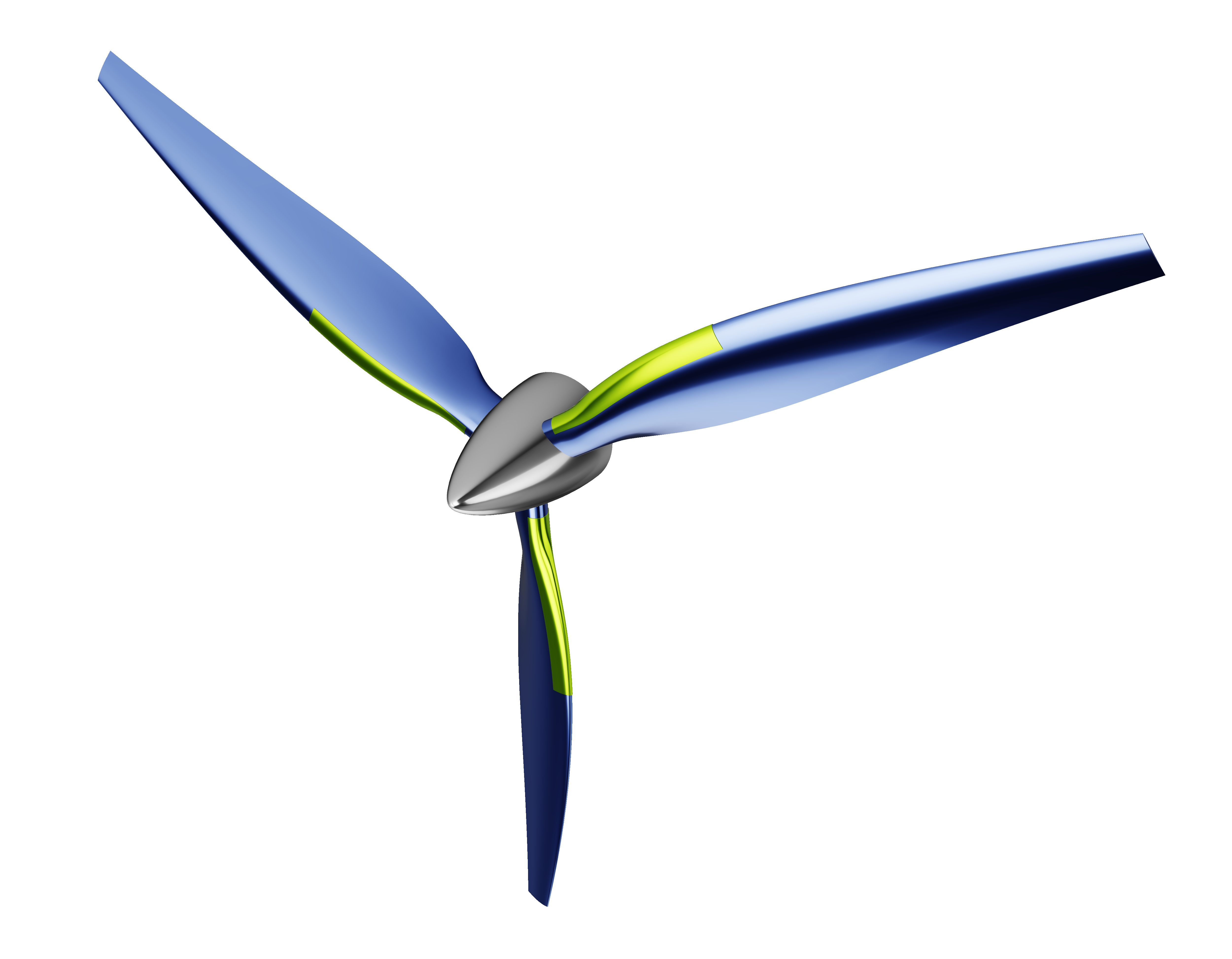
Propeller with anti-icing edge
-
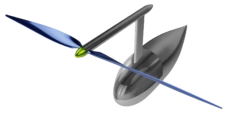
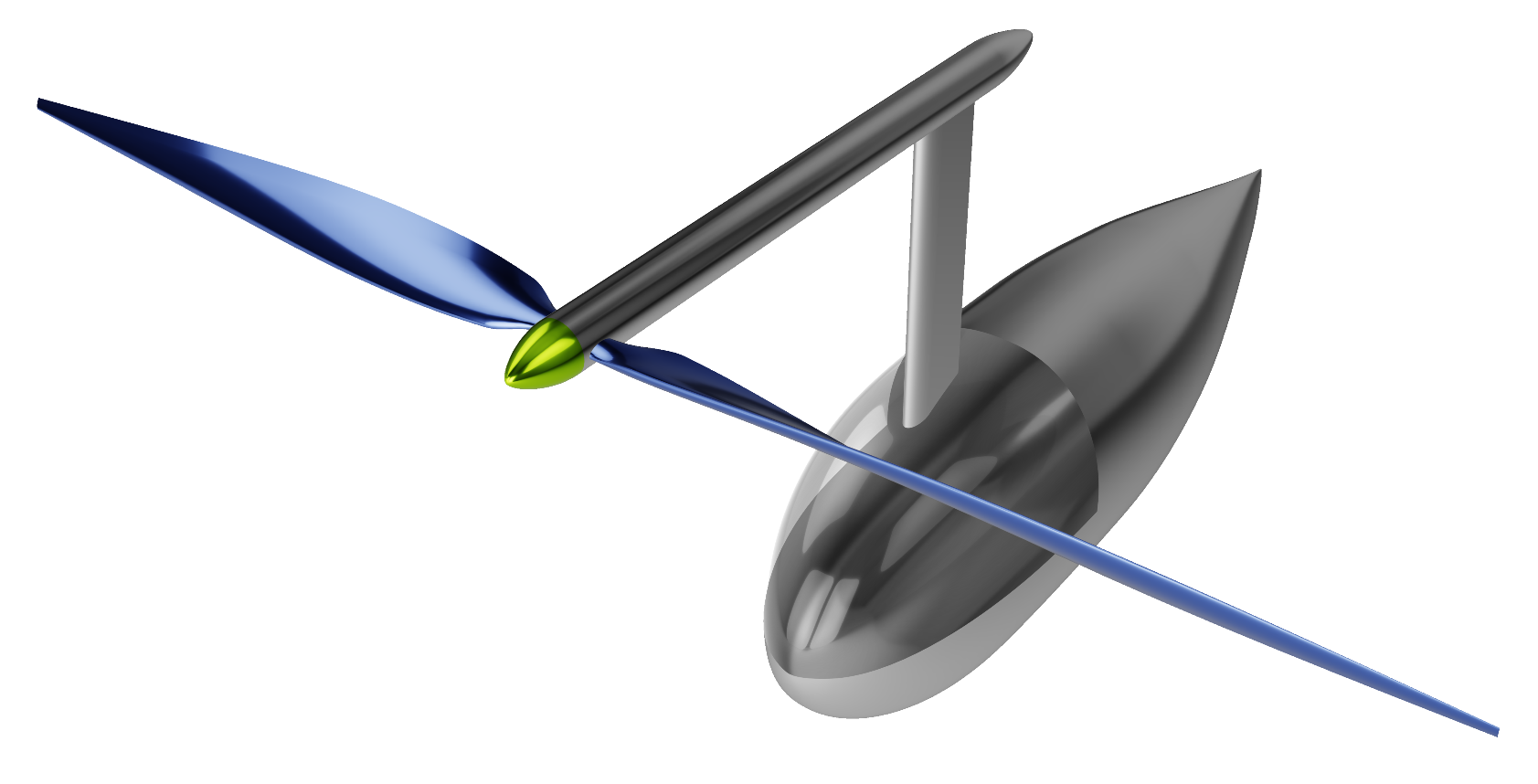
Human powered aircraft
Components
-
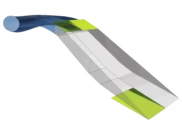
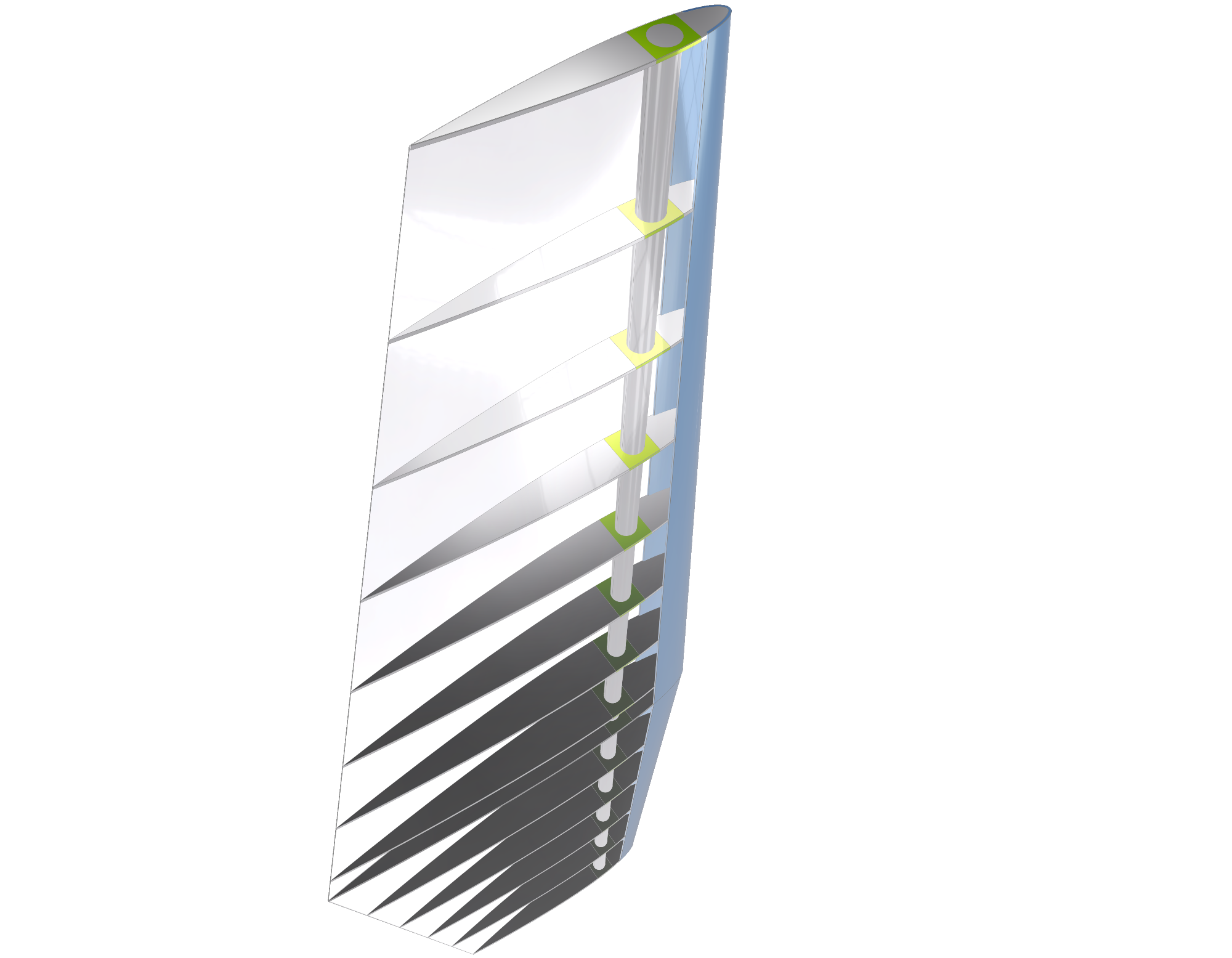
Vertical stabilizer
-
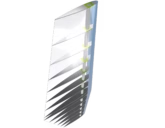
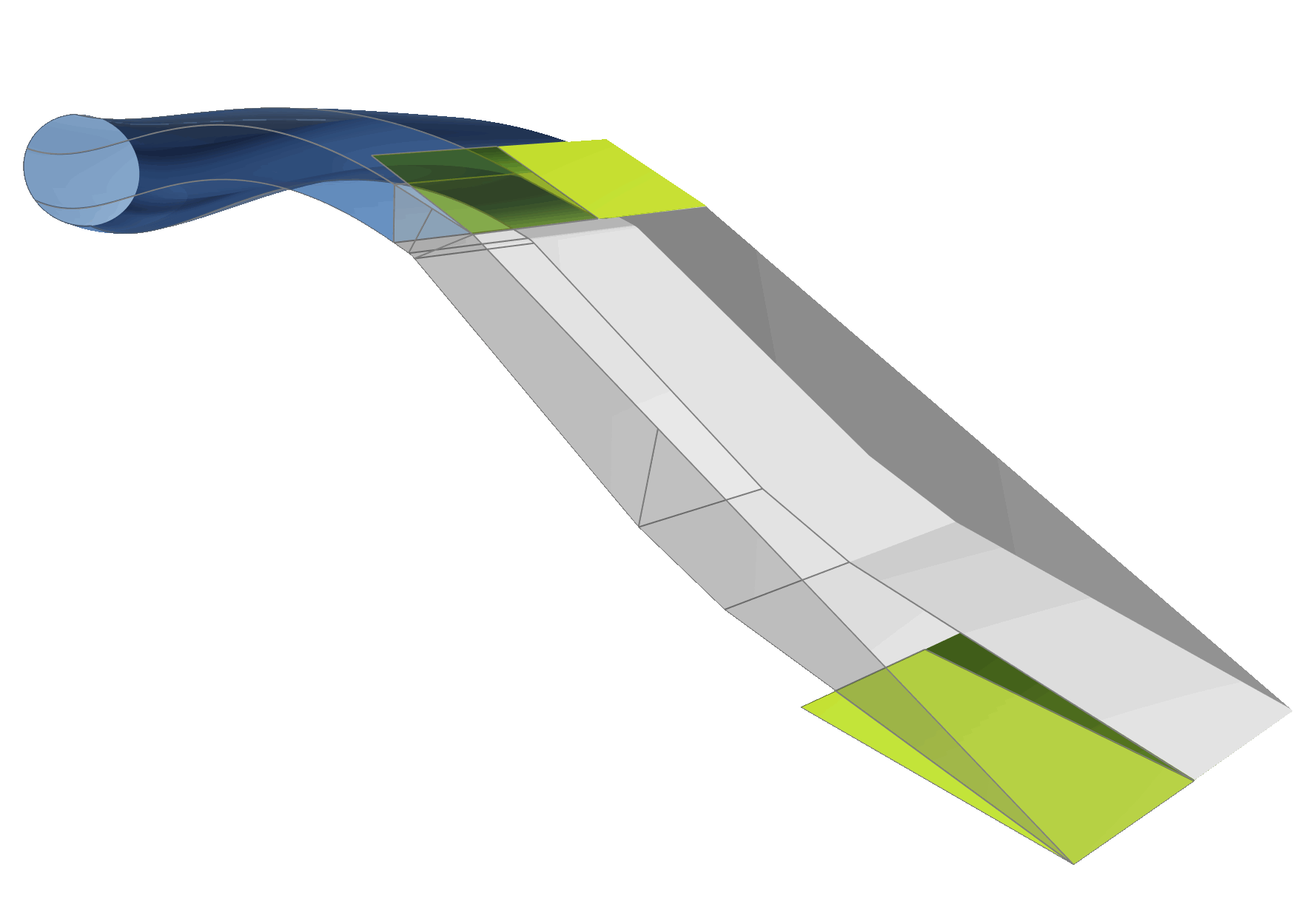
Intake duct
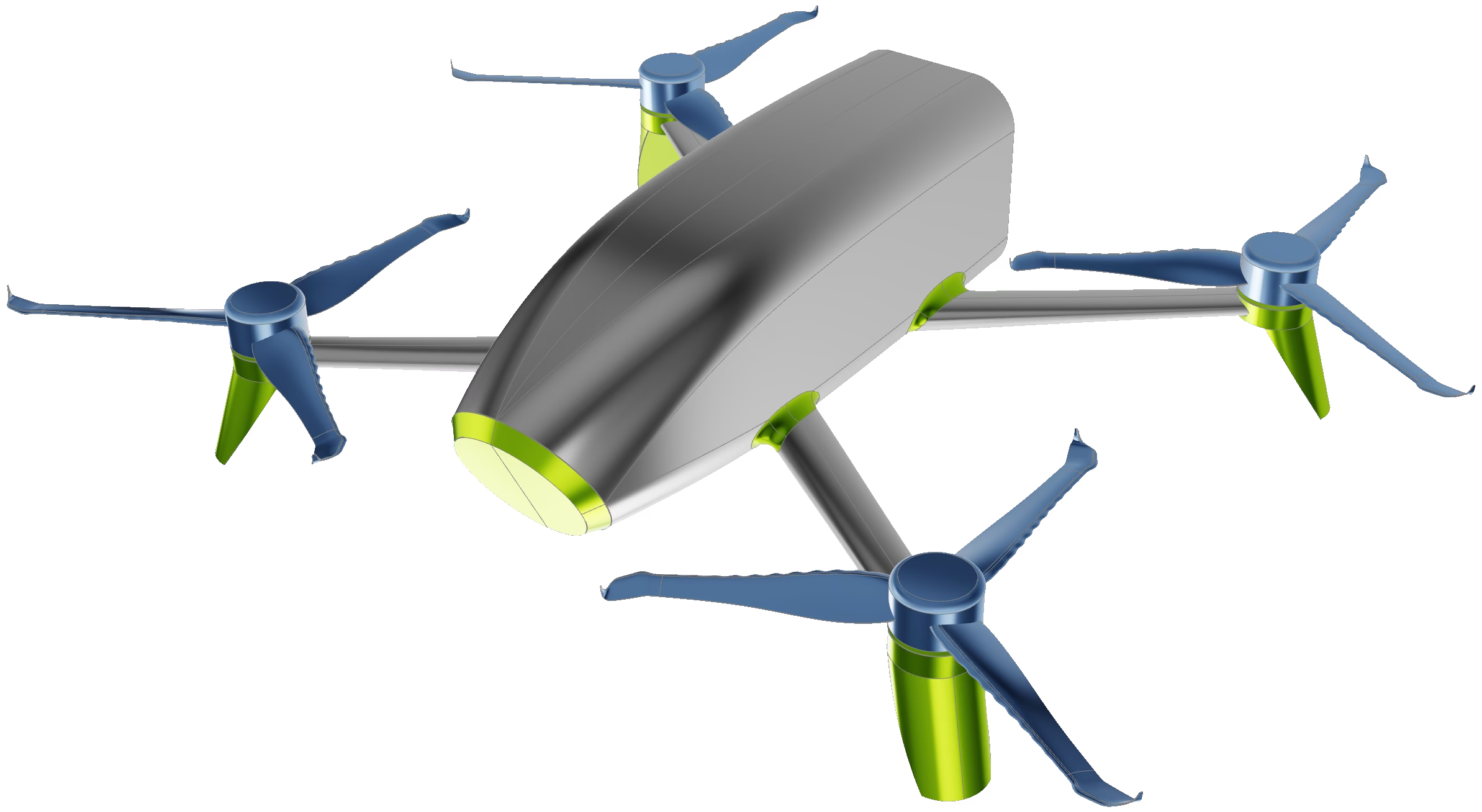
Drones
-
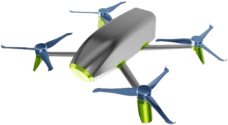
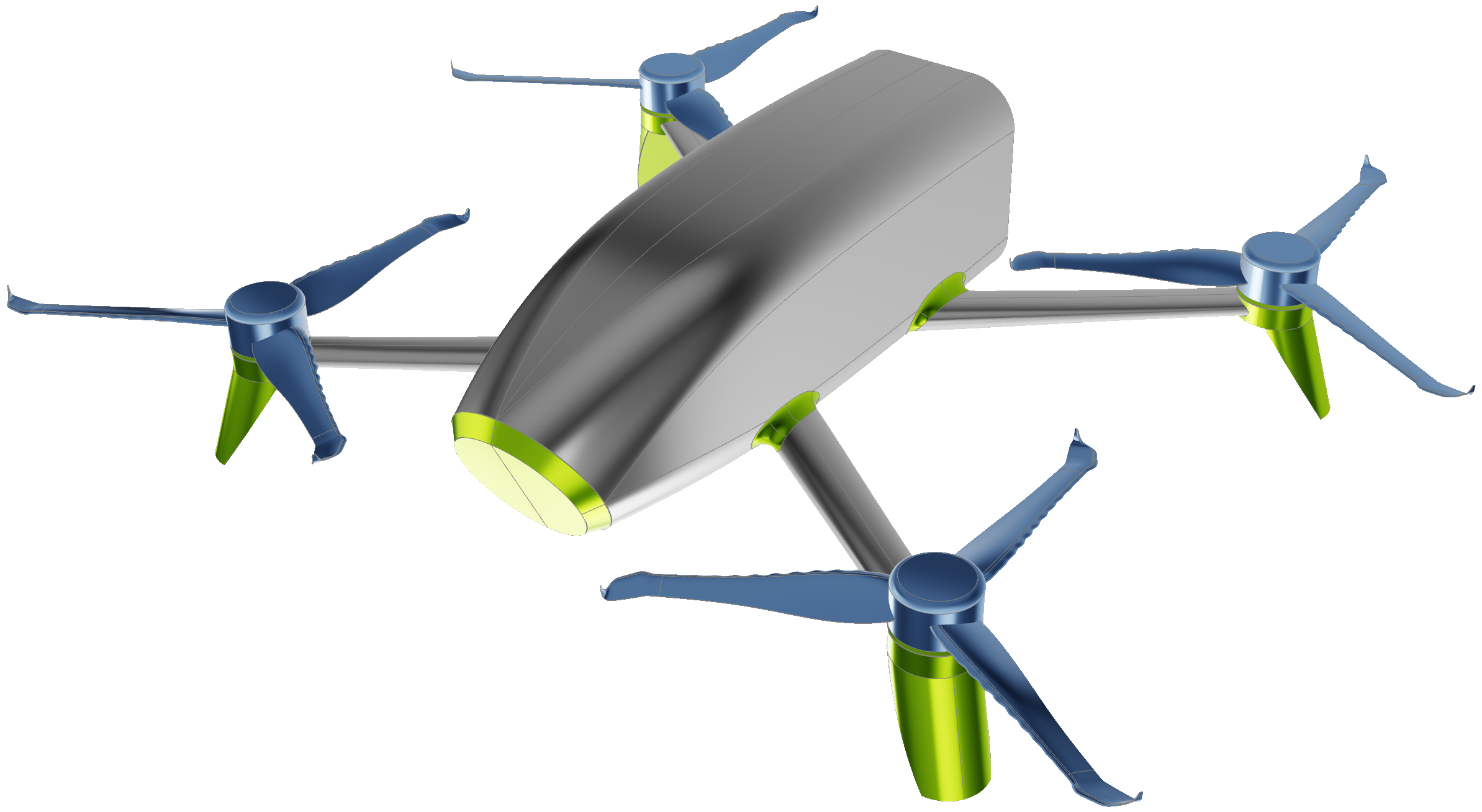
Quadcopter drone with advanced propellers
-
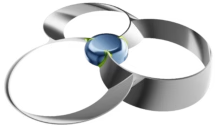
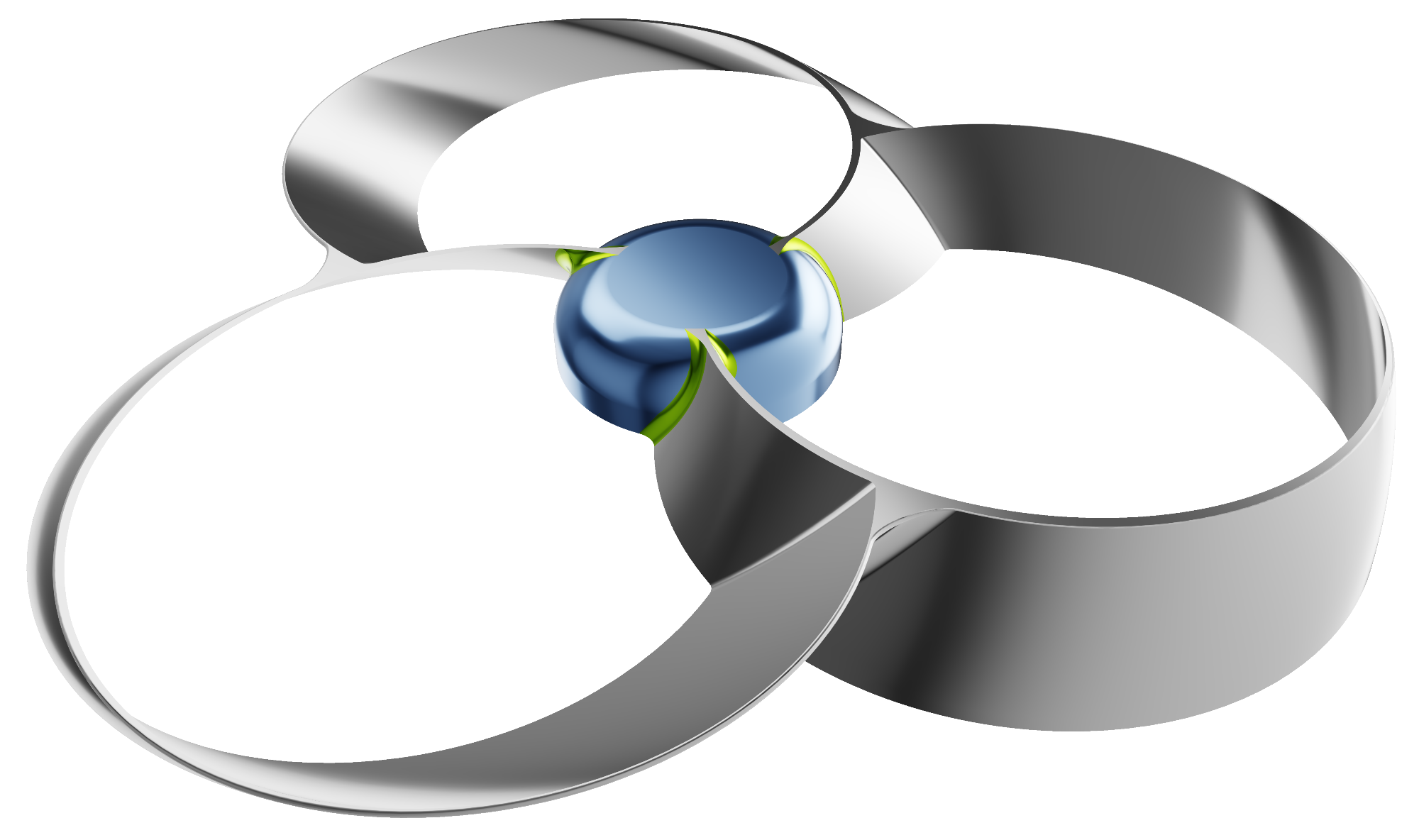
Toroidal propeller
More applications
- Fairings
- Launch vehicle aerodynamics and propulsion
- Electronics cooling
- HVAC
Would you like to discuss your application with us?
Contact usFAQs
How is CAESES used in aerospace engineering?
CAESES supports the optimization of aircraft components such as wings, nacelles, pylons, air intakes, fuselage sections, UAVs, and propulsion systems through automated data- and simulation-driven design.
Can CAESES automate aerodynamic optimization?
Yes. CAESES can automatically generate geometry variants, execute CFD simulations, and identify designs that reduce drag, improve lift, or satisfy multiple aerodynamic objectives.
Is CAESES suitable for UAV and eVTOL development?
Yes. The flexibility of parametric geometry modeling makes CAESES well suited for rapidly evaluating novel aircraft concepts, including drones, UAVs, and eVTOL configurations.