Parametric Design of a F1 Rear Wing
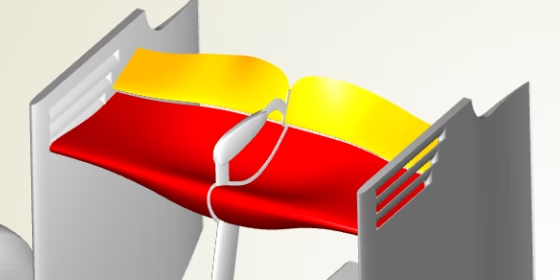
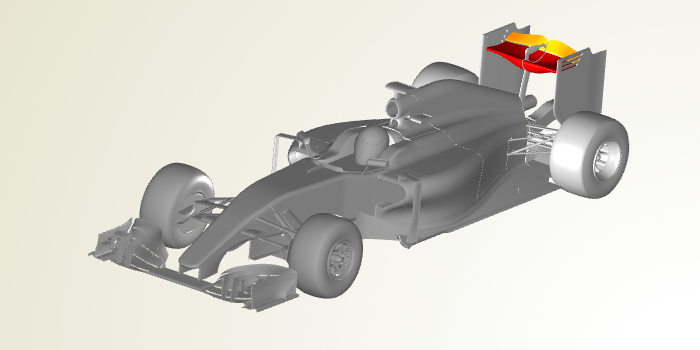
One of our colleagues (who is really crazy about motor sports) currently works on the optimization of a rear wing design for a F1 race car. Basically, he imported the entire car geometry and simply replaced the initial rear wing design by a smart parametric model. And this model is really smart, it has been so much fun to put together the animations of this blog post for you.
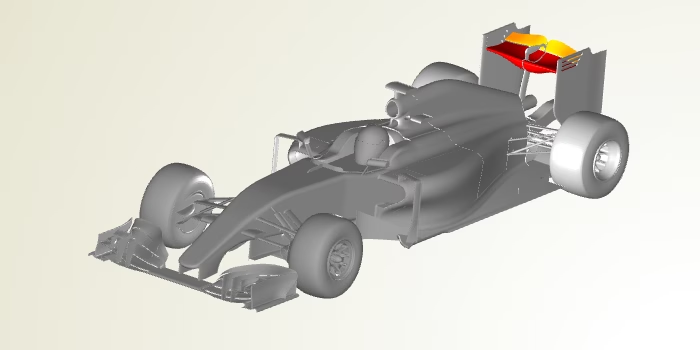
F1 car with rear wing model
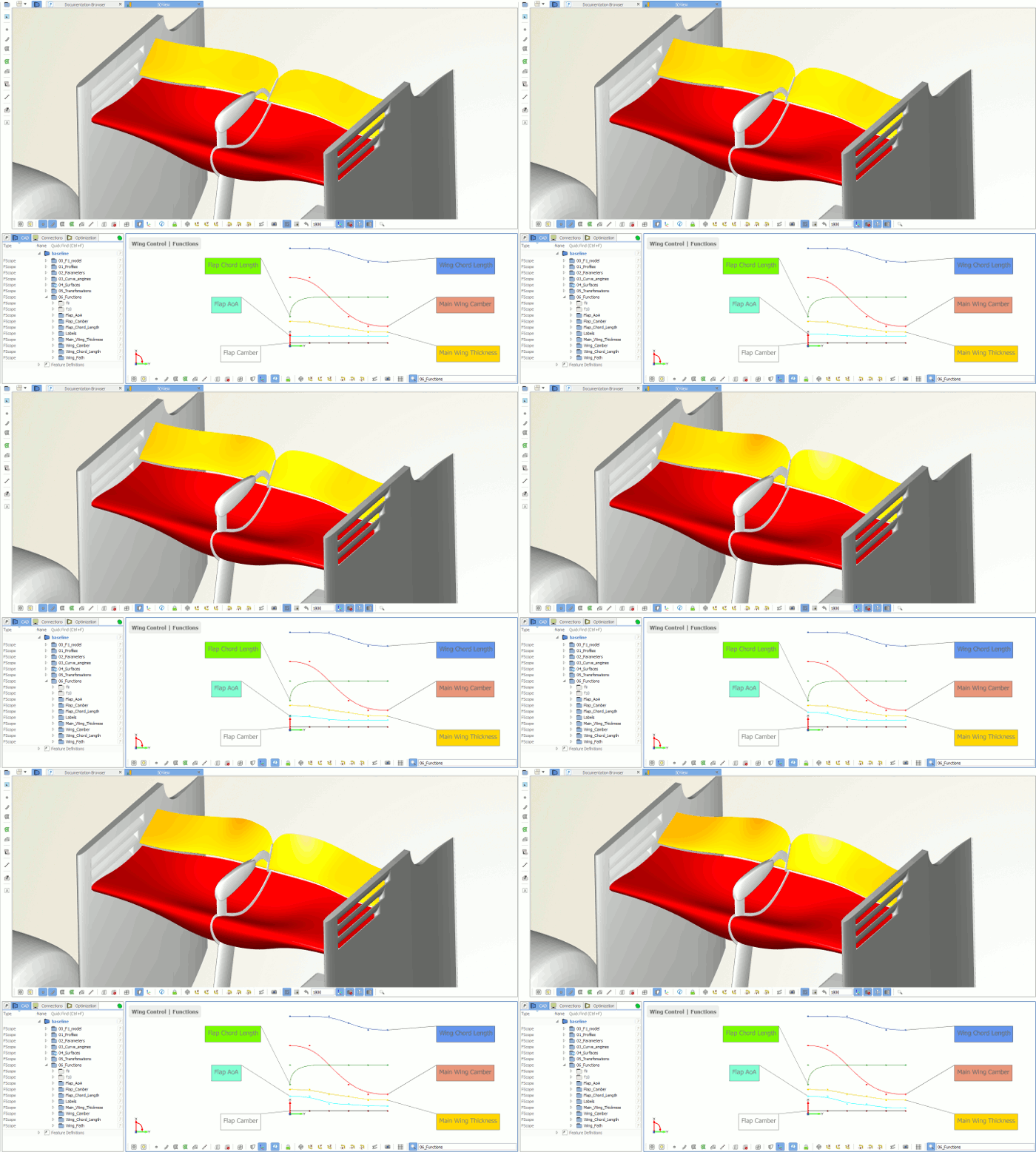
The main wing and the flap get controlled by a set of functions using the advanced meta surface technology. Well, CAESES® users typically automate the shape changes, i.e. these functions get finally varied by optimization algorithms. From the top to the bottom, we have changed only one wing control per animation, before ending up with a nice shape. This makes it easier to understand what’s actually going on. Enjoy!
Click on the animations for a higher resolution.
Camber Distribution
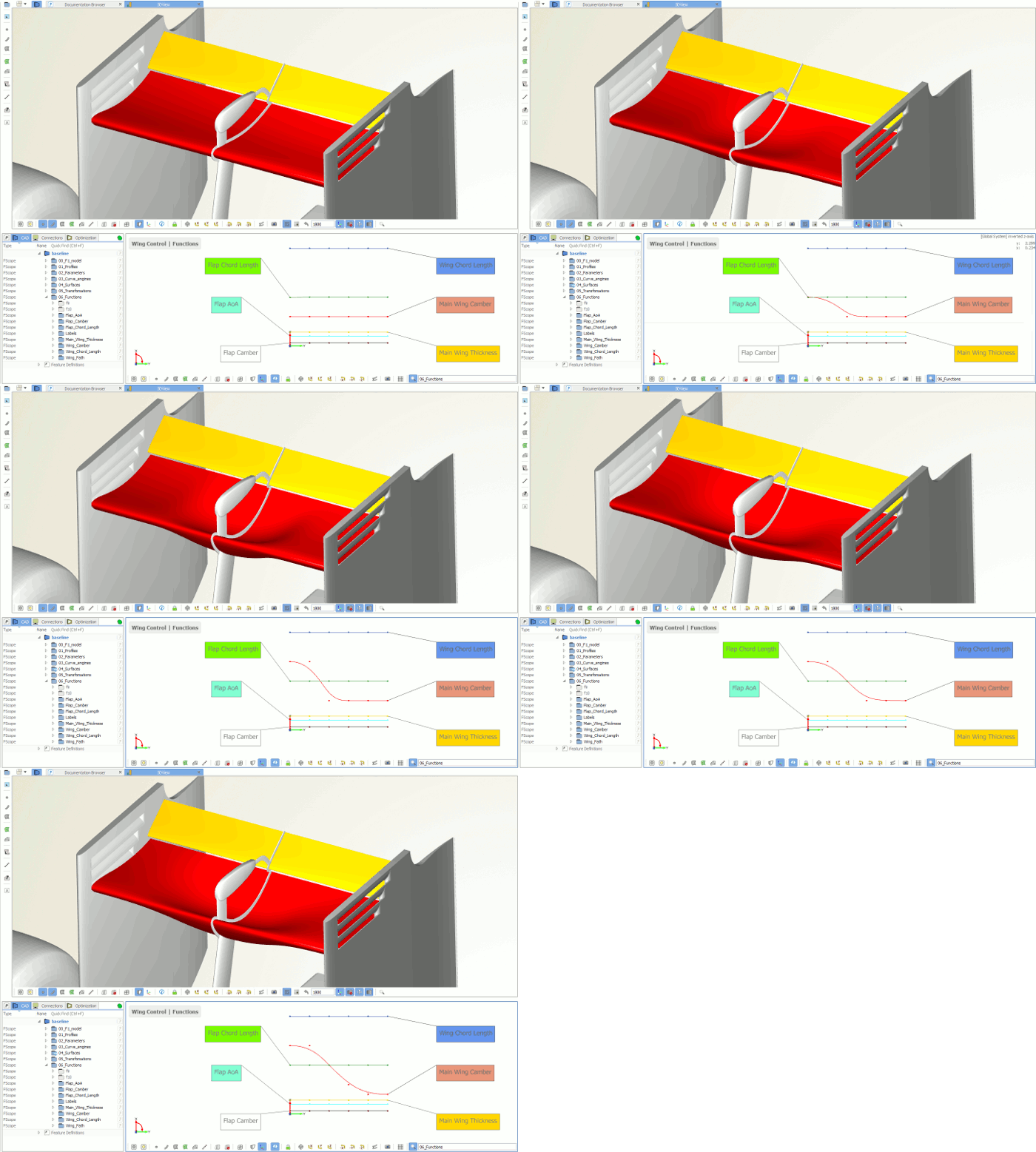
Thickness Distribution
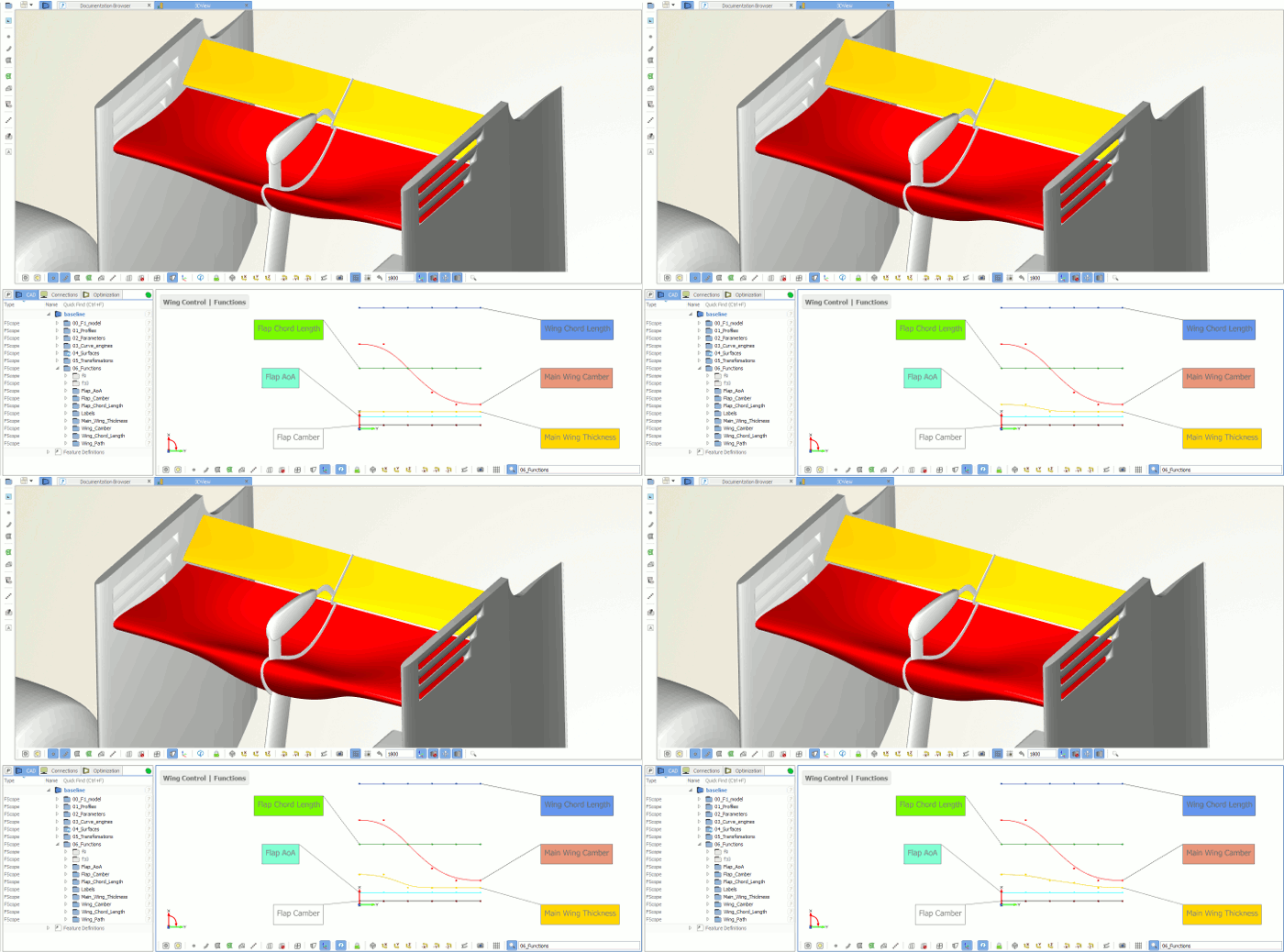
Wing Chord Length
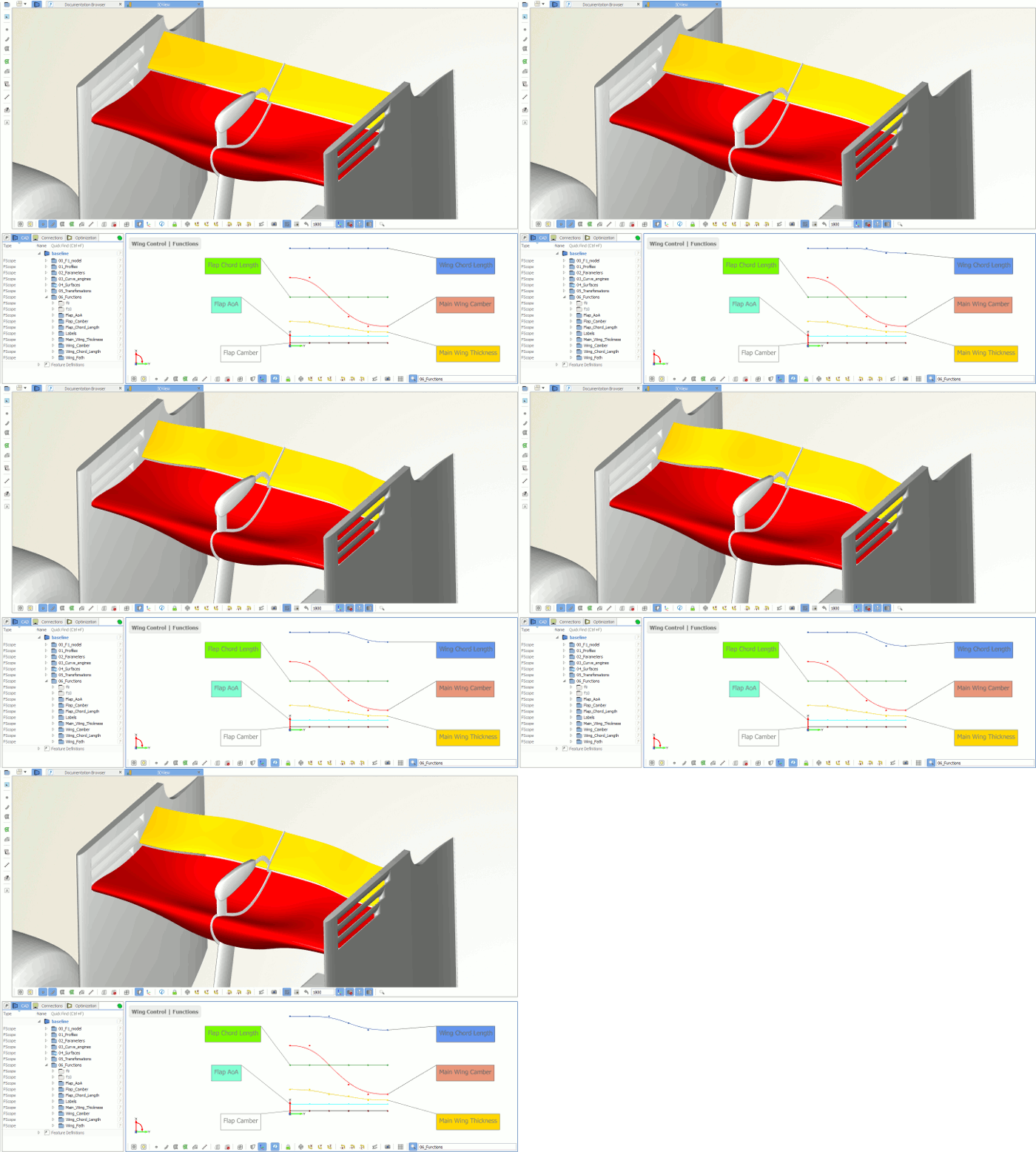
Flap Chord Length
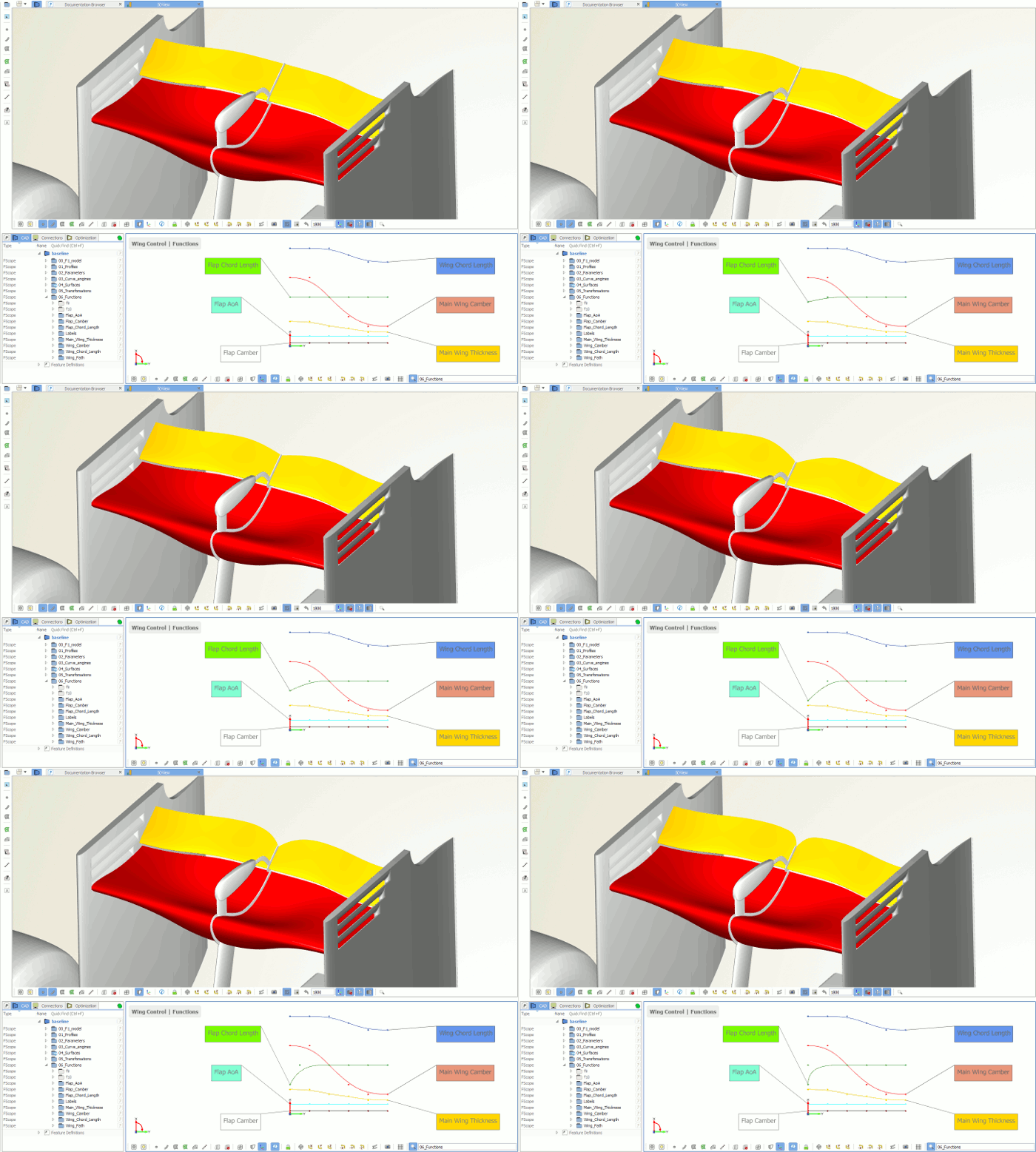
Flap Angle Of Attack
More Information
Interested in trying out CAESES® for your application? Then check out our product pages for all details. See also the article “Aerodynamic Shape Optimization: A Practical Guide” which summarizes CAD modeling, meshing & simulation, as well as optimization issues in the context of aerodynamic shape optimization.
Follow Us
Do you like this post? If you are interested in topics like this and in simulation-driven shape optimization, then sign up for our newsletter. Don’t worry, we won’t bother you with too many emails. Of course, you can unsubscribe at any time.