Thermal management
Design and optimization for thermal management
Create and optimize cooling solutions that enhance heat dissipation, improve reliability, and support higher-performance electronics.
10,000+
Simulation-ready models
Full
Automation
5x
Faster design exploration
Trusted by 150+ organizations in over 30 countries around the world
CAESES design capabilities for thermal applications
Model & morph
Create fully parametric heatsink or fan geometries – or rapidly modify imported geometries using advanced morphing techniques.
Vary & constrain
Generate robust design variations with minimal failures while automatically respecting manufacturing or packaging constraints.
Export & connect
Export geometries in multiple CFD-ready formats and seamlessly connect CAESES with external simulation and calculation tools.
Optimize
Explore and improve designs using integrated DoE, optimization algorithms, data management, and post-processing capabilities.
Integrate
Automate and customize workflows through full scripting support and easy integration with third-party optimizers and tools.
Insight
Leverage advanced analytics and machine learning to uncover trends, accelerate learning, and make data-driven design decisions.
Typical thermal management applications
Heatsinks
-
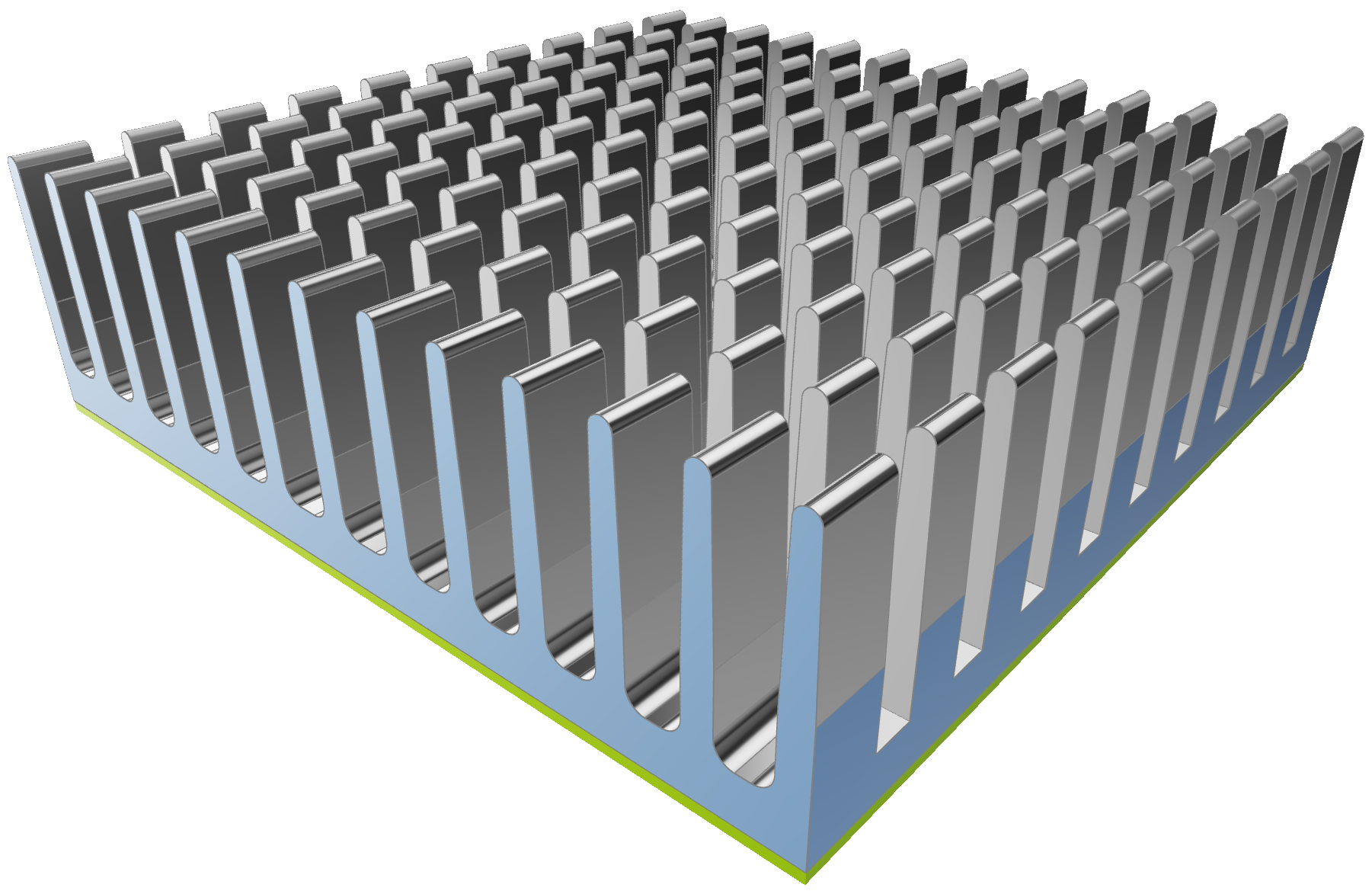
CPU cooler
-
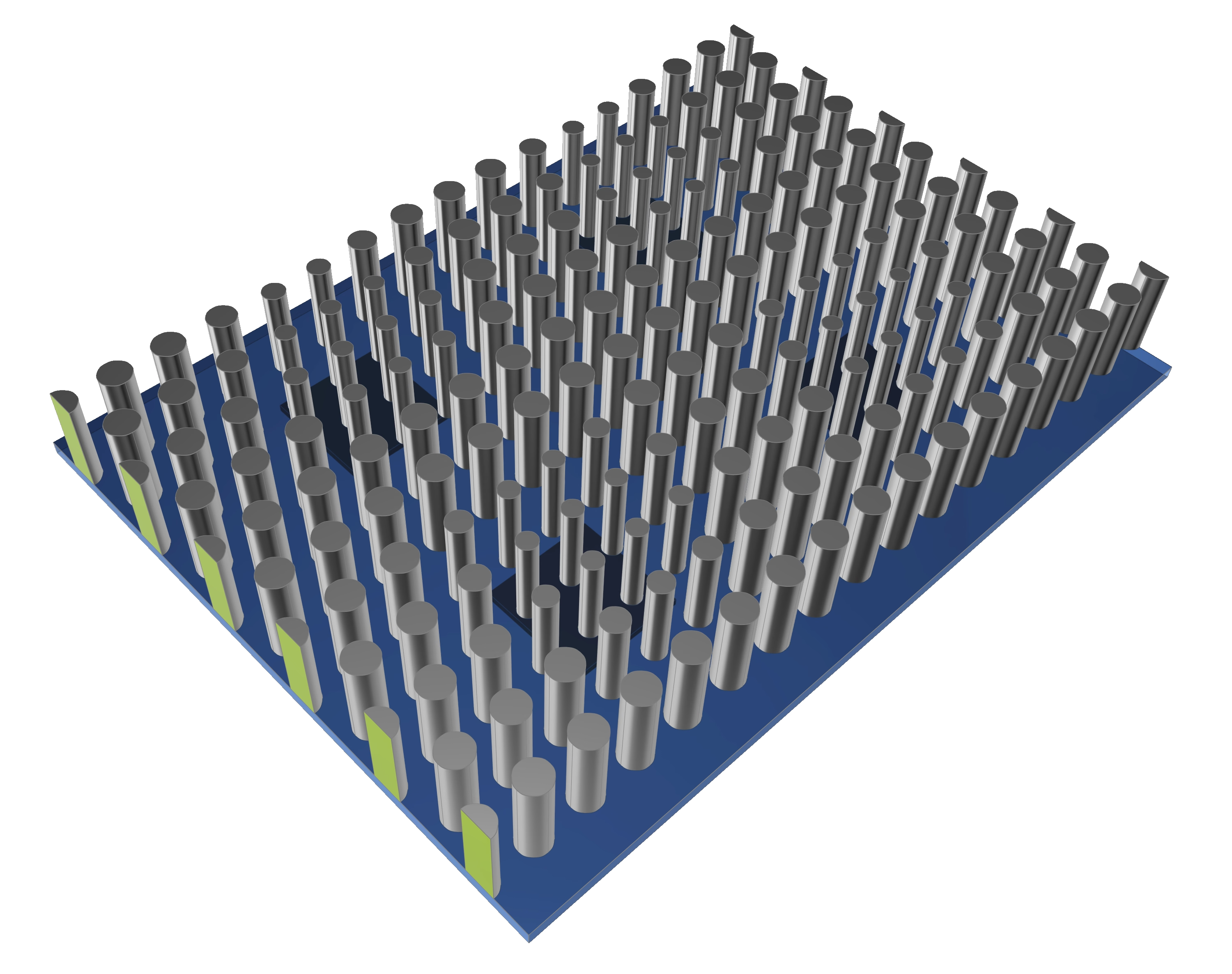
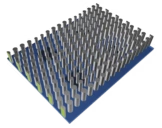
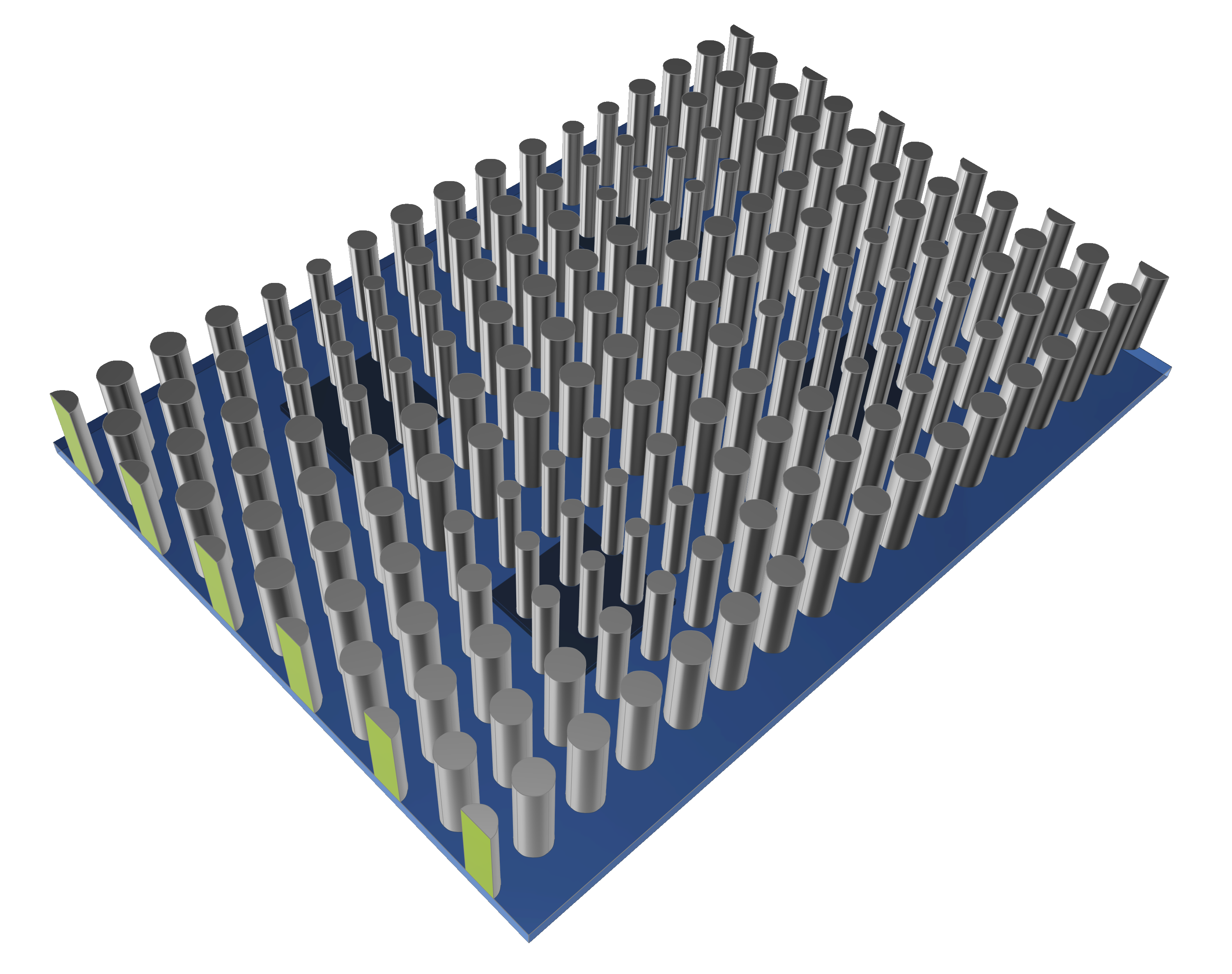
Pin fin heatsink
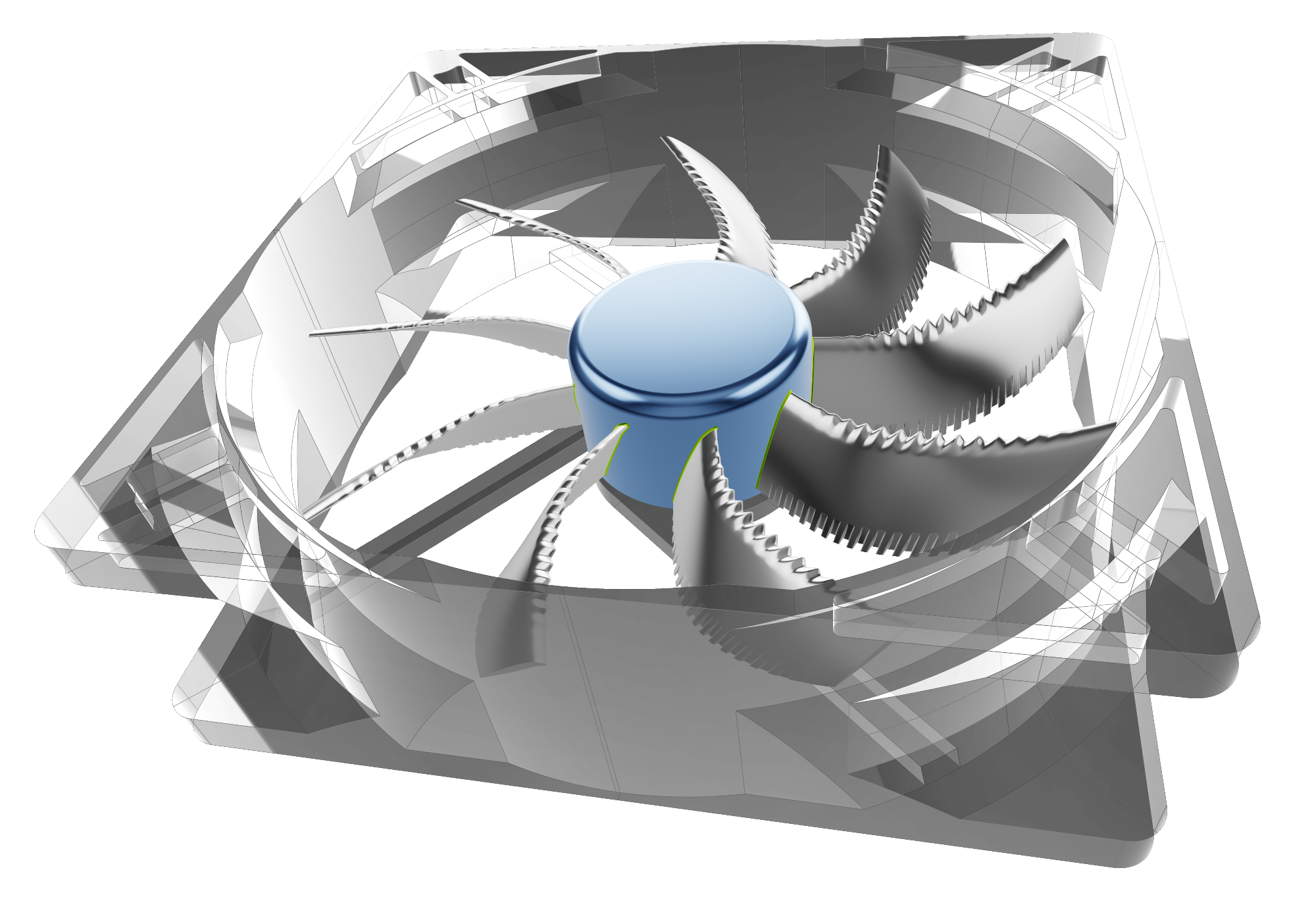
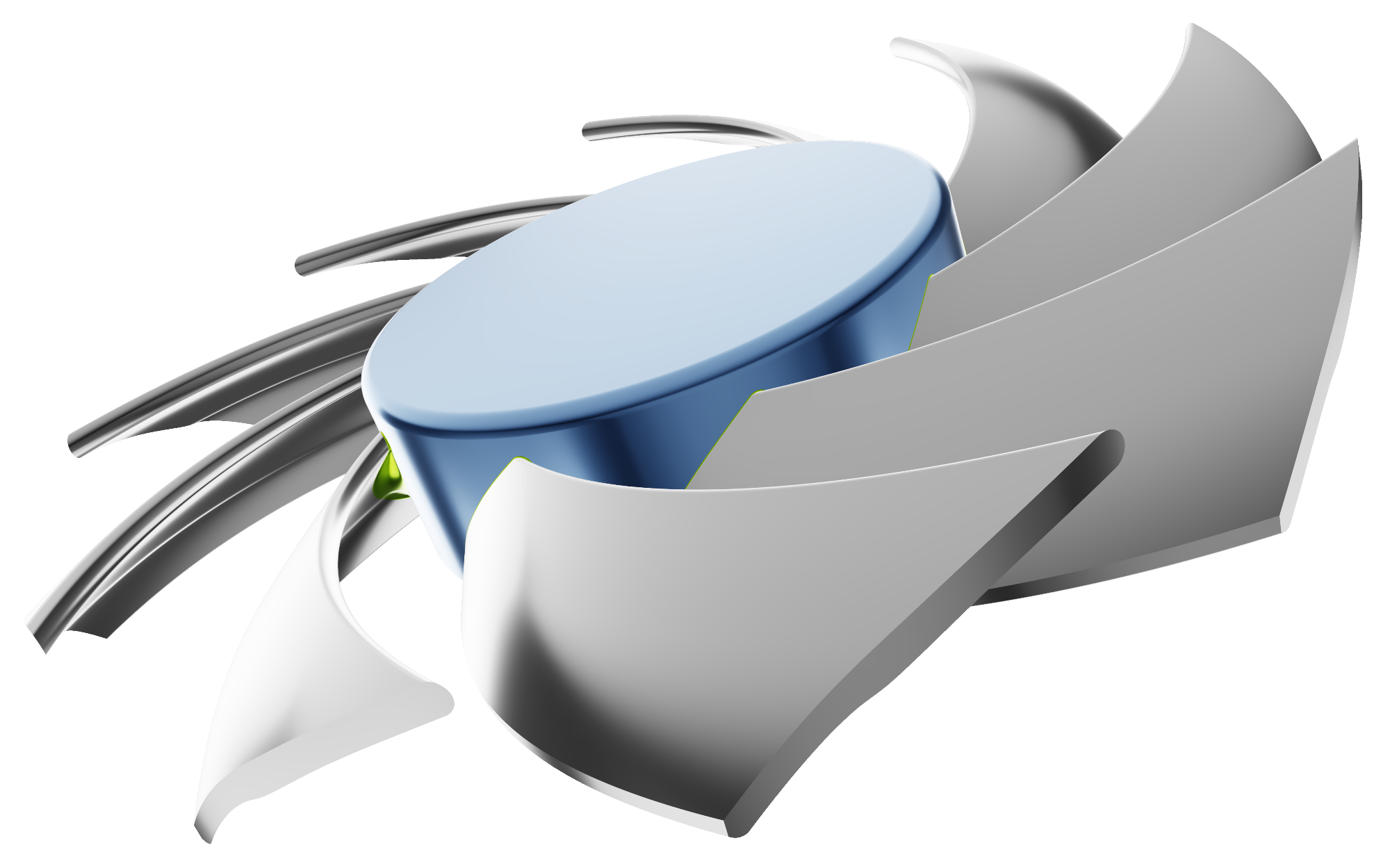
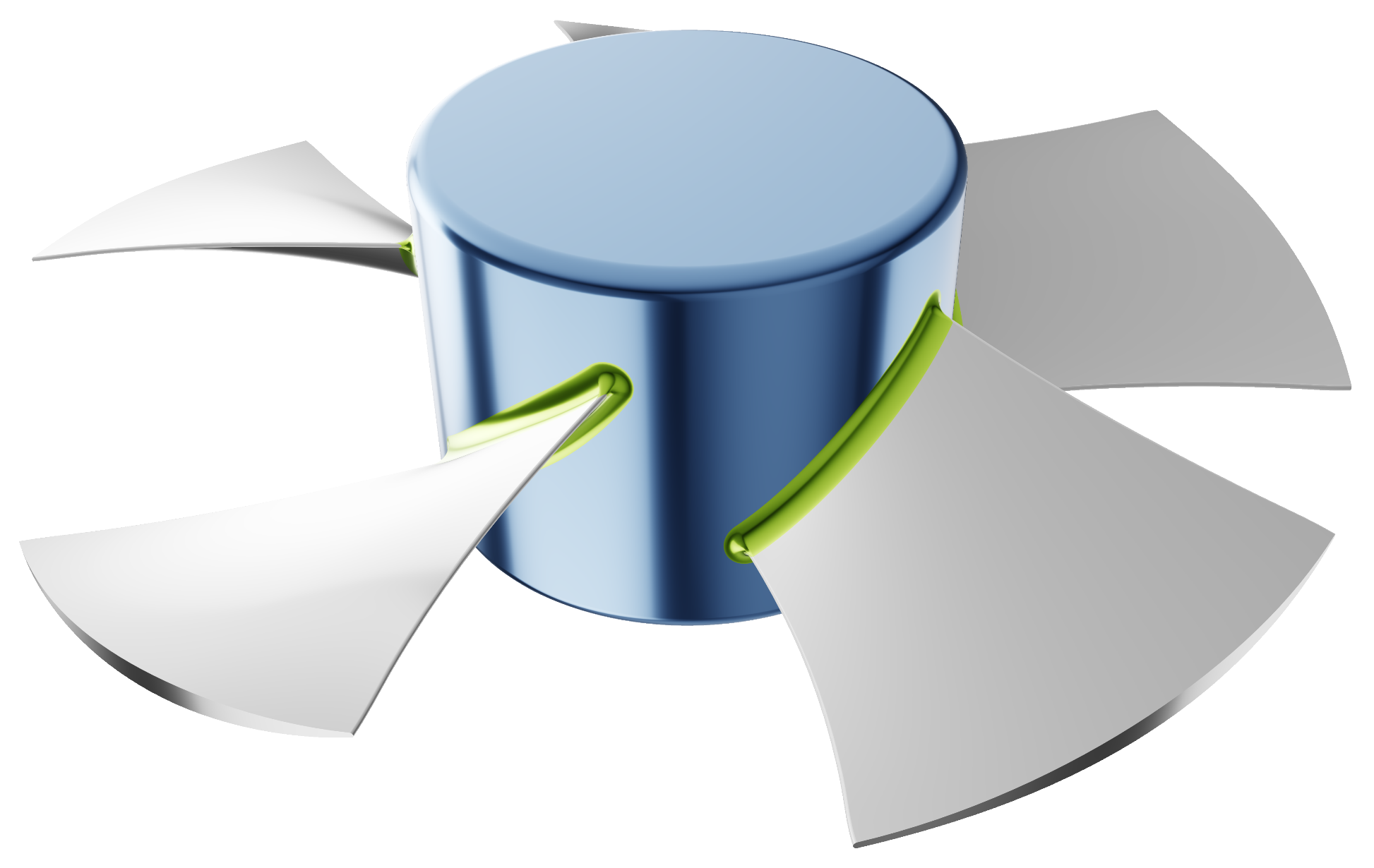
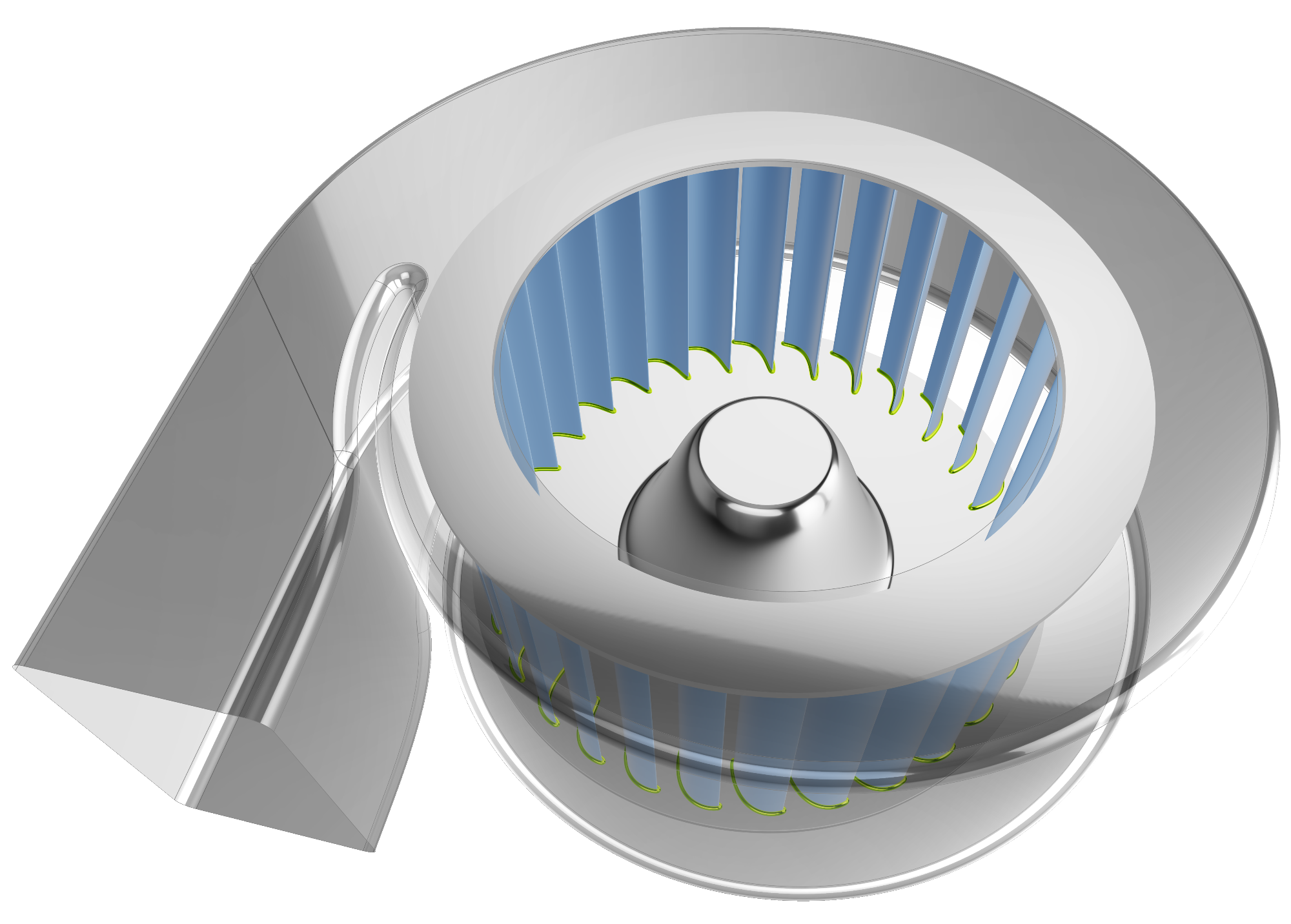
Cooling fans
See details-
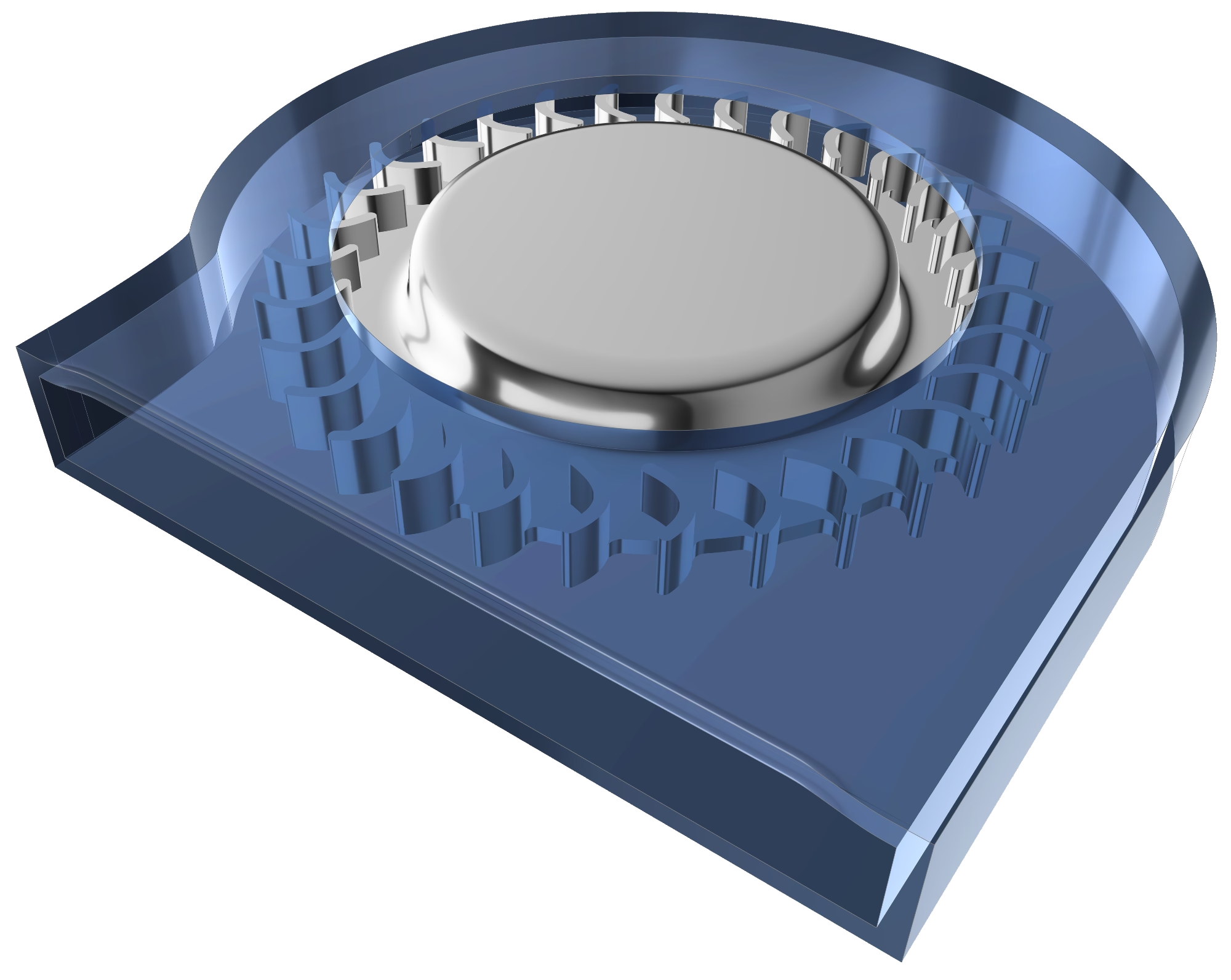
Laptop cooling fan
-
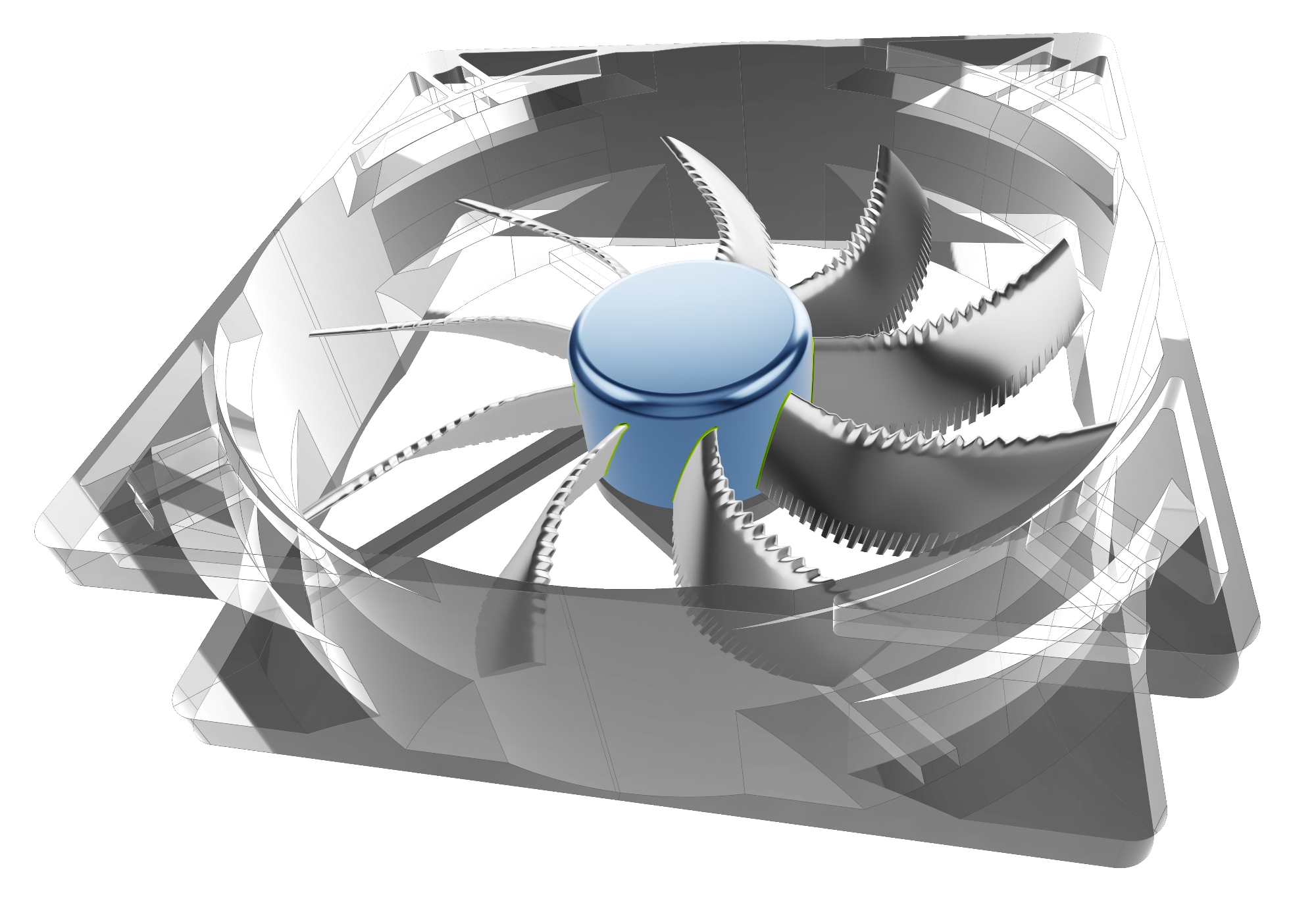
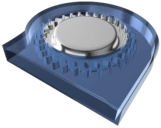
Compact fan with serrations
-
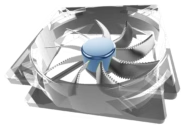
Axial fan with high skew
-
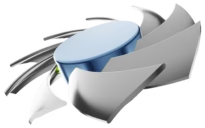
Axial fan
-
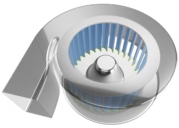
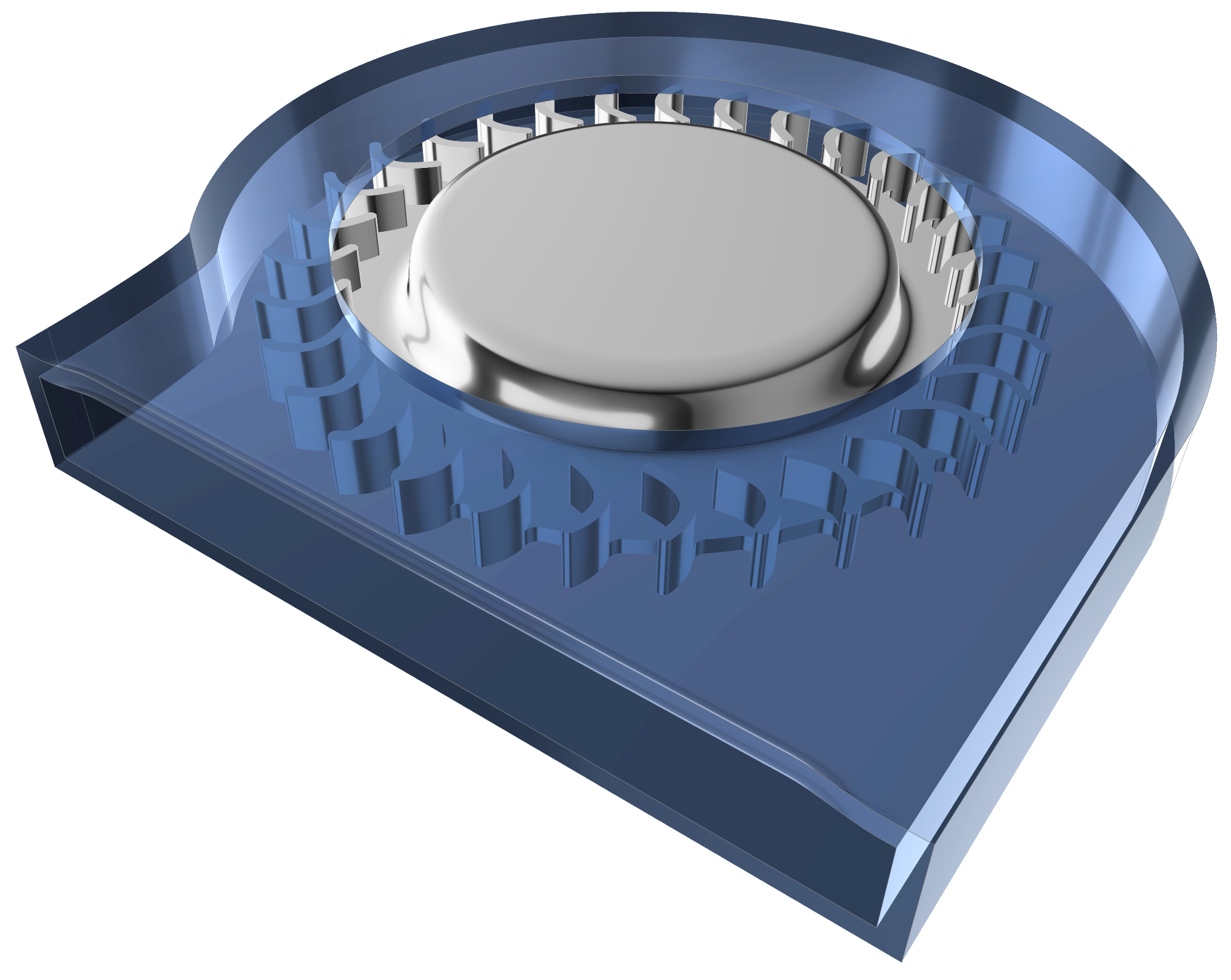
Squirrel cage fan

More applications
- Data center cooling
- Battery cooling
Would you like to discuss your application with us?
Contact usFAQs
How does CAESES improve thermal management system design?
CAESES automates the optimization of cooling channels, heat exchangers, manifolds, battery cooling systems, electronic cooling devices, and other thermally driven components.
Can CAESES be coupled with thermal simulations?
Yes. CAESES integrates with CFD and thermal simulation software to evaluate cooling performance automatically across large numbers of design variants.
Why is parametric geometry important for thermal management?
Efficient thermal performance often depends on subtle geometric changes. Parametric modeling enables engineers to systematically explore these design variations and identify high-performing solutions through automated optimization.